When the Covid 19 pandemic occurred in 2020 health became one of the important things for all mankind, researchers from various parts of the world reported that moringa leaves have antiviral potential which has been proven in vitro tests that moringa leaves are more effective against influenza viruses so that moringa leaves become known again by the people of Indonesia and abroad as an alternative to herbal medicines and herbs. This study is devoted to consumers of moringa leaf processed products. The purpose of this study was to analyze the reasons consumers buy and consume moringa leaf processed products which include sociological, economic, philosophical and medical. The type of research used is qualitative phenomenology-based descriptive, which aims to obtain a comprehensive picture and understanding based on the results of individual experiences on the phenomena that occur. The Data were obtained using Accidental Sampling technique by determining the respondents by chance. Criteria respondents are customers who have purchased and have consumed moringa leaf processed products. The number of respondents in this study is 30 people from consumers of processed moringa leaf products. Data from this study were obtained through observation, interviews and questionnaires. The Data was processed using Miles and Huberman analysis. The results of this study showed that the better a person realizes the importance of maintaining health and maintaining the condition of the body to stay fit, the higher the person's interest in buying and consuming moringa leaf processed products.
Keywords
Consumer Behavior
Moringa Leaves
INTRODUCTION
Indonesia is a country that has diverse natural resources and a vast territory. This makes Indonesia one of the largest agricultural countries in the world, as an agricultural country, of course Indonesia has great potential in agriculture, land area, there are various kinds of Natural Resources and soil fertility levels, of course, make the Indonesian people create various kinds of agricultural products. One of the subsectors that has great potential is the plantation subsector [1]. Plantation crops that can be used or created into a variety of processed products, one of which is moringa.
Moringa plant is known by the whole world as a nutritious plant and has been introduced by the World Health Organization (WHO) as one of the alternative foods to overcome nutritional problems (malnutrition). In addition, moringa is also known as an efficacious medicinal plant by utilizing all parts of the moringa plant ranging from leaves, bark, seeds, to roots. However, the use of moringa in Indonesia itself is still limited, such as only as a complement to everyday cooking and being a hedge plant [2]. Even though moringa leaves have many benefits for the health of the body because it contains 46 powerful antioxidants, namely compounds that can protect the body against the damaging effects of free radicals by neutralizing them before they can cause cell damage and disease [3].
During the Covid-19 pandemic in 2020, health became one of the important things for all of humanity. Researchers from different parts of the world have reported that the moringa plant in particular its leaves have antiviral potential [4]. This makes the moringa plant known again by the people of Indonesia and abroad as an alternative to herbal medicines and herbs, considering the content in selenium and iron is considered able to increase the body's immunity and stamina so that it is not easily exposed to the Covid-19 virus.
This problem arises from the rise of people who make purchases of moringa leaf processed products during the Covid-19 pandemic, those who buy whether they really make health a reason to buy and consume moringa leaf processed products or just follow along because they know that moringa leaves are believed to be able to ward off Covid-19 disease. This study aims to thoroughly uncover the underlying reasons consumers in the activity of buying and consuming processed products moringa leaves. This study wanted to show the sociological, economic, philosophical and medical reasons consumers make purchases. This research contribution is then used as additional literature for subsequent researchers who examine the same problem and provide a deep understanding of why consumers buy and consume moringa leaf processed products.
MATERIALS AND METHODS
This research was conducted in Griyanesia located in Merboulevard shophouse Complex, Jalan Raya Pandugo No. 26 Penjaringan Sari, Rungkut District, Surabaya City, East Java. The type of research used in this study is qualitatively based on phenomenology. Qualitative research aims to obtain a deep repression and a thorough understanding derived from the natural situation of the phenomenon under study. While the phenomenological approach aims to reduce the individual experience of the phenomenon that occurs into a description and how the individual experiences it [5]. This study uses a phenomenological approach because it deals with the behavior, perspective and reasons of the individual as the subject of research.
Respondents in this study are consumers of moringa leaf processed products with the criteria respondents are customers who have purchased and have consumed moringa leaf processed products with a minimum purchase of moringa leaf processed products. The sampling technique used is accidental sampling, which is the determination of the sample based on chance, anyone who happens to meet the researcher and according to the criteria of the respondents can be sampled [6] and the number of samples used as many as 30 respondents from consumers who come to Griyanesia to represent an unknown population.
Data sources used come from primary data and secondary data. Primary data collection techniques include observation, interviews and questionnaires. While the source of data derived from secondary data comes from previous data journals, the internet and books related to the research topic. Measurement variables used are likert scale, likert scale is a scale that can be used to measure attitudes, opinions and perceptions of a person about a social phenomenon [7]. The Data were analyzed using Miles and Huberman model analysis. According to the study, qualitative research data analysis activities include data reduction, data display and withdrawal/verification of conclusions. Test the validity of the data used in this study is the test of validity following the theory of Moleong.
This study raises several reasons that are the focus of research, including sociological, economic, philosophical and medical reasons. On this indicator of sociological grounds include the views of society, traditions and recommendations. Meanwhile, indicators of economic reasons include product prices, product availability and product usability. Furthermore, indicators of philosophical reason include science beliefs, product beliefs and desires. As well as on medical grounds indicators include product benefits, Product Effectiveness and Product Safety. The results of the analysis of each reason indicator, then used to determine how much these indicators affect the purchasing decision of moringa leaf processed products.
RESULTS
Sociological Reasons
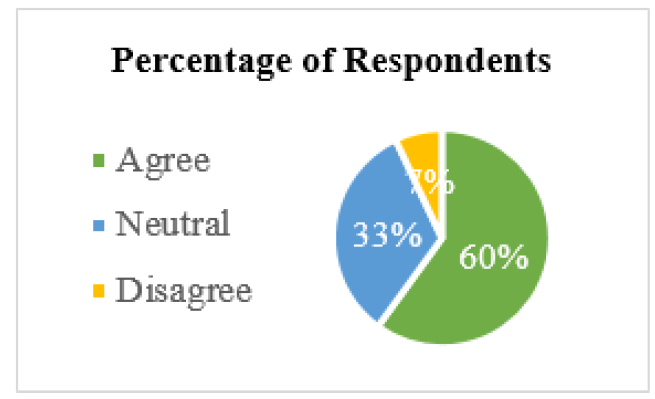
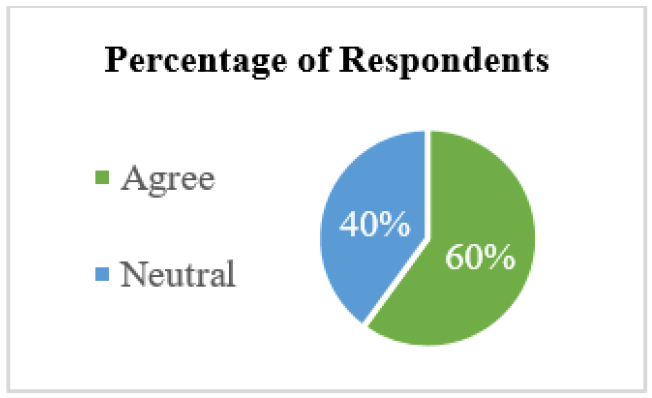
Based on the results of research in Figure 1, shows that as many as 60% of respondents strongly agree that the first sociological reason in purchasing decisions on moringa leaf processed products is because moringa leaves are widely known by the public. Here are statements from consumers regarding this:
“I bought this moringa product because it was so well known to the public, so I dared to try eating moringa leaf products.”
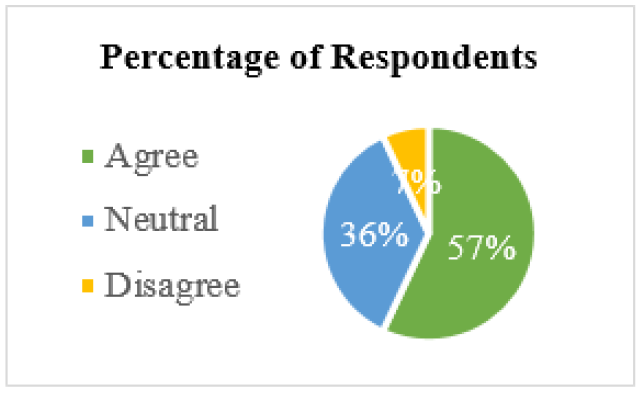
The reason the majority of consumers in buying and consuming processed products moringa leaves because moringa leaves are widely known among the people who are rich in benefits and usefulness. This is based on the Ministry of Health which at the time of the Covid-19 phenomenon recommends consuming herbal products, one of which is moringa leaves to maintain health and endurance, so that consumer interest in herbal products increases in time because it is related to the concept of back to nature. This is in line with research from Pradana et al., [8], according to him, brand image with indicators known by the wider community influences consumers in purchasing decisions, because a product with a trusted brand image provides a greater sense of security when using the product. Meanwhile, 7% of respondents did not agree with this reason, because they felt that moringa leaves were not a new thing in the community. Here are statements from consumers regarding this:
“From the first moringa leaves have become my daily vegetables in the village, every day I can consume.”
Other consumers disagree with this reason, because it is known that consumers have been consuming moringa leaves since before the boom due to the Covid-19 phenomenon, although at that time there were not many innovations in moringa leaf processed products.
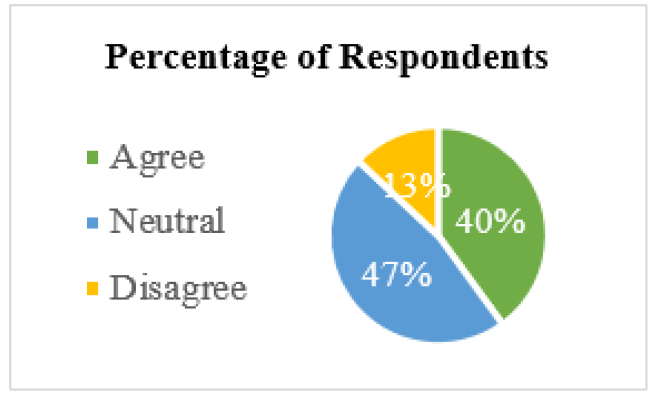
Furthermore, on traditional indicators, as many as 40% of consumers use the reason if they are familiar with the taste of moringa leaves because previous consumers already know the taste of moringa leaves, especially when moringa leaves have become processed products, the taste of the famous bitter moringa leaves will certainly be reduced because it has been mixed with other additional ingredients. The reasons are stated in the following statement:
“I follow the recommendations of my family because in my family moringa is always used to cure diseases, I think the taste given by moringa products is also good for consumption”
Figure 1: Distribution of Views of Society
Source: Processed Data (2023)
Figure 2: Distribution of Tradition
Source: Processed Data (2023)
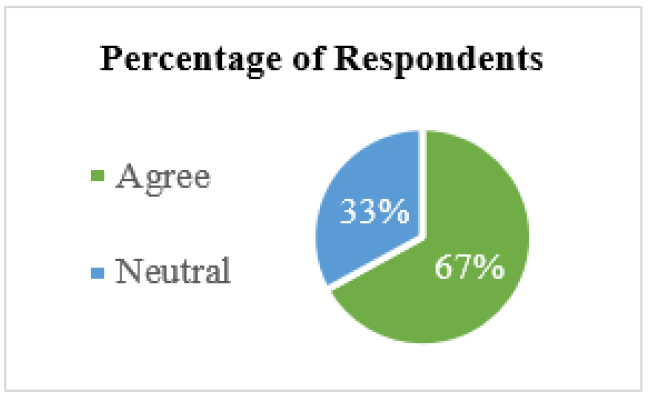
Figure 3: Distribution of Recommendations
Source: Processed Data (2023)
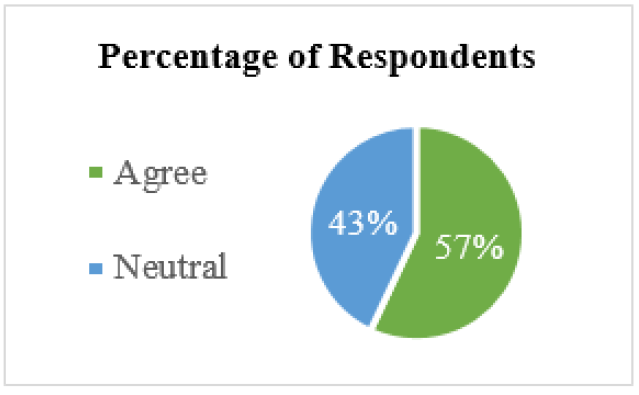
Figure 4: Distribution of Product Prices
Source: Processed Data (2023)
Conditions like the above are in line with Ibadurrahman and Hafid's research [9], which states that if the taste of a product that consumers like or is in accordance with their taste, it will lead to a purchase decision, which means that the more the taste that matches the consumer's taste, the more the consumer's buying interest will increase. Unlike the case with 13% of consumers who disagree with these reasons, as in the following consumer statements:
“Overall I buy and consume moringa leaf products out of curiosity and also many people have recommended it, even though it doesn't taste so good.”
Consumers as above use curiosity as the reason, this is in line with research from Yahmini [10], that buying a product without a prior planning stage usually arises because it is influenced by curiosity and mood, the store environment, displays and promotions offered, meaning that consumers are easily affected by the environment and their curiosity is very high.
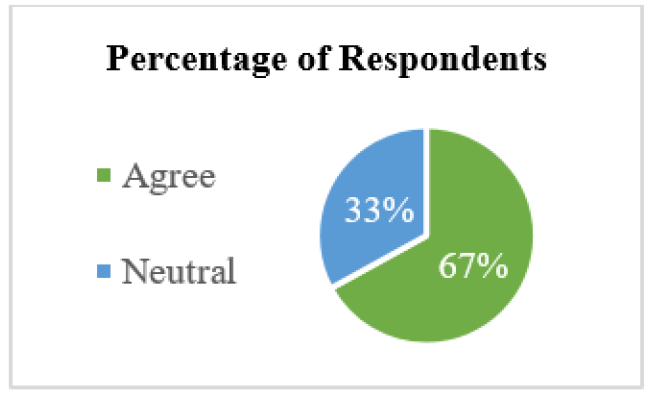
While on the recommendation indicator, as many as 67% of consumers said that the recommendation of relatives and family is an effective way to get to know moringa leaf processed products because it gives more confidence, people who recommend Of course have also tried the product first in order to give the impression to the recommended person. This is conveyed by the following consumer statements:
“I choose moringa leaf products because they are often passed on in several media such as social media and also I get recommendations from relatives which I then feel are suitable for continuous consumption.”
This is in line with Firdausa's [11], research that recommendation systems can influence consumer decision-making such as informing consumers about products they do not know thus recommendation systems can increase the probability of consumers purchasing these products. In addition, according to the results of the study Lau et al., [12], it is stated that if a family consumes herbal products, their sons and daughters will also tend to consume herbal products.
Meanwhile, the rest of the consumers from the three indicators above the consumers who consider neutral decided not to answer or not to give specific reasons for their choice on every sociological reason, because consumers have set their own main reasons for buying and consuming moringa leaf processed products, namely because they have felt the benefits and benefits obtained. This is in line with the research of Namira [13], that the benefits provided from a product will affect consumer purchasing decisions, especially if consumers who have the characteristics of buying the product are true because of the benefits offered, maybe after the purchase consumers only consider other attributes as bonuses they get.
Economic Reasons
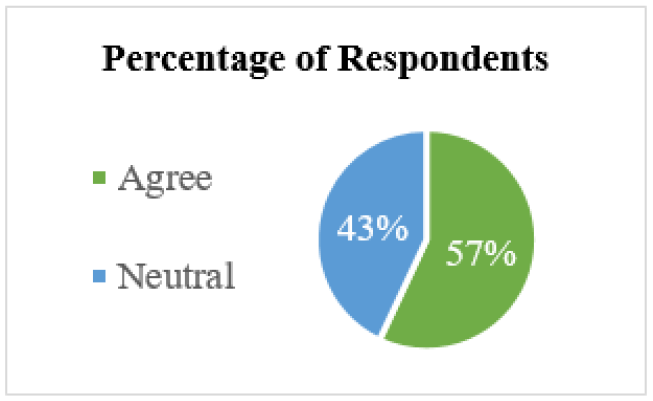
Based On Figure 4, On product price indicators show as many as 57% of consumers agree that the reason for buying and consuming moringa leaf processed products is also due to the relatively affordable price of moringa leaf processed products from various walks of life. Product prices are always a consideration for consumers in every purchase of a product, because not all consumers have high incomes. This is in line with the opinion of Kotler and Armstrong [14], that prices affect consumer decisions in making purchases, the higher the price, the lower the purchase decision and vice versa, the lower the price, the higher the purchase decision. The reasons are supported by the following consumer statements:
"The price of processed moringa leaves is relatively inexpensive and has many benefits”
Figure 5: Distribution of Product Availability
Source: Processed Data (2023)
Figure 6: Distribution of Product Usability
Source: Processed Data (2023)
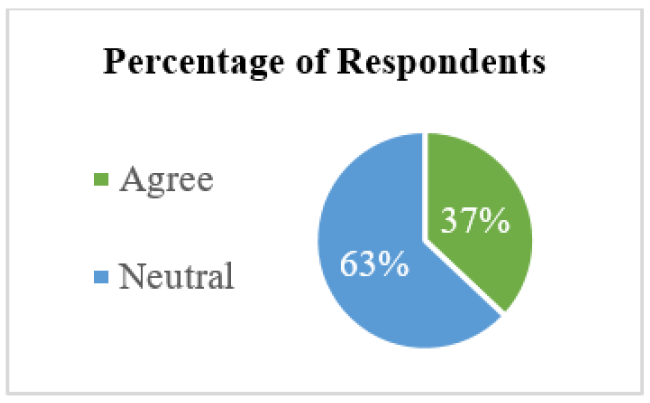
Figure 7: Distribution of Science Beliefs
Source: Processed Data (2023)
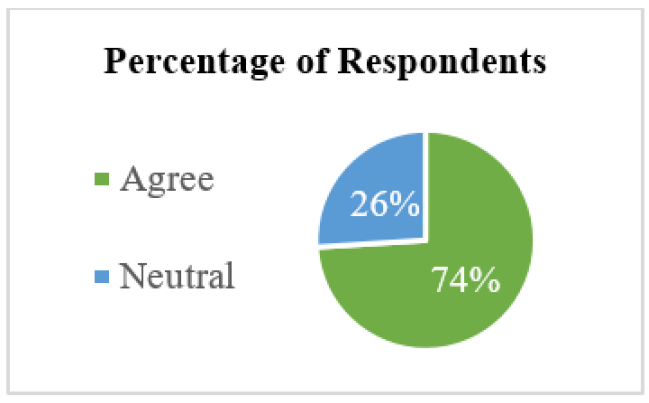
Figure 8: Distribution of Product Trust
Source: Processed Data (2023)
There are also consumers who think that the price of moringa leaf processed products can adjust their economic capabilities. This is stated in the following statement:
“I buy moringa leaf products because the price can choose according to ability and the results are quite balanced.”
The two consumer perceptions above represent the overall reason consumers also agree that the price of moringa leaf processed products is not expensive and still affordable. Although 43% of respondents who were neutral on the reason, consumers felt that they did not really care about the price, because as long as the product was profitable, consumers would still be satisfied. This is in line with the findings of research Puri Aprilian [15], that consumers are willing to pay whatever the price, of course, in the hope that consumers will get a good product, high quality and in accordance with the information listed.
The number of 57% of consumers who agree with the availability of products is also one of the reasons consumers continue to buy and consume moringa leaf processed products because the products they are looking for have easy availability to reach in many places. This is in line with the research of Apriando et al., [16], that product availability influences purchasing decisions because if the product is present and sold in various types of stores, the purchase intention of consumers will increase. Conversely, if the product does not exist and is not sold in various types of stores, consumers will reduce their purchase intentions and may even buy other similar products because consumers are not easy to find these products. Here is one of the statements of consumers who agree with this:
“Many moringa leaf processed products are sold in the marketplace, so I find it easy to get them.”
However, this is inversely proportional to 7% of consumers who disagree because respondents only want specific products on processed moringa leaves that are commonly purchased and consumed, such as only want to buy moringa leaf tea products, so that even though various other similar products but not the desired product respondents will still feel that the availability of processed moringa leaf products is still quite difficult to find and obtain. Perceptions related to this are conveyed in consumer statements as follows:
“For the availability of moringa leaf processed products that I want, I think it is still quite difficult to get, but for the price in accordance with the benefits.”
Meanwhile, 36% of neutral consumers feel less confident about the availability of moringa leaf processed products whether they are easy to find and get at other stores, because respondents only rely on one subscription store to buy moringa leaf processed products that are always available. One of these consumers gave the following statement:
“Because I think the price is in accordance with the efficacy provided, but so far I still buy products from 1 store only, because it has become my subscription”.
The above conditions are in line with research that consumers are always satisfied with the consistent availability of products because each product needed is always met immediately, so consumers do not need to make two visits to a place where the product is sold. In addition, the results of this study are also supported by the theory of Utami [17], which states that stores that cannot provide the needs of products sought by consumers will result in a lack of consumer loyalty.
Furthermore, on product usability indicators, the reason 57% of consumers buy and consume moringa leaf processed products is because according to consumers, the price of products purchased is quite affordable compared to the benefits obtained, so that consumers do not feel the purchase of moringa leaf processed products is in vain. This perception is supported by Oktavia research [18], that consumers decide to buy a product if the perceived benefit is greater than what has been spent to get it. If the consumer feels the benefits of the product are smaller than the money spent, the consumer considers the product expensive and will think twice about buying it. As for one of the consumers who agreed with this, this was conveyed in the following statement:
“So far the products I've bought in terms of price is quite in accordance with the resulting efficacy.”
While 43% of neutral consumers stated that the cost or cheapness of a moringa leaf processed product purchased and consumed is not a problem even though the benefits of the product have been felt or not felt, the most important thing is to have tried it first, because not all products are effective or suitable for every consumer. This is different from the research of Jamaludin et al., [19], which states that if the price set is not in accordance with the expected quality, then consumers will quickly realize this. Prices that are too cheap also have an impact on the quality of a product, but prices that are too expensive consumers also consider it. Here are consumer statements that fit that perception:
“Whatever the price, I want to try it first even though it will have an effect or not for my body because my family early consumed moringa leaf products.”
Philosophical Reasons
Based on the information obtained by consumers will be processed moringa leaf products that have a higher nutritional content compared to fresh moringa leaves cause as many as 37% of consumers have a reason to prefer moringa leaves that have been processed only, this is based on respondents seeking information in advance through articles downloaded. Here is a statement from one of the consumers:
“Before consuming, I first find out moringa leaves on the internet, it turns out that moringa leaves that have been powdered are higher in nutrition. So I prefer those that have been processed with the provision of Science from the internet”.
This reasoning is consistent with the research of Valdivie-Navarro et al., [20], which states that dry moringa leaves in the form of powder are one of the alternatives that can be added to some food products to increase nutritional value because moringa leaves are rich in nutrients. According to the study Angelina et al., [21], the addition of moringa leaf powder can also cause a significant increase in protein and fiber content, as well as minerals in some food products.
While the high level of neutral consumers shows that respondents do not rely on information in journals or articles, consumers usually use moringa leaf processed products because they have felt the benefits they believe. In fact, according to the results of Basith and Fadhilah [22], research, people's daily lives are inseparable from the use of the internet and with the ease of internet access consumers will find it easier to get knowledge about the products they want to buy. One of the consumers gave a statement regarding this as follows:
“I don't know the difference between the nutritional content of fresh and processed moringa leaves, because I don't pay attention and find out in journals and articles. But I felt the benefits of this moringa supplement strengthened my body during the Covid 19 pandemic."
Furthermore, in product confidence indicators, as many as 74% of consumers decide to buy and consume moringa leaf processed products because they know moringa leaf processed products come from herbal ingredients, so it is not wrong if consumers judge and believe that moringa leaf processed products are healthy. This is based on the reaction of consumers to the attributes of the products used, such as the quality of products that tend to satisfy consumer needs. This is in line with the research of Hindratno et al., [23], that herbal products are believed to have properties and benefits as alternative medicines that can help people to cure diseases, so that the better the consumer's assessment of the trustworthiness of herbal medicines, the more consumers ' purchase decisions on these products will increase. Here is the statement of one of the consumers regarding this:
“Any food and beverage products made from moringa leaves are certainly healthy because moringa leaves are natural products, of course natural and herbal, so they are safer and better.”
Figure 9: Distribution of Product Desires
Source: Processed Data (2023)
While 26% of neutral respondents believe that moringa leaves are indeed herbal so healthy, but that does not mean the benefits and efficacy of moringa leaf processed products are the same as before processing because not all moringa leaf processed products do not contain preservatives. Although the consumption of processed products moringa leaves had doubts, but respondents still want to try because they believe in the brand image of moringa leaves as healthy leaves and can cure various diseases. This is in line with the research of Kamil et al., [24], which states that a trusted brand image is a guarantee of consistent performance of a product that provides whatever benefits consumers are looking for when they make a purchase decision on a particular product or brand.
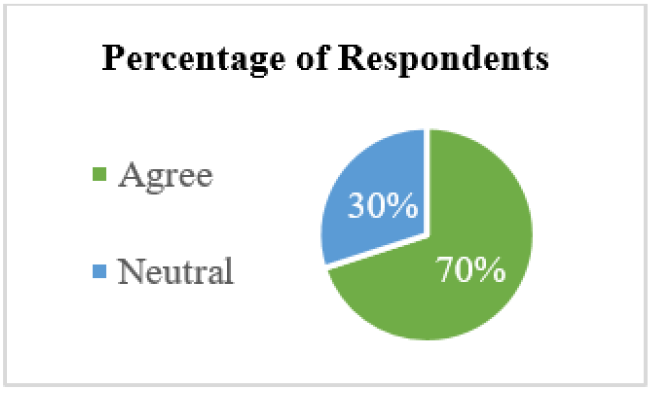
The third philosophical reason Indicator shows that as many as 70% of consumers decide to buy moringa leaf processed products because it is known that they prefer to consume herbal products rather than chemical products because moringa leaves are natural and herbal ingredients. This is in line with research from Dewati and Saputro [25], that people are more aware of maintaining their health by consuming herbal products, without having to wait when they get sick. The statement was delivered as follows:
“I do try to consume herbal products first, if it is less beneficial to my health, then I switch to chemical products.”
Consumer perception of herbal medicine is formed meaning that herbal medicine is guaranteed safe, fast healing, efficacious and proven to heal and of course consumers who use herbal medicine generally feel some of the benefits they believe. As for consumers who provide such a statement, this is conveyed as follows:
"Herbal medicine is better than chemical if taken in the long term and will be beneficial for me.”
Meanwhile, 30% of consumers who are neutral do not make the type of product as a reference in buying and consuming moringa leaf processed products because the most important thing is that the product can cure the disease, although according to Abiyoga Wulandari [26], synthetic/medical drugs have only been curing existing diseases with Of course the risk of side effects that may arise from consuming them.
Medical Reasons
Based On Figure 10. the indicator of product benefits shows that as many as 67% of consumers agree that the reason for buying moringa leaf processed products is because the composition of moringa leaf processed products is beneficial for the health of the body. This is based on the efficacy of moringa leaves that have been experienced by consumers before the innovation of various processed moringa leaf products. Consumers feel after consuming moringa leaf processed products, the body becomes more fit because of the vitamin content. It is presented as follows:
"From the content of moringa leaves alone, there are many vitamins, of course it is nutritious for the body because I feel this body is more delicious after consuming”.
Figure 10: Distribution of Product Benefit
Source: Processed Data (2023)
Figure 11.: Distribution of Product Effectiveness
Source: Processed Data (2023)
Figure 12: Distribution of Product Safety
Source: Processed Data (2023)
Meanwhile 33% of consumers are neutral because consumers do not care too much about the composition and do not use the composition as an excuse not to buy and consume processed products moringa leaves because by mentioning the name of moringa leaves alone, consumers immediately know that moringa leaves are certainly healthy for the body. In fact, according to Lestari and Zahra [27], the importance of the composition listed on the product aims to provide correct and clear information to the public about every product that is packaged before they buy and consume the product, so that the public knows what the content in the product can be that the product contains ingredients that are harmful to the body.
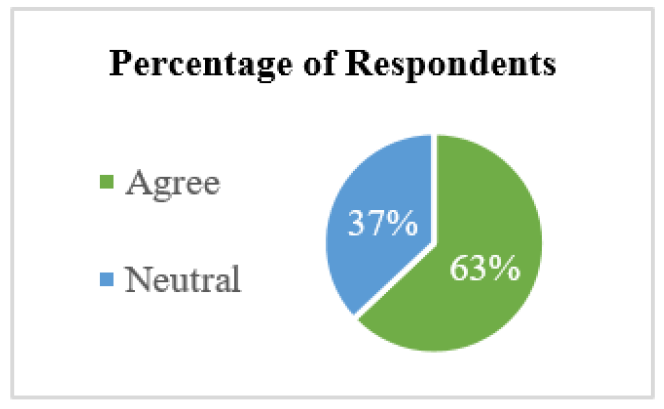
The reason 63% of consumers of moringa leaf processed products on the effectiveness indicator of this product believes that the antioxidants in moringa leaves can protect the body from various diseases. It is based on consumer confidence in antioxidants that can be used as natural neutralizers due to the effects of free radicals. This consumer perception is in line with Krisnadi's [3], opinion that consuming more antioxidants helps the body to neutralize harmful free radicals, helps build tissues necessary for vascular health and also helps prevent various diseases. One of the consumers who agreed gave the following statement:
“I buy and consume because of its many benefits, especially in the antioxidant content that I use as a source of natural neutralizers for my body.”
There are also other consumers who agree with the previous statement, here is the statement:
“I deliberately use moringa leaves as a source of natural antioxidants, because the benefits given are clear after consuming moringa leaf products.”
While 37% of consumers who are neutral are of the opinion that high antioxidant content is not only found in moringa leaves, but the antioxidant content of moringa leaves is equivalent to various other vegetables. Consumer perceptions are supported by research Silvia et al., [28], which states that there are several local foods that can be an alternative to ward off free radicals, among others, tomatoes, Dutch eggplant, broccoli, red spinach, red beans, potatoes and kale.
Furthermore, in this product safety indicator as many as 60% of consumers assume that moringa leaves are natural products which of course moringa leaf processed products also contain safe ingredients, this is related to the concept (back to nature) which means consumers already know the benefits and advantages of consuming herbal products since the first. This perception is in line with Hafid's [29]. Research which says that people consume herbal medicines because they think herbal medicines are safer to consume than chemical or synthetic drugs and certainly do not have side effects that can cause new diseases. Some people also assume that if they take the medicine given by the doctor, they will feel dizzy if it is not suitable so they switch to drinking herbs only. As for consumers who agree related to this by providing the following statement:
“I want to eat moringa leaf products because these products are natural and contain no other chemicals.”
Other consumers also provide similar statements related to this, because they agree that herbal products are certainly safe and have minimal side effects. It is presented as follows:
"Because so far my digestion is safe every time I consume moringa leaf products, the sign is indeed minimal side effects.”
While 40% of neutral consumers indicated that consumers do not mind the presence or absence of side effects caused by processed moringa leaf products, because according to consumers of herbal products and chemical products will both cause side effects when consumed inappropriately, then the consumer does not make the reliability and lack of side effects as a reason to buy and consume processed moringa leaf products. This is in line with research Subroto and Harmanto [30], which states that all herbal and chemical drugs must have side effects that are intrinsic (from the drug itself), can also be extrinsic (from outside the drug itself), but the side effects caused by herbs are usually only temporary because the body is adjusting.
CONCLUSION
This study concluded that the better a person realizes the importance of maintaining health and maintaining the condition of the body to stay in shape, the higher the person's interest in buying and consuming moringa leaf processed products. The most common consumer reasons for buying and consuming moringa leaf processed products can be used as motivation for manufacturers to continue to produce moringa leaf processed products consistently.
REFERENCES
Badan Pusat Statistik (BPS). PDB Triwulanan Atas Dasar Harga Konstan 2010 Menurut Lapangan Usaha (Miliar-Rupiah) 2014–2020. Badan Pusat Statistik, 2020. https://www.bps.go.id/linkTableDinamis/view/id/827
Dewi, F. et al. Pembuatan Cookies dengan Penambahan Tepung Daun Kelor (Moringa Oleifera) pada Berbagai Suhu Pemanggangan. 2016, pp. 1–21.
Krisnadi, A.D. Kelor Super Nutrisi. Pusat Informasi dan Pengembangan Tanaman Kelor Indonesia, 2015.
Yuliati, E. et al. KOIN MAMI Kelor UIN Maliki Untuk Imunitas Masa Pandemi. Kementerian Agama RI, 2017.
Creswell, J.W. Penelitian Kualitatif dan Desain Riset, Memilih di antara Lima Pendekatan. Pustaka Pelajar, 2015.
Sugiyono. Metode Penelitian Pendidikan (Pendekatan Kuantitatif, Kualitatif, RandD). Alfabbeta Press, 2017.
Djaali. Skala Likert. Pustaka Utama, 2008.
Pradana, D. et al. "Pengaruh Harga Kualitas Produk dan Citra Merek Brand Image Terhadap Keputusan Pembelian Motor." Kinerja, vol. 14, no. 1, 2018, p. 16. https://doi.org/10.29264/jkin.v14i1.2445
Ibadurrahman and A. Hafid. "Pengaruh Cita Rasa, Harga dan Kemasan Terhadap Keputusan Pembelian Minuman Ringan di Kelurahan Sudian Raya Kota Makassar." JUEB: Jurnal Ekonomi dan Bisnis, vol. 1, no. 2, 2022, pp. 1–9.
Yahmini, E. "Kecenderungan Impulse Buying Pada Mahasiswa Ditinjau dari Latar Belakang Keluarga (Studi Kasus Mahasiswa di Lima Universitas di Yogyakarta)." EXERO Journal of Research in Business and Economics, vol. 2, no. 1, 2019, pp. 41–56.
Firdausa, A. Analisis Pengaruh Rekomendasi Produk dari Official Marketplace Terhadap Keputusan Pembelian Online Menggunakan Model Signaling Theory. Universitas Airlangga, 2020.
Lau, S.H.A. et al. "Studi Perbandingan Tingkat Pengetahuan Masyarakat Tentang Obat Herbal dan Obat Sintetik di Campagayya Kelurahan Panaikang Kota Makassar." Jurnal Farmasi Sandi Karsa, vol. 5, no. 1, 2019, pp. 33–37. https://media.neliti.com/media/publications/286093-studi-perbandingan-tingkat-pengetahuan-m-4c97569e.pdf
Namira. "Pengaruh Variabel Atribut Produk Terhadap Keputusan Pembelian Produk Smoothies (Studi Kasus Konsumen Smoothies di Kota Malang)." Jurnal, vol. 5, no. 1, 2016.
Kotler, P. and G. Armstrong. Prinsip-Prinsip Pemasaran. 13th ed., Erlangga, 2012.
Puri, Aprilian. "Apakah Kepercayaan Konsumen Lebih Efektif Daripada Risiko dan Harga? Whether Customer Trust Is More Effective Than The Risk and Price?" Jurnal Dinamika Manajemen, vol. 4, no. 2, 2013, pp. 180–187. http://jdm.unnes.ac.id
Apriando, J.P. et al. "Pengaruh Kualitas Produk dan Ketersediaan Produk Terhadap Keputusan Pembelian dengan Citra Merek Sebagai Variabel Intervening (Studi Kasus Konsumen Minuman Energi M-150 di Kota Semarang)." Jurnal Sains Pemasaran Indonesia, vol. 18, no. 2, 2019, pp. 166–183.
Oktavia, L. Pengaruh Bauran Pemasaran Terhadap Keputusan Pembelian (Studi Kasus di Galeri Sinar Mas Jakarta). Sekolah Tinggi Ilmu Ekonomi Indonesia Jakarta, 2021.
Jamaludin, A. et al. "Pengaruh Promosi Online dan Persepsi Harga Terhadap Keputusan Pembelian (Survei Pada Pelanggan Aryka Shop di Kota Malang)." Jurnal Administrasi Bisnis (JAB), vol. 21, no. 1, 2015, pp. 1–8.
Valdivié-Navarro, M. et al. "Review of Moringa oleifera as Forage Meal (Leaves plus Stems) Intended for the Feeding of Nonruminant Animals." Animal Feed Science and Technology, vol. 260, no. 2, 2020, p. 114338.
Angelina, C. et al. "Peningkatan Nilai Gizi Produk Pangan dengan Penambahan Bubuk Daun Kelor (Moringa oleifera): Review." Jurnal Agroteknologi, vol. 15, no. 1, 2021, pp. 79–93.
Basith, A. and F. Fadhilah. "Analisis Faktor-Faktor yang Mempengaruhi Keputusan Pembelian Produk pada McDonald’s di Jatiasih Bekasi." Jurnal Manajemen dan Organisasi, vol. 9, no. 3, 2019, pp. 192–203. https://doi.org/10.29244/jmo.v9i3.28224
Hindratno, J. et al. "Pengaruh Budaya, Persepsi, dan Kepercayaan Terhadap Keputusan Pembelian Obat Tradisional di UKM Pasar Kahayan Kota Palangka Raya." JEMBA: Jurnal Ekonomi Pembangunan, Manajemen dan Bisnis, Akuntansi, vol. 1, no. 1, 2021, pp. 9–17. https://doi.org/10.52300/jemba.v1i1.2487
Kamil, S.U.R. et al. "Studi Pendapat Konsumen Terhadap Brand Awareness, Brand Equity, dan Brand Image Minuman Coca-Cola di Kota Makassar." Jurnal Komunikasi Kareba, vol. 1, no. 4, 2011, pp. 411–422.
Dewati, R. and W.A. Saputro. "Persepsi Konsumen Terhadap Pembelian Produk Herbal di Kabupaten Sukoharjo." Agrisaintifika: Jurnal Ilmu-Ilmu Pertanian, vol. 4, no. 2, 2020, pp. 144–152..
Abiyoga Wulandari, N.L.A. "Analisis Faktor–Faktor yang Mempengaruhi Keputusan Pembelian Produk Herbal Ayurveda (Studi Pada Konsumen di Kota Denpasar)." Widya Kesehatan, vol. 1, no. 2, 2019, pp. 28–38. https://doi.org/10.32795/widyakesehatan.v1i2.462
Lestari, D.M. and S. Zahra. "Introduksi Produk Banana Chip Aren Sugar dan Banana Puding pada Ibu-Ibu dan Remaja Nyapah Walantaka, Serang." Jurnal Abdimas Bina Bangsa (JABB), vol. 1, no. 1, 2020, pp. 87–97.
Silvia, D. et al. "Pengumpulan Data Base Sumber Antioksidan Alami Alternatif Berbasis Pangan Lokal di Indonesia." Surya Octagon Interdisciplinary Journal of Technology, vol. 1, no. 2, 2016, pp. 181–198.
Hafid, R. "Pengetahuan Lokal Tentang Pemanfaatan Tanaman Obat pada Masyarakat Tolaki di Kabupaten Konawe Sulawesi Tenggara." Pangadereng: Jurnal Hasil Penelitian Ilmu Sosial dan Humaniora, vol. 5, no. 1, 2019, pp. 46–63. https://doi.org/10.36869/.v5i1.25
Subroto, A. and N. Harmanto. Pilih Jamu dan Herbal Tanpa Efek Samping. Elex Media Komputindo, 2013.
None
License
Creative Commons Attribution-NonCommercial-NoDerivatives 4.0 International License
All papers should be submitted electronically. All submitted manuscripts must be original work that is not under submission at another journal or under consideration for publication in another form, such as a monograph or chapter of a book. Authors of submitted papers are obligated not to submit their paper for publication elsewhere until an editorial decision is rendered on their submission. Further, authors of accepted papers are prohibited from publishing the results in other publications that appear before the paper is published in the Journal unless they receive approval for doing so from the Editor-In-Chief.
Himalayan Journal of Agriculture open access articles are licensed under a Creative Commons Attribution-Share A like 4.0 International License. This license lets the audience to give appropriate credit, provide a link to the license, and indicate if changes were made and if they remix, transform, or build upon the material, they must distribute contributions under the same license as the original.
Advertisement
Recommended Articles
Research Article
Mating behaviour of Cavariella aegopodii
Nidhi Dhatwalia
Published: 19/07/2024
Download PDF
Cite
x
APA
Dhatwalia, N. (2024). Mating behaviour of Cavariella aegopodii. Himalayan Journal of Agriculture, 5(1), 1-7.
MLA
Dhatwalia, Nidhi. "Mating behaviour of Cavariella aegopodii." Himalayan Journal of Agriculture 5.1 (2024): 1-7.
Chicago
Dhatwalia, Nidhi. "Mating behaviour of Cavariella aegopodii." Himalayan Journal of Agriculture 5, no. 1 (2024): 1-7.
Harvard
Dhatwalia, N. (2024) 'Mating behaviour of Cavariella aegopodii' Himalayan Journal of Agriculture 5(1), pp. 1-7.
Vancouver
Dhatwalia N. Mating behaviour of Cavariella aegopodii. Himalayan Journal of Agriculture. 2024 Jan;5(1):1-7.
Download PDF
Research Article
The Role of Indigenous Microbes and Earthworm in the Bioconversion of Dairy Wastewater Solids into Organic Fertilizer
Marlina ,
...
N. Meynadhea
Published: 17/01/2024
Download PDF
Cite
x
APA
None, M., Rahayu, N. A., Badruzzaman, D. Z., Hidayati, Y., Harlia, E., Kurniawan, E. & Meynadhea, N. (2024). The Role of Indigenous Microbes and Earthworm in the Bioconversion of Dairy Wastewater Solids into Organic Fertilizer. Himalayan Journal of Agriculture, 5(1), 1-7.
MLA
None, Marlina, et al. "The Role of Indigenous Microbes and Earthworm in the Bioconversion of Dairy Wastewater Solids into Organic Fertilizer." Himalayan Journal of Agriculture 5.1 (2024): 1-7.
Chicago
None, Marlina, N. A. Rahayu, D. Z. Badruzzaman, Y.A. Hidayati, E. Harlia, E. Kurniawan and N. Meynadhea. "The Role of Indigenous Microbes and Earthworm in the Bioconversion of Dairy Wastewater Solids into Organic Fertilizer." Himalayan Journal of Agriculture 5, no. 1 (2024): 1-7.
Harvard
None, M., Rahayu, N. A., Badruzzaman, D. Z., Hidayati, Y., Harlia, E., Kurniawan, E. and Meynadhea, N. (2024) 'The Role of Indigenous Microbes and Earthworm in the Bioconversion of Dairy Wastewater Solids into Organic Fertilizer' Himalayan Journal of Agriculture 5(1), pp. 1-7.
Vancouver
Marlina M, Rahayu NA, Badruzzaman DZ, Hidayati Y, Harlia E, Kurniawan E, Meynadhea N. The Role of Indigenous Microbes and Earthworm in the Bioconversion of Dairy Wastewater Solids into Organic Fertilizer. Himalayan Journal of Agriculture. 2024 Jan;5(1):1-7.
Download PDF
Research Article
The Effect of Green Marketing Mix on Purchasing Decisions by Greenly Salad Consumers in Surabaya
Almira Parahita Soekarno,
...
Sigit Dwi Nugroho
Published: 30/01/2023
Download PDF
Cite
x
APA
Soekarno, A. P., Hendrarini, H. & Nugroho, S. D. (2023). The Effect of Green Marketing Mix on Purchasing Decisions by Greenly Salad Consumers in Surabaya. Himalayan Journal of Agriculture, 4(1), 1-7.
MLA
Soekarno, Almira P., Hamidah Hendrarini and Sigit D. Nugroho. "The Effect of Green Marketing Mix on Purchasing Decisions by Greenly Salad Consumers in Surabaya." Himalayan Journal of Agriculture 4.1 (2023): 1-7.
Chicago
Soekarno, Almira P., Hamidah Hendrarini and Sigit D. Nugroho. "The Effect of Green Marketing Mix on Purchasing Decisions by Greenly Salad Consumers in Surabaya." Himalayan Journal of Agriculture 4, no. 1 (2023): 1-7.
Harvard
Soekarno, A. P., Hendrarini, H. and Nugroho, S. D. (2023) 'The Effect of Green Marketing Mix on Purchasing Decisions by Greenly Salad Consumers in Surabaya' Himalayan Journal of Agriculture 4(1), pp. 1-7.
Vancouver
Soekarno AP, Hendrarini H, Nugroho SD. The Effect of Green Marketing Mix on Purchasing Decisions by Greenly Salad Consumers in Surabaya. Himalayan Journal of Agriculture. 2023 Jan;4(1):1-7.
Download PDF
Review Article
Registration of Gute-19 (Late Set) Soybean Varieties (Late Maturity Class)
Adane Arega,
Alemayeh Dabessa
Published: 10/10/2020
Download PDF
Cite
x
APA
Arega, A. & Dabessa, A. (2020). Registration of Gute-19 (Late Set) Soybean Varieties (Late Maturity Class). Himalayan Journal of Agriculture, 1(1), 1-4.
MLA
Arega, Adane and Alemayeh Dabessa. "Registration of Gute-19 (Late Set) Soybean Varieties (Late Maturity Class)." Himalayan Journal of Agriculture 1.1 (2020): 1-4.
Chicago
Arega, Adane and Alemayeh Dabessa. "Registration of Gute-19 (Late Set) Soybean Varieties (Late Maturity Class)." Himalayan Journal of Agriculture 1, no. 1 (2020): 1-4.
Harvard
Arega, A. and Dabessa, A. (2020) 'Registration of Gute-19 (Late Set) Soybean Varieties (Late Maturity Class)' Himalayan Journal of Agriculture 1(1), pp. 1-4.
Vancouver
Arega A, Dabessa A. Registration of Gute-19 (Late Set) Soybean Varieties (Late Maturity Class). Himalayan Journal of Agriculture. 2020 Jan;1(1):1-4.
Rosyardi, N. R. R., Hidayat, S. I. & None, M. (2023). Reasons Consumers in Buying and Consuming Processed Products Moringa Leaves. Himalayan Journal of Agriculture, 4(2), 1-8.
MLA
Rosyardi, Nabila R. R., Syarif I. Hidayat and Mubarokah . "Reasons Consumers in Buying and Consuming Processed Products Moringa Leaves." Himalayan Journal of Agriculture 4.2 (2023): 1-8.
Chicago
Rosyardi, Nabila R. R., Syarif I. Hidayat and Mubarokah . "Reasons Consumers in Buying and Consuming Processed Products Moringa Leaves." Himalayan Journal of Agriculture 4, no. 2 (2023): 1-8.
Harvard
Rosyardi, N. R. R., Hidayat, S. I. and None, M. (2023) 'Reasons Consumers in Buying and Consuming Processed Products Moringa Leaves' Himalayan Journal of Agriculture 4(2), pp. 1-8.
Vancouver
Rosyardi NRR, Hidayat SI, Mubarokah M. Reasons Consumers in Buying and Consuming Processed Products Moringa Leaves. Himalayan Journal of Agriculture. 2023 Jul;4(2):1-8.


 Download PDF
 Download XML