Ganga River is one of the prime individualities of Hinduism, Ganges is not only a source of water but it is deliberated a Goddess Mother who always gives everything to her children the Ganga is accredited in Rigveda,500BC Hippocrates, wrote about the therapeutic of disease with water. Ernest Hankin, a British bacteriologist, reported in 1896 on the presence of antibacterial activity against Vibrio cholera. It has been proven that Bacteriophage is found in greater quantity inside the Ganges than other rivers. This review is mainly focused on the role of Ganga Phages in different severe diseases and provides an overview of the potential of phage therapy as a resource of treating or preventing human diseases, this review shall help the policymakers to choose the best methods & criteria for phage therapy in the treatment of many severe diseases.
Keywords
Ganga River Water
Bacteriophage
Self-purifying capacity
INTRODUCTION
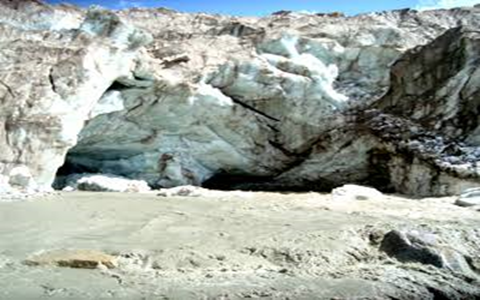
Ganga is a Universal River in the world. The Ganga is an icon and memory of the olden times of India, running into the present and flowing on to the great ocean of the upcoming. Hindi epic 'Ramcharitmanas' (The Ramayan) was written by the Saint poet Tulsidas on the tier of the Ganga at Assi ghat in Varanasi in the 16th century. the Moghul Emperor Akbar (1542-1605). considered the Ganga water as nectar or drink of the God ‘Amrit’. The River Ganga originates from the Gangotri glacier at Gomukh in Uttarkashi district of Uttrakhand province in India at an altitude of about 3800 m above mean sea level in Garhwal Himalaya. The length of the main channel from the traditional source of the Gangotri glacier in India is about 2550 km and basin area over 1 million Km2 and is deliberated as the blessed river of India River Ganga alone sustains 114 districts in a basin populated by over 400 million people. It has important cultural significance since it is considered sacred in Hindu tradition. Ganga not only holds countless cultural and spiritual significance, but it is unique. Ordinary characteristics have made her an Enthralling subject for many scientific studies [1].
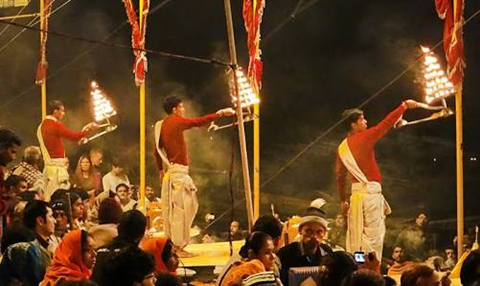
Traditional stories say that the river has descended from heaven on the earth because of the long and arduous prayer of King Bhagirathi for the salvation of his extinct ancestors. A container or vial of blessed water from Ganga Known as Ganga jal can be found faithfully kept in most Hindu homes; this water has often been witnessed to continue fresh for long periods because of the antibacterial and antiseptic quality of Ganga, High Oxygen Retention capacity. Ganga Atari is a ritual performed each evening in devotion to the Goddess Ganga using enthusiasm as the proposing. A Diya (lamp) is lit with a candle and is floated depressed the river along with some flowers. This great ritual is implemented primarily in the three holy cities Haridwar, Rishikesh and Varanasi. The Hindus sprinkle it (Gangajal) for purification and worship and take bath in it in the belief supported by scriptures that it cleanses their sins and flat-lighted oil lamps on its water after buskin memory of their deceased elders. In earlier days, the Hindus used to leave their dying kith and kin on its shores, or lodge them in Varanasi on its bank, so that their soul could ascend to heaven when they died’’ Many studies showed that Ganga water having a self-purification system by the presence of bacteriophages it's having a greater number of phages compare to other natural water resources. A study commissioned by the Union Water Resources Ministry to probe the “unique properties” of the Ganga found that the river water holds a significantly higher proportion of organisms with antibacterial properties. During the water quality survey of Ganga, several interesting factors were observed which played a significant part in the natural purification of these rivers. Various extracellular polymers are existent in the river with the colloidal matter present in sewage result in a very rapid and significant decrease in biological oxygen demand (BOD). The records analysis has shown that Ganga has the highest BOD rate Constant value and the reaeration rate constant value both are high as a match to other rivers.
At the current time, investigators have been looking that, define this sacred power through the function of phages activities and versatile importance. They have taken Bacterial strips and reside in Ganga water and then they witnessed that the bacterial colonies degrade very rapidly and effectively. The scientist pointed out that Ganga having pathogen-killing properties [2].
Figure1: Gomukh
Figure 2: Ganga Jal in a containe
Figure 3: Ganga Arti at Triveni Ghat Rishikesh
A study thus indicates that multiple clones (ribotypes/pulsotypes) of V. cholerae O1 carrying pre-CTXΦ and/or CTXΦ and ctx-negative strains were present in the water of the River Ganga, Varanasi, India [3]. The bacterial multiplicity and uniformity were increased and correlated with the number of devotees taking a dip at various events. Despite an enormous increase in bacterial diversity during very ritualistic bathing, the core bacterial species found in pre-Kumbh Ganga water were present in all the samples taken during Kumbh and post-Kumbh. The study of bacteriophages at different bathing events revealed that Ganga was richer with the presence of bacteriophages in comparison with the Yamuna against seven collective bacteria found during the Maha-Kumbh.
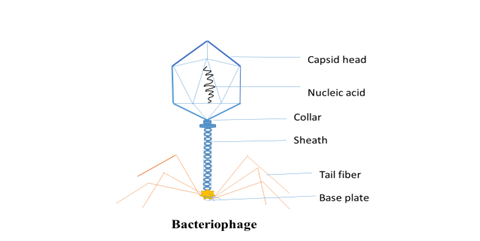
Figure 4: A labeled diagram of Bacteriophage
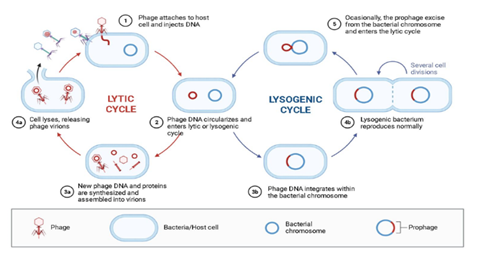
Figure 5: Life cycle of Bacteriophage
These bacteriophages have played a role in monitoring bacterial growth and thus preventing putrefaction of Ganga water. Further, the abundance of trace elements in Ganga water might also be a reason for the dominance of bacterial growth [4].
Bacteriophage
Viruses are the parasite of all living cells including eukaryotes, prokaryotes, archaea. Amongst the viruses of microorganisms, those infecting members of the domain of Bacteria (Bacteriophages or Phages) Figure 4, those infecting members of domain Archaea (Archaeal Viruses) and those infecting especially the single-celled members of domain Eukaryotes, particularly algae and protozoa (Algal or Protozoal Viruses). We may recall Dr. M.E. Hankin who for the first time recommended definite scientific clues regarding the curing properties of River Ganga water in 1896 and thus the presence of living being smaller than bacteria. Félix d’Hérellein 1917 named these bacterial viruses as bacteriophages (bacteria eaters) and may be taken as the initial viruses to be discovered. The viruses constitute the supreme abundant predator on the earth. They not only act as an antibacterial agent but also the food providers to all the higher living beings by disintegrating the organized cell cyanobacteria, bacteria and unicellular eukaryotes. Additionally, bacteriophages have been the key players in the development of molecular biology. Pasricha and Demonte of Calcutta School of tropical medicine reported having evidence of Bacteriophage in 1940 [5]. Bacteriophages, in short, are important players in ecology, public health, infectious disease and environmental science. In the present era of the emergence of antimicrobial resistance against antibiotic molecules, the phages are the most important ray of hope to deal with the infections. Not with standing with fact that the bacterial viruses first time proposed in the water of rivers of Ganga and Yamuna, numerous breakthroughs resulting in Nobel Prizes, there has been slight dedicated modern-day support of the study of the bacteriophages as an academic discipline, in terms of developmental assistance to phage-based businesses, or facilitation of an accurate public as well as the scientific perception of what these organisms are all about. Bacteriophage research is like any other discipline of science: It cannot exist absent a collective voice espousing its importance to the whole globe including India.
Discovery of Bacteriophage in Ganga
Many people believe that River Ganga has self-purificatory properties. This belief has existed for ages and has been attributed to certain characteristics, which people believe are unique to River Ganga. The earliest work on bacteriophages in River Ganga was reported in 1896 by Ernst Hankin, a British bacteriologist. He discovered bacteriophages in Ganga water while exploring the existence of bactericidal properties. He demonstrated that the cholera bacteria, Vibrio cholerae could not persist in Ganga water for few hours while it might survive in distilled water for about two days. Similarly, the bacteria, while it could thrive in tap water, died in Ganga water. Other important experiments of Hankin were using boiled water of Ganga and filtered (using Pasteur filters) water which showed that while filtered water continued to display bactericidal properties, boiled water did not; leading to the conclusion that the factor in Ganga was thermolabile and not filterable [6]. Thus, the existence of bacteriophages was first speculated. A similar phenomenon was observed two years later by a Russian microbiologist, Gamaleya when working with Bacillus subtilis. Another British physician, Dr. C.E. Nelson, observed that water collected from even the polluted stretches of the Ganga – Hoogly, remained fresh for months. Felix d‟Herelle, a French-Canadian microbiologist, did groundbreaking research in the early days of the discovery of bacteriophages and his contributions to the field were invaluable. In 1910, he had observed the phenomenon of bacterial lysis of this kind and independently of Frederick Twort, a British bacteriologist, who co-discovered bacteriophages in the second decade of the 20th century. He worked with cholera patients‟ feces and while isolating the pathogenic bacteria, observed clear zones on the agar plates which he later termed as plaques. This led to the discovery of a biological bactericidal factor – a virus, which further d‟Herelle proposed to be used as therapy for the treatment of diseases and successfully used it in the treatment of cholera during the Second World War. Two physicians from Baylor University’s College of Medicine, in 1923, successfully conducted trials of phage therapy and proposed that bacteriophages could be the new weapon for fighting against pathogens causing infectious diseases! The Discovery of antibiotics in the early 1940s however led to a slowdown in phage research and phage studies. Another recent research conducted by Malaria Research Center, New Delhi, shows that mosquito breeding did not occur in the upper stretches of River Ganga and in waters to which Ganga water was added. Bacteriophages, phytochemicals, metals and biodegradation by other microbes together keep the water clean and pure. A thorough study of the diversity and possessions of bacteriophages in River Ganga has not been dealt with in-depth in recent years. These bacteriophages may be subsidizing unique bactericidal properties. The diversity, properties, host range and specificity of these phages might open up new avenues and discoveries in this field, which may lead to path-breaking research in the field of antimicrobials. Bacteriophage is widely studied as part of phage therapy for treating bacterial diseases in plants, animals and humans. Bacteriophages in a single environmental source are present in high diversity and can infect different bacteria to a different extent and at different temperatures. Some are resistant to high temperatures and infect pathogenic strains of bacteria and can be used in phage therapy. The complete genome sequences of bacteriophages have also been examined from a single environmental source [7]. Bacteriophages present in River Ganga might be bactericidal properties spanning across several pathogenic bacteria, which is yet not explored in detail. After about a century, this research work has pioneered in isolating and studying a large number of bacteriophages present in the entire stretch of River Ganga. Bacteriophages present in other rivers in India like Yamuna and Narmada have also been studied simultaneously. This study attempts to identify uniqueness in the diversity of bacteriophages in River Ganga based on the comparison with Yamuna and Narmada.
Uniqueness of Ganga
That the Ganga may contain matchless microbial life, which makes it relatively more resilient to putrefaction, was suggested by British expatriate scientists about 200 years ago
Because bacteriophages are a kind of virus that kills bacteria, they are frequently found in proximity to each other
In the river Ganga, the bacteriophages were detected to be approximately 3 times more in proportion than bacterial isolates
Though it is not evident that there are bacteriophage species unique to the Ganga, the study advises there are many more of them in the Ganga than in other rivers
In 1896, one of the primarily published works on Ganges water by Ernst Hankin, a British bacteriologist demonstrated the antibacterial property of Ganges water against Vibrio cholera. Supplementary work by French microbiologist D'Herelles at the beginning of the twentieth century established that the antibacterial assets of Ganges water to be due to a factor, later named "bacteriophage". The above-said studies were accompanied during the dated of Crown rule in India and a significant number of funding studies on the Ganges were carried out generally by British and French microbiologists. Such studies on the Ganges led to the introduction of bacteriophages to the world. Bacteriophages are prokaryotic viruses that solely infect and/or terminate the bacteria. Bacteriophages were associated with the special property of the river Ganges
Samples drawn from the Ganga contained almost 1,100 kinds of bacteriophage and proportionally there were less than 200 species detected in the samples acquired from the Yamuna and the Narmada
However, these antibacterial properties varied widely along the length of the river
In this review article, we have focused on some researchers who had worked on Ganga Bacteriophages' special properties and it is therapeutically used. Another recent research conducted by Malaria Research Center, New Delhi, shows that mosquito breeding did not occur in the upper stretches of River Ganga and in waters to which Ganga water was added
Literature Survey - Numerous Study has been done in past regarding special properties of Ganga River. This shows the special characteristics of the Ganga River compare to all others rivers of India. Some of the most reliable revisions are listed below.
Hankin et al. 1896 - Hankin was monstered the first time to study a bactericidal action associated with the water of the Yamuna and Ganga River in India. They were the use of phage for therapy of Bacterial infection, heat-labile, filterable antibacterial activity capable of killing Vibrio cholerae in the water of Ganges and Yamuna River [6].
Felix d’Herelle - British bacteriologist Frederick W. Twort discovered a small agent that infects and kills bacteria but did not follow the issue further. Independently, the discovery of "an invisible, antagonistic microbe of the dysentery bacillus" by d'Herelle was announced on 3 September 1917. The isolation of Phages by d'Herelle works like this: in early 1919, d’Herelle isolated phage from chicken feces, successfully treating a plague of chicken typhus with them. After this successful experiment on chicken, he felt ready for the first trial on humans. The first patients were healed of dysentery using phage therapy in august 1919 [8].
C.S Nautiyal 2009 – Agreeing to his study they monitored that the capability of 8-year –old Ganga water had a better ability to kill E. coli O157: H7.and 16-year-old Ganga water was better than that of boiled water passed through a 0.2 µm filter. This indicates that the involvement of heat-labile agents influencing the survival of E. coli O157: H7 in Ganga water, which seems to indicate the character of antimicrobial peptides. The Ganges having a self-purification factor that does not let the water putrefy, even after a long period of storage [9].
Chandan Kishore et al. 2016 -Subsequently the discovery of the bacteriophage.it has been used in various countries to treat various types of diseases. The work done by them in India is also very significant. His study shown the potential of phage therapy to treat difficult infections caused by multidrug-resistant bacteria like methicillin-resistant staphylococcus aureus (MRSA) they have used Ganga phages for various medical research purposes [10].
Shivani Tyagi and R C Dubey 2018
They were isolated host-specific bacteriophages against some enteric human pathogens were isolated from Ganga water by using the specific host bacterial strains viz., E. coli, S. typhi and Pneumonia. Based on the numbers, shape and size of the plaque. Drinking of Ganga water containing bacteriophages has increased the purity of water by killing the pathogens causing human diseases. The role of bath in Ganga water for treatment of leprosy [11].
Gopal Nath et.al 2019 - Numerous research work has been done by them related to phage therapy. Many studies powerfully support the use of Ganga isolated phages as therapeutic agents to combat MDR, P. aeruginosa infections in immunocompromised patients. Ganga water isolated phage as a good substitute for antibiotics. His study demonstrated the significant role of phage therapy in wound healing in humans [12]. Numerous studies have shown the potential use of phages in treating infectious diseases in animals. his team conducted a genomic study of Salmonella Typhi ‘VI' specific Bacteriophage. in that study two bacteriophage targeted against VI positive Typhi was isolated DNA of Phages was extracted for molecular characterization. On restriction analysis, both the phages were found to be of similar pattern, suggested that they were genetically similar, although they had different plaque morphologies. This study may be helpful in their future use in therapeutics [13] his study concludes that Ganga water is a huge source of Bacteriophages which will be useful for bacteriophage therapy shortly. They were planned to see the role of bacteriophages on biofilms formed on orthopedic devices by Methicillin-Resistant Staphylococcus Aureus MRSA [14,15].
Agreeing to their research findings, they conclude that the Ganga phages help in cleaning the holy River by eradicating the coliform bacteria.in Ganga River, Bacteriophages were detected to be approximately 3 times more in proportion and the species of Bacteriophages which are present in the river are unique giving the river its holy property [16].
Assessed the use of Ganga bacteriophages for the healing of non-healing wounds [17].
In this study, they concluded that Ganga water having a huge source of Bacteriophages they were observed bacteriophage in the form of Plaque formation on the bacterial lawn culture. They found Among 210 strains (30 each) of Enterococcus faecium (E. faecium), Staphylococcus aureus (S. aureus), Klebsiella pneumonia (K. pneumoniae), Acinetobacter baumanii, Pseudomonas aeruginosa (P. aeruginosa) and Escherichia coli (E. coli) called ESKAPE.and also develop the phage bank for a future aspect of phage therapy [18].
Institute of Microbial Technology (IMTECH) Reports Microbiologists of this Institute had found special characteristics in Ganga water several Bacteriophages, which keeps it non-petrifying. Dr. Mayilraj and his group have identified 20-25 new viruses, which can be used for the treatment of tuberculosis, typhoid, cholera, pneumonia, dysentery and meningitis, etc.
Table 1: Isolation of Ganga Bacteriophages and it is contribution/therapeutically use
S. No
Author name
Period of Research
Isolated Phages /Results
Outcome
01
Hankin EH
1896
First to detect Bacteriophage activity
Observe the presence of phage in Ganga and Jamuna River
02
D Herelle F
1917
Co-discoverer of Bacteriophage
Possibility of Phage therapy
03
Nautiyal CS
2009
To check the E. coli survival rate
Observe the self-purification power of Ganga Jal
04
Chandan Kishor et al
2016
Host-specific phage
Phage against MRSA.
05
R C Dubey,Shivani tyagi
2018
Host specific phage against E.coli,K.pneumonia,S.typhi
Ganga phages action against different infectious diseases.
06
Gopal Nath et al
2019
Several studies have shown the potential use of phages in treating infectious diseases in animals.
Ganga phage will be a good substitute for MDR disease
07
Pratibha Gavil et al
2019
Specific phage of Salmonella Typhi
The present study may be helpful in the genomic characterization of Salmonella Typhi ‘VI’ and its uses in therapeutics.
08
Pooja Gupta et al
2019
Several studies have shown the potential use of phages in treating infectious diseases in animals.
Phage action against P.aurogenous
09
Ankit Dimri, K.P Singh
2019
Cleaning properties
Cleaning against coliform bacteria
10
Dev Raj Patel et al
2019
Observe many kinds of phages in Ganga water
They used a phage cocktail on the unhealing ulcer and found a satisfactory result.
11
Raghvendra Raman misra, Gopal nath
2020
210 types of phage strains
Use of phage therapy
12
NEERI Report
2015-2018
Differentiation of bacteriophages in different river water
1100 kinds of phages found in Ganga River
National environmental engineering institute Reports (NEERI)2015
According to Neeri's report, five pathogenic species (Escherichia, Shigella, Salmonella, Enterobacter and Vibrio) were isolated from River Ganga, Yamuna and Narmada to check the bactericidal activity of Bacteriophage against bacterial species. Diversity and activity of bacteriophage from River Ganga was compared with the bacteriophage activity from Rivers Yamuna and Narmada to ascertain the unique characteristics in River Ganga. by the study of Neeri 2016 results shown that Ganga contains 11,00 kinds of Bacteriophages and stretch from Gomukh to Tehri had 33% more Bacteriophage isolate then from Mana to Haridwar and Bijnor to Varanasi and Gomukh to Tehri had 60% more Bacteriophage then Patna to Ganga Sagar.Along these antibacterial properties varied widely along the length of the river [18].
Dwivedi et.al 2020
On the behalf of this study. They observed a bio-remediation approach that will not only reduce the toxicity of Cr in Ganga water but Cr containing Gang water may prove beneficial for human health [19].
D.S Bhargava
The Authors findings shown that 60% of the BOD (Biological Oxygen Demand) At the wastewater outfall points in the Ganga, gets removed in as short a time as from 30-60 minutes, while the BOD rate constant is found to be as high as 3.5 to 5.5 per day, showing that the Ganga can assimilate BOD at a rate which is from 15-25 times faster than the most commonly reported values and thus is gifted with an extremely high self-purifying power [20].
CONCLUSION
Bacteriophage therapy has a long background. This includes early enthusiasm, abandonment due to the broad use of antibiotics and renewal of interest due to increasing antibiotic resistance. Despite the promising records of phage therapy in a certain part of the world, more modern randomized double-blind controlled clinical trials are needed to prove the protection and inefficiency of phage therapy. Issues like bacteriophage choice, isolation, preparation, purification, storage and pharmacology should be individually addressed and researched in depth. Moreover, regulations for the production of bacteriophage preparations are another obstacle for the implementation of phage therapy, since the current regulatory rules for medicinal products seem to be challenging for phage therapy products. Despite the hurdles, bacteriophages possess properties that make them suitable alternatives for the therapy of bacterial infections in the era of rising antimicrobial resistance. Apart from natural phages, phage-derived endolysins and engineered bacteriophages can also work as effective antimicrobials.
REFERENCES
Kumar, P. et al. “Evaluation of physicochemical, heavy metal pollution and microbiological indicators in water samples of Ganges at Uttarakhand, India: An impact on public health”.
d’Herelle, F. “Sur un microbe invisible antagoniste des bacilles dysentériques”. CR Acad Sci Ser D. 1917; 165:373–5.
Mohaptra, S.S. et al. “Characteristics of Vibrio cholerae O1 isolated from water of the River Ganga, Varanasi, India”. Indian Journal of Medical Microbiology. 2015 Oct 1; 33(4):507.
Mishra, R.R. and Nath, G. “Detection of bacteriophages against ESKAPE group of nosocomial pathogens from Ganga River water during community bath at various rituals: Since 2013–2019”. Journal of Applied Pharmaceutical Sciences and Research. 2020 Jun 17:17-21.
Pasricha, C.L. et al. (1936). “Indian Med”. Gazv. Vol. LXXI, p. 194.
Hankin, E.H.L’ action bactéricide des eaux de la Jumna et du Gange sur le vibrion du choléra. Ann Inst Pasteur. 1896; 10:511–23.
Wittebole, X. et al. “A historical overview of bacteriophage therapy as an alternative to antibiotics for the treatment of bacterial pathogens”. Virulence. 2014 Jan 1;5(1):226-35.
d'Hérelle, F. “On an invisible microbe antagonistic toward dysenteric bacilli: Brief note by Mr. F. D'Herelle, presented by Mr. Roux. 1917”. Research in Microbiology. 2007 Sep;158(7):553-4.
Nautiyal, C.S. “Self-purificatory Ganga water facilitates the death of pathogenic Escherichia coli O157: H7”. Current Microbiology. 2009 Jan 1;58(1):25-9.
Kishor, C. et al. “Phage therapy of staphylococcal chronic osteomyelitis in the experimental animal model”. The Indian Journal of Medical Research. 2016 Jan;143(1):87.
Tyagi, S. and Dubey, R.C. “Ganga water kills the enteropathogenic bacteria of humans in vitro and in vivo”.
Gupta, P. et al. “Bacteriophage therapy of methicillin-resistant Staphylococcus aureus biofilms on orthopedic implants in a rabbit model”. BAOJ Orthop. 2016 Dec 21;1(004).
Bhargava, D.S. “Ganga, the most self-purifying river." Paper presented at the International Symposium on Water Resources Conservation, Pollution and Abatement, December 11-13. Department of Civil Engineering, University of Roorkee. (Delhi; Sarita Prakashan, 1981), 233.
Alley, K.D. “Idioms of degeneracy: Assessing Ganga’s purity and pollution." In Purifying the Earthly Body of God: Religion and Ecology in Hindu India, ed. Lance Nelson. Albany: State University of New York Press, 1998, 297-330.
Gavel, P. et al. “A genomic study of Salmonella Typhi ‘Vi’-specific bacteriophages: A futuristic approach in therapeutics”. Journal of Clinical and Diagnostic Research. 2019 Oct 1;13(10).
Dimri, A. et al. “Isolation and characterization of coliform bacteria and bacteriophages from Ganga River in Northern Himalayan regions”. Int. J. Curr. Microbiol. App. Sci. 2019;8(11):1582-92.
Patel, D.R. et al. “Use of customized bacteriophages in the treatment of chronic nonhealing wounds: A prospective study”. The International Journal of Lower Extremity Wounds. 2019 Nov 22:1534734619881076.
Mishra, R.R. and Nath, G. “Detection of bacteriophages against ESKAPE group of nosocomial pathogens from Ganga River water during community bath at various rituals: Since 2013–2019”. Journal of Applied Pharmaceutical Sciences and Research. 2020 Jun 17:17-21.
Dwivedi, S. et al. “Self-cleansing properties of Ganga during mass ritualistic bathing on Maha-Kumbh”. Environmental Monitoring and Assessment. 2020 Apr;192(4):1-5.
Bhargava, D.S. “Ganga, the most self-purifying river." Paper presented at the International Symposium on Water Resources Conservation, Pollution and Abatement, December 11-13. Department of Civil Engineering, University of Roorkee. (Delhi; Sarita Prakashan, 1981), 233.
License
Creative Commons Attribution-NonCommercial-NoDerivatives 4.0 International License
All papers should be submitted electronically. All submitted manuscripts must be original work that is not under submission at another journal or under consideration for publication in another form, such as a monograph or chapter of a book. Authors of submitted papers are obligated not to submit their paper for publication elsewhere until an editorial decision is rendered on their submission. Further, authors of accepted papers are prohibited from publishing the results in other publications that appear before the paper is published in the Journal unless they receive approval for doing so from the Editor-In-Chief.
Himalayan Journal of Humanities and Cultural Studies open access articles are licensed under a Creative Commons Attribution-Share A like 4.0 International License. This license lets the audience to give appropriate credit, provide a link to the license, and indicate if changes were made and if they remix, transform, or build upon the material, they must distribute contributions under the same license as the original.
Recommended Articles
Research Article
Development of a Blended Learning Model to Increase Learning Effectiveness at University
Hairul ,
...
Darman Manda
Published: 10/12/2022
Download PDF
Cite
x
APA
None, H., Tolla, I. & Manda, D. (2022). Development of a Blended Learning Model to Increase Learning Effectiveness at University. Himalayan Journal of Humanities and Cultural Studies, 3(2), None-None.
MLA
None, Hairul, Ismail Tolla and Darman Manda. "Development of a Blended Learning Model to Increase Learning Effectiveness at University." Himalayan Journal of Humanities and Cultural Studies 3.2 (2022): None-None.
Chicago
None, Hairul, Ismail Tolla and Darman Manda. "Development of a Blended Learning Model to Increase Learning Effectiveness at University." Himalayan Journal of Humanities and Cultural Studies 3, no. 2 (2022): None-None.
Harvard
None, H., Tolla, I. and Manda, D. (2022) 'Development of a Blended Learning Model to Increase Learning Effectiveness at University' Himalayan Journal of Humanities and Cultural Studies 3(2), pp. None-None.
Vancouver
Hairul H, Tolla I, Manda D. Development of a Blended Learning Model to Increase Learning Effectiveness at University. Himalayan Journal of Humanities and Cultural Studies. 2022 Jul;3(2):None-None.
Download PDF
Research Article
A Study on the Current Situation and Innovation Strategies of Museum Cultural and Creative Product Development: taking Shanghai Museum as an Example
Shuyou Shi
Published: 30/04/2024
Download PDF
Cite
x
APA
Shi, S. (2024). A Study on the Current Situation and Innovation Strategies of Museum Cultural and Creative Product Development: taking Shanghai Museum as an Example. Himalayan Journal of Humanities and Cultural Studies, 5(1), 1-8.
MLA
Shi, Shuyou. "A Study on the Current Situation and Innovation Strategies of Museum Cultural and Creative Product Development: taking Shanghai Museum as an Example." Himalayan Journal of Humanities and Cultural Studies 5.1 (2024): 1-8.
Chicago
Shi, Shuyou. "A Study on the Current Situation and Innovation Strategies of Museum Cultural and Creative Product Development: taking Shanghai Museum as an Example." Himalayan Journal of Humanities and Cultural Studies 5, no. 1 (2024): 1-8.
Harvard
Shi, S. (2024) 'A Study on the Current Situation and Innovation Strategies of Museum Cultural and Creative Product Development: taking Shanghai Museum as an Example' Himalayan Journal of Humanities and Cultural Studies 5(1), pp. 1-8.
Vancouver
Shi S. A Study on the Current Situation and Innovation Strategies of Museum Cultural and Creative Product Development: taking Shanghai Museum as an Example. Himalayan Journal of Humanities and Cultural Studies. 2024 Jan;5(1):1-8.
Download PDF
Research Article
The Role of SEAMEO CECCEP in Creating Accessibility to Early Childhood Education in Indonesia
Ratna Wulan,
Elisabeth A. Satya Dewi
Published: 01/08/2024
Download PDF
Cite
x
APA
Wulan, R. & Dewi, E. A. S. (2024). The Role of SEAMEO CECCEP in Creating Accessibility to Early Childhood Education in Indonesia. Himalayan Journal of Humanities and Cultural Studies, 5(2), 1-8.
MLA
Wulan, Ratna and Elisabeth A. S. Dewi. "The Role of SEAMEO CECCEP in Creating Accessibility to Early Childhood Education in Indonesia." Himalayan Journal of Humanities and Cultural Studies 5.2 (2024): 1-8.
Chicago
Wulan, Ratna and Elisabeth A. S. Dewi. "The Role of SEAMEO CECCEP in Creating Accessibility to Early Childhood Education in Indonesia." Himalayan Journal of Humanities and Cultural Studies 5, no. 2 (2024): 1-8.
Harvard
Wulan, R. and Dewi, E. A. S. (2024) 'The Role of SEAMEO CECCEP in Creating Accessibility to Early Childhood Education in Indonesia' Himalayan Journal of Humanities and Cultural Studies 5(2), pp. 1-8.
Vancouver
Wulan R, Dewi EAS. The Role of SEAMEO CECCEP in Creating Accessibility to Early Childhood Education in Indonesia. Himalayan Journal of Humanities and Cultural Studies. 2024 Apr;5(2):1-8.
Download PDF
Research Article
Stamp Game Intervention to Overcome Numeracy Difficulties in Slow Learner Children
Florentina Nining Hastiani,
Adnani Budi Utami
Published: 30/05/2024
Download PDF
Cite
x
APA
Hastiani, F. N. & Utami, A. B. (2024). Stamp Game Intervention to Overcome Numeracy Difficulties in Slow Learner Children. Himalayan Journal of Humanities and Cultural Studies, 5(1), 1-4.
MLA
Hastiani, Florentina N. and Adnani B. Utami. "Stamp Game Intervention to Overcome Numeracy Difficulties in Slow Learner Children." Himalayan Journal of Humanities and Cultural Studies 5.1 (2024): 1-4.
Chicago
Hastiani, Florentina N. and Adnani B. Utami. "Stamp Game Intervention to Overcome Numeracy Difficulties in Slow Learner Children." Himalayan Journal of Humanities and Cultural Studies 5, no. 1 (2024): 1-4.
Harvard
Hastiani, F. N. and Utami, A. B. (2024) 'Stamp Game Intervention to Overcome Numeracy Difficulties in Slow Learner Children' Himalayan Journal of Humanities and Cultural Studies 5(1), pp. 1-4.
Vancouver
Hastiani FN, Utami AB. Stamp Game Intervention to Overcome Numeracy Difficulties in Slow Learner Children. Himalayan Journal of Humanities and Cultural Studies. 2024 Jan;5(1):1-4.
Kumar, P., Uniyal, M., tripathi, K., Kothari, A. & Atif Mirza, A. (2021). A Review on a Unique Property of Ganga Jal. Himalayan Journal of Humanities and Cultural Studies, 2(2), 1-6.
MLA
Kumar, Prashant, et al. "A Review on a Unique Property of Ganga Jal." Himalayan Journal of Humanities and Cultural Studies 2.2 (2021): 1-6.
Chicago
Kumar, Prashant, Madhur Uniyal, Kanchan tripathi, Ashish Kothari and Anissa Atif Mirza. "A Review on a Unique Property of Ganga Jal." Himalayan Journal of Humanities and Cultural Studies 2, no. 2 (2021): 1-6.
Harvard
Kumar, P., Uniyal, M., tripathi, K., Kothari, A. and Atif Mirza, A. (2021) 'A Review on a Unique Property of Ganga Jal' Himalayan Journal of Humanities and Cultural Studies 2(2), pp. 1-6.
Vancouver
Kumar P, Uniyal M, tripathi K, Kothari A, Atif Mirza A. A Review on a Unique Property of Ganga Jal. Himalayan Journal of Humanities and Cultural Studies. 2021 Jul;2(2):1-6.


 Download PDF
 Download XML