The development of dance in Aceh can be assumed flexible in the sense that it follows the contemporary development. The development does not necessarily focus solely on tradition, but begins to follow the modern world trend. The mindset is no longer logic as it is not just imagination and intuition at work. The contemporary world is full of thought when we enjoy it. Nevertheless, its development still adheres to the basic principle of Sharia law. This condition remains pertinent even at the national and international levels. Many young choreographers emerge in Aceh, and they are consistent with their creativity. Various dance programs and events in Aceh also assist these art creators. Dance is about creating movement and ideas and supporting elements such as theme and costumes correlation. Currently, art creators rarely pay attention to these details. Their creativity will only be apparent in their ability to synchronize their art with the theme they perform. Thus, choreographers need to pay attention to the correlation between theme and costumes. Surprisingly, this issue is still evident at Sanggar Buana Banda Aceh. A training on costumes and makeup harmony in creative dance was given to the dance performers at this dance studio. Prior to delivering the training, the author initially identified the problems and structured the training content following the problems. The training is expected to provide problem-solving solutions to Acehnese creative dances and any future problems that may arise among the dance communities. The training also aims to help the young dance creators in Aceh acquire knowledge about makeup and costumes. Since their knowledge in this domain is still immature, it is comprehensible that makeup, costumes, and theme in their dance are often asynchrony.
Banda Aceh is the capital city of Aceh province, a province known for its Islamic Sharia law. Aceh's special status is not only because of its history but also because of the sharia law adopted into its constitution. Islam has been in the heart of the Acehnese people for quite a long time. Thus, no wonder that Islamic values heavily influence all social activities, including art and culture. Art and culture are identities for specific communities in Aceh. As the central government in Aceh province, Banda Aceh can be said the central hub for diverse traditional arts to meet from other districts in Aceh. Banda Aceh plays a significant role in conserving and developing traditional arts. Therefore, there should be a center to gather various activities of artists such as a studio.
Sukman, in his book, the Existence of Ratoh Bantai Dance in the Studio of Buana Banda Aceh, said that as a non-formal site, a studio has a significant role in conserving traditional dances. The young generation can also conserve traditional dances from disappearance through the studio. Sanggar Buana, also known as Sanggar Budaya Aceh Nusantara is one of the many studios located in Banda Aceh. Since established on January 19, 1999 this studio has consistently conserved and developed traditional arts in Aceh. The studio has many active members such as school students and university students, both men and women.
The Sanggar Buana is located in Aceh Art and Cultural Center [Taman Seni dan Budaya Aceh]. Its location at the home of traditional artists gives way for the studios to actively participate in various art festivals in Aceh. If we were to associate the asynchrony between makeup, customs, and themes in the Aceh dance competition, Sanggar Buana should play a role in solving this problem. As a result, young artists and art performers would acquire practical knowledge of synchronizing dance makeup and customs with the dance theme being performed.
A training program on the art creation process of dance was introduced to provide solutions to the existing problems. The program was about makeup and customs harmony in creative dances at Sanggar Buana Banda Aceh. The program aims to provide practical knowledge to the young members of art performers and artists at the Sanggar Buana Banda Aceh when participating in dance competitions. Dance competition often has a special theme used for technical guidelines in developing dances. The theme defines the concept and movement of dances and other dance elements, such as the harmony between makeup and customs and the theme. A new art dance that synchronizes with the theme would materialize and provide a new shade of color to the festival of Aceh dance competition.
Method Implementation
Problem Identification
The members of Sanggar Budaya Aceh Nusantara studio include students from schools and university level whose interests and talents are in the field of art dance or traditional music. The training about synchronization of makeup and dance costume in Aceh creation (stage) dance brings about and accommodate its members as the young artists to be creative in terms of the selection and application of makeup and dance costume when there are relevant affairs or competitions such as FLS2N, PKA (Aceh culture week) or other events in the future. This program aims to introduce a variety of makeup synchronized with the costume following the theme of dance.
Program Preparation
Preparation: At this stage, the team prepares all the requirements used when the training activities are carried out, such as purchasing various makeup equipment and costume with different themes
Collaborating with the Sanggar Buana studio and providing relevant information related to the purpose of the training to the head of the art studio
Organizing materials and tools in relation to the basics and various techniques of makeup application
Demonstrating how to apply makeup and costume according to the concept and theme of dance
Coordinating with the art studio team to proceed with the activity
The training on makeup and dance costume synchrony with the theme was conducted on September 27, 2020. The training was held at Sanggar Buana in Aceh Art and Cultural Center, Banda Aceh. The activities took four hours in total from 10:00 AM to 02:00 PM. The 15 school and university students who participated in this training were members of Sanggar Buana studio. Each activity was divided into groups, and each group was given a makeup set for practical use during the training. The speaker directly trained the participants and demonstrated some examples. The participants would practically apply the knowledge following the speaker's instruction.
The main content of the training was the basic principles of makeup and various techniques used in makeup. Participants would then practically apply makeup and dance costume in accordance with the dance theme. Dance concepts constitute an idea from a particular stimulus that needs to incorporate into a dance. Hidayat, in his book Choreography & Creativity, argued that sometimes a choreographer might get stimuli from their sight. Visual stimuli, pattern development heavily relied on physical impression, are a popular form of content development because eyes catch a vivid image of impression, color, and surface quality (texture). These stimuli are later transformed into dance creation concepts that present in dance elements such as makeup and costumes. Therefore, knowledge about the dance concept would help the training participants synchronize makeup and dance costumes with the concept.
In addition to dance concept, performers also need to pay attention to the theme and synchronize their makeup and costumes in the dance exhibition. The theme provides boundaries of the visual exhibition and implies the dance atmosphere for the spectators to enjoy. Sumaryono, in his article at Nugra, titled The Phenomena of Insomnia as a Stimulus for the Creation of Sleepless Dance, said that theme sources could be obtained from history, legend, mythology, and stories wrapped in particular play. The theme may also come from life, the universe, nature, and attitude of human life, nature, and behaviors of animals, embers, and flower blossoms [1]. The theme sources that would become the theme that the choreographers choose provide boundaries to makeup and costumes.
Dance makeup and costumes are a vital part of a dance that contributes to the dance moves. The makeup and costumes have a critical function in the dance, and their presence mutually coexists. Makeup is the art of composing the dancer's face, such as face polish, cheek contour, eyebrow coloring, eyebrow shaping, and lip coloring. It aims to beautify the dancers so that they look convincing on the stage. Dance costumes are the art of choosing, making, and arranging dance clothing according to the dance requirement [2]. The spectators will easily comprehend the delivery of dance concept if it focuses not only on the dance move but also on the makeup and costumes. Thus, the dance would differ in quality despite carrying the same theme.
The participants learned about the concept and dance theme and applied them to the dance exhibition. For example, at the Dance Festival and Student Art Competition [Festival Tari dan Lomba Seni Siswa], also known as FLS2N or FL2SN, the contestants would receive technical instructions containing the contested theme categories. The technical instruction of the Secondary School Dance Competition in 2020, for example, offered the following themes:
Children and Family Tradition
Children and Daily Neighborhood Tradition/Surrounding Environment
Children and Plays in the Neighborhood
Based on these themes, we could create a dance about children and family traditions such as mutual help. The makeup and costumes for mutual help dance should synchronize with the mutual move and cooperation being
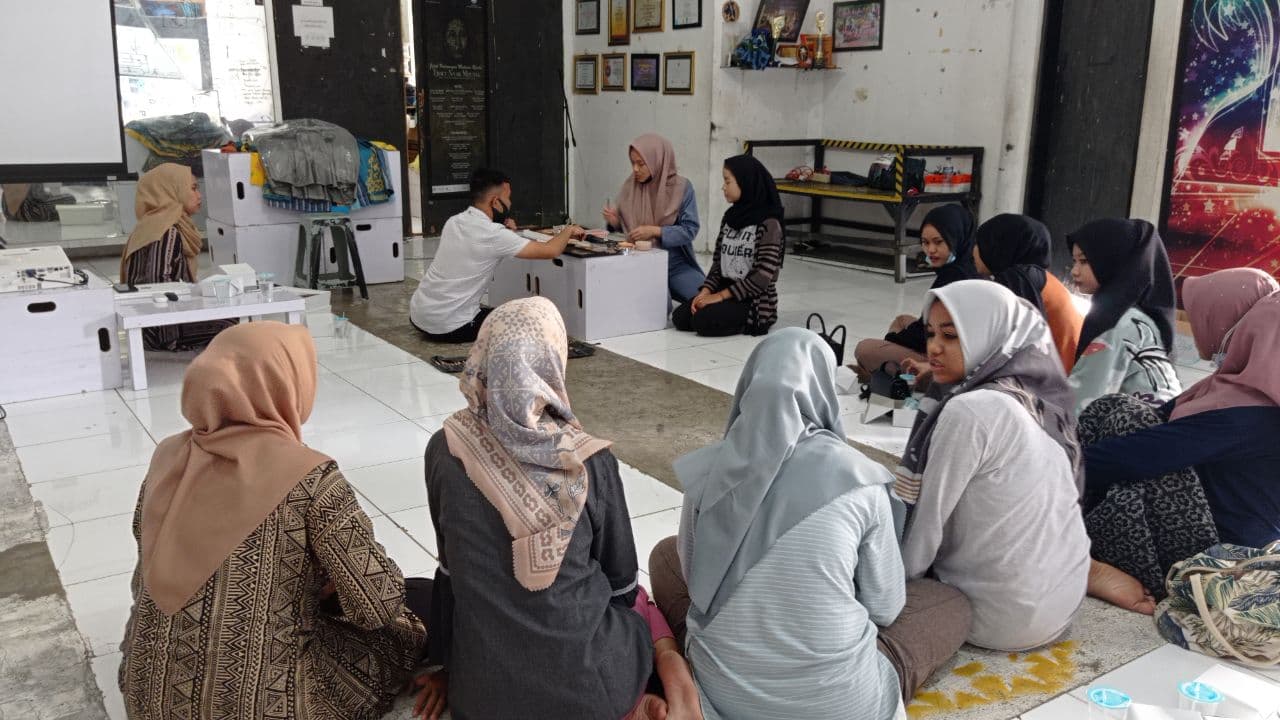
Figure 1: Provide Material to Training Participants
(Source: Fauzul)
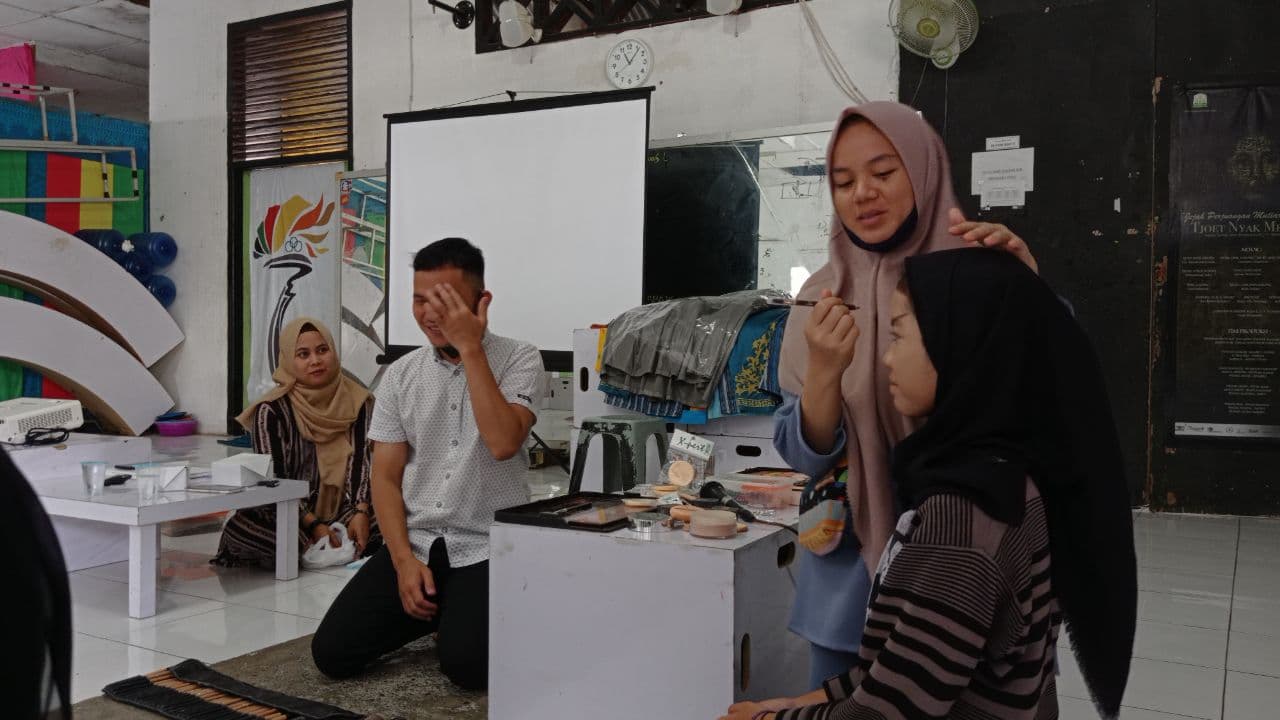
Figure 2: Give an Example of Makeup to the Model
(Source: Fauzul)
exhibited. If people express happiness, cheerfulness, and joy during mutual help activities, the makeup should be a beautiful stage. If the theme focuses on lazy children and family, the pessimistic child should stimulate the makeup used. Therefore, the choreographer should opt for pessimistic makeup. Beautiful and pessimistic makeups certainly have their differences and deliver different impressions in the eyes of the spectators.
The training content included basic makeup techniques, various kinds of eyebrow shapes, beautiful makeup, dashing makeup, sadistic makeup, pessimistic makeup, old makeup, plant fantasy makeup, and animal fantasy makeup. The content was not specific so that the participants could choose one of the makeup used in a dance. However, examples were provided to guide the participants to develop their makeup creatively and incorporate it into their dance.
The creative process usually includes sensory capture, current feeling, exploration of observations and feelings, the connection of images between empirical experiences (present and past), and actions unifying all elements in creating the art [3]. The training would equip the participants with empirical experiences for their when choosing makeup for their future dance.
In addition to makeup, the choreographer needs to carefully consider dance costumes relevant to the theme. The choreographer who offered a dance about happy children in teamwork should wear costumes that have stand out accessories and bright colors. Those who offer a dance about lazy children should put on costumes with dark colors, and no overcolored accessories should be added to their clothes. The more prominent characters could be observed if the choreographer decides to go with the environment theme.
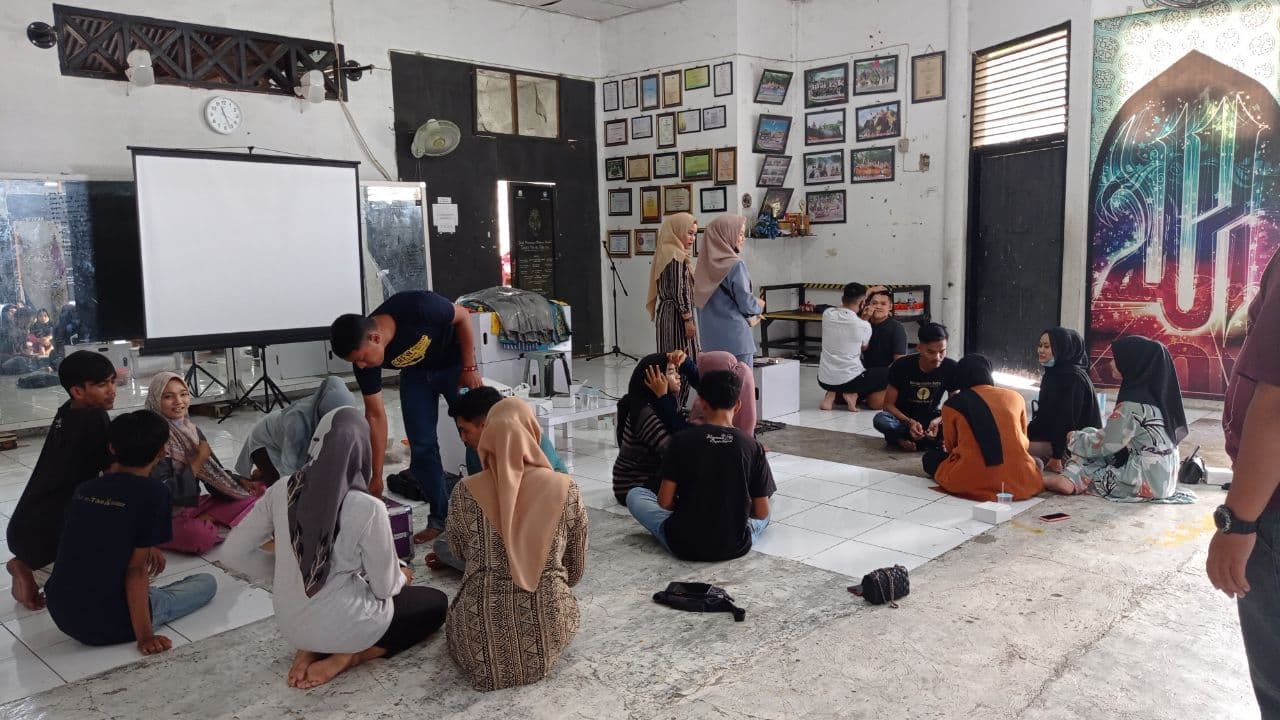
Figure 3: Practicing Do Make-Up
(Source: Fauzul)
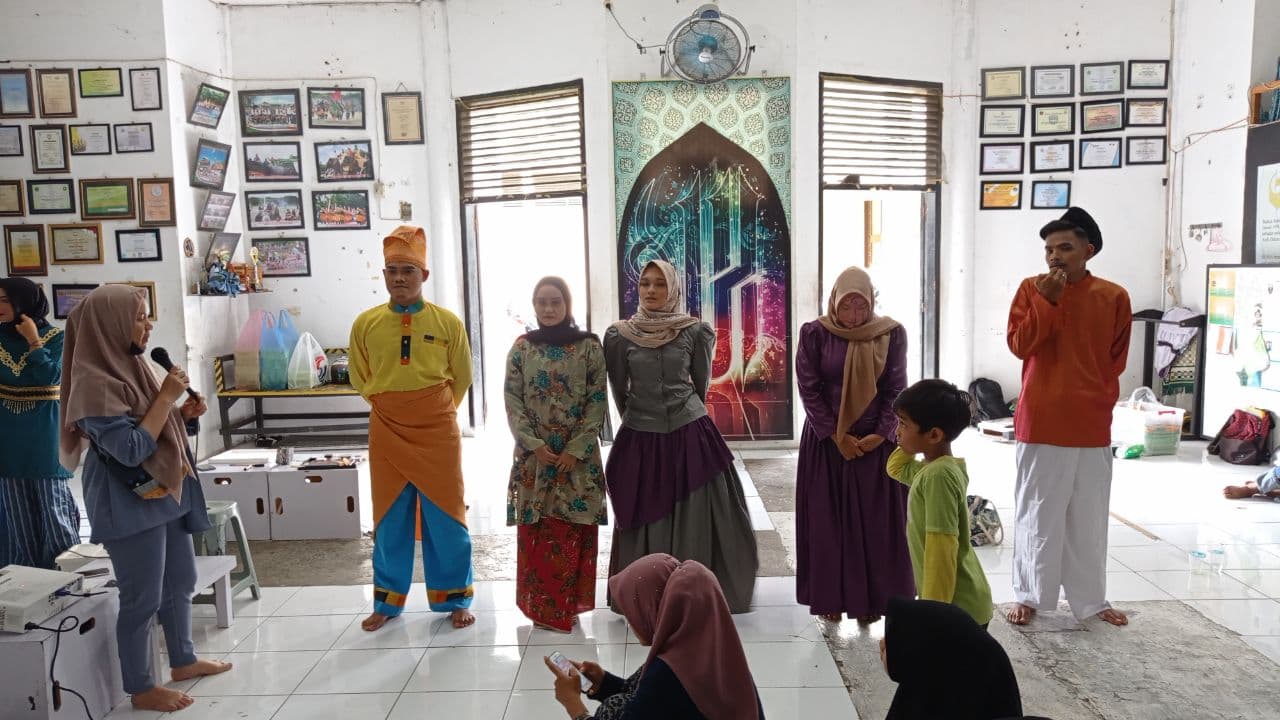
Figure 4: Practiced Make-Up and Clothing
(Source: Fifie)
The costume can be decorated with natural ornaments such as leaves, flowers, and animal features.
The content about costume synchrony delivered in training includes costume creation of beautiful stage, dashing stage, old makeup, animal fantasy, and floral fantasy. Generally, costumes can be created by altering, reducing, and attaching something to the existing traditional and dance costumes, especially the dance used as a reference for their creation. Other alternatives are designing new costumes customized to the concept and theme of the dance. For example, a dance that imitates parents or grandparents, old makeup costumes can be created in black pants and shirts, songket, kebaya shirt, sarong, and scarf.
Like the makeup training, content about costumes was given in the form of a demonstration with the help of a model. This method is very effective in obtaining an overview of the expected achievements of the activities. Significant improvement can be observed from the knowledge of the training participants before and after the training. The simulation carried out by the participants also showed notable progress in improving their skills. The direct learning model used in training played a vital role in this success. Ridho in Ulaya Sovie explains that the direct learning model is a learning model that utilizes a teaching approach that can help trainees learn necessary skills by directly obtaining step-by-step knowledge.
The entire series of training activities for makeup, costumes, and theme synchrony should provide participants with practical knowledge and experiences. The studio members consisting of school and university students, may one day become a choreographer. They can apply the knowledge when creating a new dance, especially a creative dance with a certain theme. The creation of dance is not only necessarily based on the formation and arrangement of movements, but also considers the elements of makeup and costumes that are synchronized with the concept of the dance. New creative dances with various shapes and colors will emerge.
The training result will provide the solution to each art festival's current problems, mainly dances in Aceh. The choreographers always use the same makeup and costumes, even though the dances' concept and theme are different. As a result, the dances performed neither diverse nor creative. The assessment should be given to the choreographer's creativity level, either individually or in a team, in creating a new dance that varies according to the theme. Finally, the synchronization of makeup and costume with the dance concepts and themes also adds to the diversity of creative dance in Aceh whose appearance supports the dance's atmosphere presented on the stage.
In the future, young artists' creative dances in Aceh will be more diverse and colorful and offer qualities that could compete with other regions in Indonesia. Improved knowledge and understanding of dance among young Acehnese artists or choreographers mean that they will be able to pour their ideas into new and creative dances. These new dances may become vocabularies or dance repertoire for the Acehnese people in the future. The participants in this training will be a starting point, and they will introduce the forms of dance in harmony with movement, music, makeup, and costumes as an indirect reference to the audience if the knowledge is appropriately applied when creating the dance.
As the government center of Aceh, Banda Aceh has ultimately contributed as the art outset in the existence of Aceh traditional art. The development of art study, especially dance art, which rapidly moves along with globalization, has brought Acehnese people into contact with the creation of contemporary arts. This, in fact, is shown by the growing number of arts and creativity events held, both in the form of festivals and creative art competitions. This development has indeed made a considerable impact on the life of the artists in Aceh.
The number of participants who have been keen on participating in art festival activities in Aceh verifies that the spirit of art and aspiration of Acehnese people to develop and preserve their art is considerably substantial. Nevertheless, there has been a great deal of similarity in terms of makeup and dance costumes being contested while the titles and dance themes are different. This suggests that the active involvement from most artists in Aceh, particularly the young ones, who are the attendances of art festivals, do not go hand in hand with sufficient knowledge and expertise in dance.
The fact is that anyone can create dance; not only artists who possessed an academic background in said field but self-taught artists who do not pursue art education can also make a work of dance. However, whoever they are should bear into mind that they must have the profound knowledge to inevitably understand the elements of dance. Dance is not only a motion that comes along with music, but it also needs to be equipped with other elements, including makeup and attires, that properly fit the concept of dance. Therefore, this training in synchronizing makeup and dance costume was carried out to equip young artists in Aceh.
The training covered the presentation of relevant topics and materials and the demonstration of dance illustrations related to the makeup and dance costumes based on the themes of the dance. Trainees were divided into groups and equipped with a set of makeup tools that can be used during practice. After the oral presentation, participants were then directed to practice how to perform various makeup applications according to the theme of dance with the direction from the presenters. It aimed to test their understanding of the materials provided. Besides, it also helped the participants to make necessary adjustments between materials and practices.
This activity was conducted in Sanggar Buana studio in Banda Aceh. The studio is located in Taman Seni dan Budaya (Art and Cultural Center), Banda Aceh. Sanggar Buana studio consists of school, and university students resided Aceh. Presumably, by organizing the training program, the solutions in the synchronization issue of makeup and dance costume that often occurs during dance festivals in Aceh could be overcome. Moreover, it was also hoped that the members of Buana studio, in particular, would be able to apply the knowledge learned to produce new dance works contested in dance festivals in the hope that dance creations in Aceh become vividly alive according to themes and dance concepts and is in harmony with Islamic teachings as well.
Suggestions
By participating in the training in the synchronization of makeup and dance costume of the creation (stage) dance in Buana studio, Banda Aceh, the participants are expected to perceive and implement it in a real-life situation. The participants are all members of the studio varied from school and university students in Aceh, who, presumably will be able to productively create the next dance work after joining the program, especially when participating in competitions or dance festivals, so that the assessment process can also be more objective and selective. Furthermore, it is also hoped that this training can educate young artists in promoting and preserving arts, mostly dances in Aceh, through which they can learn and share their knowledge to ensure the quality of dance works created in Aceh is improved.
Acknowledgment
Thanks to LPPMPMP ISBI Aceh as the organizer of research and community service in ISBI Aceh in 2020
Thanks to Sanggar Buana studio, Banda Aceh, as the cooperation partner in the training program
Thanks to all the participants involved in the training program
Sumaryono. Restorasi Seni Tari dan Transformasi Budaya. Elkaphi, 2003.
Daryusti. Lingkaran Lokal Genius dan Pemikiran Seni Budaya. Cipta Media, 2010.
Gusmail, S., Nugra, P. D. and Airiansyah, F. “Peningkatan kreativitas pengelolaan unsur-unsur gerak tari di Aceh Besar.” DESKOVI: Art and Design Journal, vol. 2, no. 1, 2019, pp. 53–58.
Hidajat, R. Koreografi & Kreatifitas. Kendil Media Pustaka Seni Indonesia, 2011.
Nugra, P. D. “Fenomena insomnia sebagai rangsang penciptaan karya tari tidak tidur.” Puitika, vol. 14, no. 1, 2018, pp. 39–51.
Sukman, F. F. and Gusmail, S. “Existence of Ratoh Bantai dance in the Studio of Buana Banda Aceh.” Ekspresi Seni: Jurnal Ilmu Pengetahuan dan Karya Seni, vol. 21, no. 2, 2019, pp. 175–185.
Ulaya Sovie, A. P. R. I. L. I. A. “Pelatihan tata rias wajah panggung bagi penari di Sanggar Tari Kreasi Dancer Sidoarjo.” Jurnal Tata Rias, vol. 7, no. 1, 2017.