Contents
Download PDF
pdf Download XML
1957 Views
201 Downloads
Share this article
Research Article | Volume 3 Issue 1 (Jan-June, 2022) | Pages 1 - 5
Prevalence and Molecular Detection of Listeria Monocytogenes from Raw Cow Milk and Poultry Droppings in Jos, Nigeria
 ,
 ,
 ,
 ,
 ,
 ,
 ,
1
Department of Microbiology, Faculty of Natural Sciences, University of Jos, Jos-Nigeria
2
Biotechnology Centre, National Veterinary Research Institute, Vom, Plateau State, Nigeria
3
AIDS Prevention Initiative Nigeria, Jos University Teaching Hospital
4
Department of Microbiology, Faculty of Natural Sciences, Ahmadu Bello University, Zaria
Under a Creative Commons license
Open Access
Received
Dec. 6, 2022
Revised
Jan. 22, 2023
Accepted
Jan. 31, 2023
Published
Feb. 10, 2023
Abstract

ackground/Aim: Listeriosis caused by Listeria species, is one of the emerging bacterial zoonotic diseases worldwide. Listeria monocytogenes is of veterinary and public health significance among the different species of Listeria known. L. monocytogenes has been identified from various food sources both of plant and animal origin. This study aimed to determine the prevalence of L. monocytogenes from both raw cow milk and poultry “droppings” in Jos, Nigeria. This was a cross-sectional study were 150 samples, comprising of 80 samples of raw cow milk and 70 samples of poultry “droppings” were collected and examined using cultural and biochemical tests for the identification of Listeria species other than L. monocytogenes while in addition PCR was used for the identification of L. monocytogenes. Out of the 80 raw cow milk and 70 poultry “droppings” collected and examined, 6(7.50%) and 4(5.71%) were positive for L. monocytogenes respectively. In total, four species of Listeria were identified including L. ivanovii (10.67%), L. monocytogenes (6.67%), L. grayi (4.67%) and L. welshimeri (2.00%). Of the 10 L. monocytogenes subjected to polymerase chain reaction, 50% were confirmed as L. monocytogenes. This study has confirmed L. monocytogenes and L. ivanovii as the most prevalent species in raw cow milk and poultry “droppings” therefore proper pasteurization and hygiene practices should be put in place to avert the dangers of consuming contaminated milk. More so, proper use and disposal of poultry “droppings” should be observed strictly.

Keywords
INTRODUCTION

Listeriosis, a disease cause by Listeria SPP has been considered to be of public health concern [1]. The disease listeriosis was recognized in 1924 among laboratory animals in Cambridge and was found to be associated with Listeria monocytogenes [2]. Later, it was apparent that the disease also affects humans, and the increase in number of human cases in several countries in the 1980s and with the evidence for food borne transmission, there was much renewed interest in this disease [3,4].


L. Monocytogenes is a Gram positive, psychrotrophic opportunistic pathogen, known to cause septicemia, meningoencephalitis and miscarriages in humans and animals, primarily in new-born, elderly, pregnant, and immunocompromised individuals [5]. The consumption of green foods (vegetables) contaminated with L. Monocytogenes has been identified as the main transmission route for this pathogen in humans especially when the vegetables are grown using contaminated manures as fertilizers [6]. The organism is an intracellular parasite [7], halotolerant, and capable of surviving at pH values less than 4.4 and as a consequence, it has been isolated from a variety of sources including milk and other dairy products [8] and poultry wastes [6].


The presence of L. Monocytogenes in milk is a cause for concern, as such could constitute health hazard to consumers. A freshly fermented milk-cereal mix (Fura da nono) is a street-vended, ready to eat food, obtained by pasteurizing raw milk collected from cattle, sold and consumed mostly in Northern Nigeria. In Nigeria, about 90% of the dairy cattle belong to the Fulani agro-pasturalists and their women strictly control the processing and marketing of their milk products [9, 10]. Most of   these   women   have   no   ormal education and knowledge on critical control points of food production. Spontaneous fermentation of this product depends on the natural organisms present on raw materials and equipment, the hands of producers and the local environment increasing the chances of contamination by pathogens. Several microorganisms have been incriminated to be present in raw milk and milk products (cheese and yoghurt) that are of public health importance. They are capable of causing food borne illnesses after ingestion of contaminated milk of these products, these organisms range from viruses, rickettsia, bacteria, protozoan and parasitic organisms to their toxins [11]. L.  monocytogenes, Escherichia coli O157:H7 and Salmonella spp. are among the most dangerous food borne bacterial pathogens in terms of human health and disease [12].

In the same vein, intensification of poultry farming and the subsequent reliance on their wastes as fertilizer has been cautioned [6], as this has promoted pathogenic bacteria such as L. Monocytogenes, Salmonella species, Yersinia enterocolitica in the environment [6]. By and large, modern day poultry farming employ diverse antibiotics and vitamin supplements to boost productivity, withstand diseases and weather conditions. However, the unregulated levels of antibiotic administration are worrisome as this has played a major role in the emergence of drug-resistant organisms which could be passed along the food chain and alter the normal microbiota of any system. Therefore, this study aimed to determine the prevalence of L. Monocytogenes from raw cow milk and poultry droppings in Jos, Nigeria. 

MATERIALS AND METHODS

Study Area and Study Design

This was a cross-sectional study carried out across different farms and markets in Jos North and Jos South local government areas in Jos, capital of Plateau State, Nigeria. Samples were randomly collected to determine the prevalence of L. monocytogenes in Jos, Nigeria.


Collection of Samples

A total of one hundred and fifty (150) samples were collected for this study. Eighty (80) samples of raw cow milk were purchased from 8 different locations and seventy (70) samples of fresh poultry droppings were collected from seven (7) poultry farms all within Jos metropolis. The samples were kept at refrigeration temperature until they reached the laboratory for analysis.


Analysis of Samples

Analysis of the samples was done in four phases - Pre-enrichment, Selective enrichment,

 Selective plating and identification. 


Pre-enrichment (Cold Enrichment)

One gram (1 g) of each of the faecal samples was weighed out aseptically and homogenized in 9ml of 0.1 % peptone water; (1 part to 9 parts peptone water). Also, 1ml each of the raw cow milk samples was measured and homogenized in 9mls of 0.1% peptone water.  The homogenates were then stored in a refrigerator at 4oC for 48 hours [13].


Selective enrichment

One millilitre (1ml) of each of the pre-enriched samples was transferred into 9ml of University of Vermont Listeria enrichment broth (UVM) with supplement SR140 (Oxoid CM 856) and incubated at 30oC for 72 hours as recommended by Curtis et al., [14].


Selective Plating

Plating of the selectively enriched sample was carried out following the methods adopted by Mawak et al., [15].  Briefly, using a sterile wire loop, the broth culture was inoculated onto Listeria selective medium agar base plates (Oxford formulation) with supplements Oxoid CM 856 and SR140, and incubated at 350C for 48 hours under anaerobic conditions. Typical colonies of Listeria were then examined after 48 hours incubation. 


Identification of Isolates

Three days after periodic subculture of the broth cultures onto Listeria selective medium plates (Oxford formulation - Oxoid), resultant isolates were collected. The selection of colonies for morphological and biochemical characterization was based on the black zones around suspected colonies due to formation of black iron phenolic compounds derived from the aglucon content of the selective medium [15]. The suspected Listeria isolates were identified based on Gram staining, tumbling motility, and biochemical tests including catalase, oxidase, Christie, Atkins, and Munch-Peterson test (CAMP), haemolytic characteristics and carbohydrate utilization (Lactose, xylose, manitol, and rhamnose). Presumptive L. monocytoogenes isolates were preserved for polymerase chain reaction identification. 


Polymerase Chain Reaction identification of L.  monocytogenes 


Isolates were subjected to PCR confirmation by extracting bacterial genomic DNA using the Quick-g DNA™ miniprep kit, (Zymo Research, SA) following the manufacturer’s instructions. The primer pairs designated as LM1 and LM2 (forward-5′ GCTGAAGAGATTGCGAAAGAAG-3′and reverse-5′CAAAGAAACCTTGGATTTGCGG-3′, 390bp) were used for the detection of L. Monocytogenes harbouring prs gene [16]. The PCR amplification was carried out in a 25 μL reaction mixture that consisted of 5 μL of 5x PCR buffer, dNTPs (0.5 μL), MgCl2 (2 μL), Taq DNA polymerase (0.5 μL), 0.5 μL of the primer, 13 μL of distilled water, and 2 μL of DNA template. PCR amplification was carried out in a programmed thermocycler with the following thermal conditions: hot start PCR plate at 95°C for 3 mins, followed by 35 cycles each of 30 seconds denaturation at 94°C, 15 seconds annealing at 53°C, 90 seconds extension for 72°C, and final extension at 72°C for 7 minutes.


Following PCR amplification, about 5 μL of the PCR product was mixed with DNA loading dye (6x) and electrophoresed in 1.0% agarose gel in TAE buffer using a minitank at 80V, 400 amp, and 45 min. The electrophoresed product on the gel was stained with ethidium bromide for 30 min, destained for 20 min, and visualized under UV illuminator. A 100bp DNA ladder (Inqaba, South Africa) was included to estimate the size of the amplified product. A PCR reaction mixture without DNA template was used as negative control


RESULTS

Prevalence of Listeria monocytogenes in Raw Milk and Poultry Droppings:

A total of 150 raw cow milk samples and poultry droppings were collected from different markets and farms in Jos metropolis in order to assess the prevalence


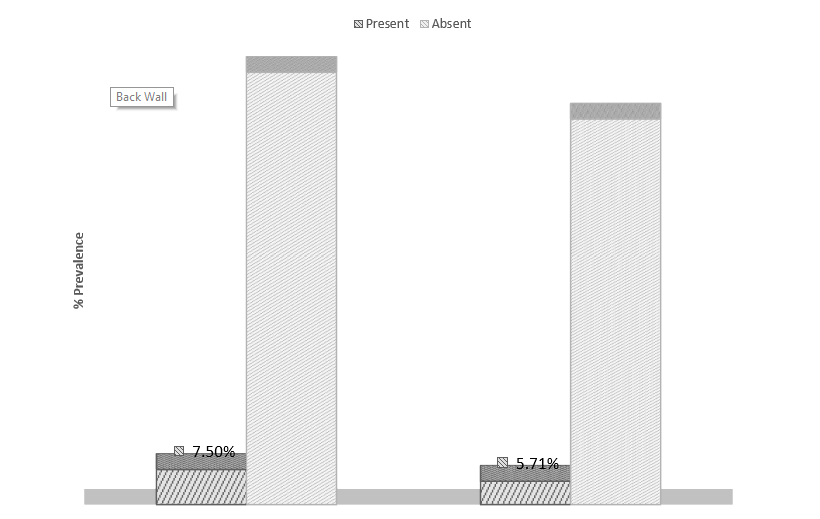
Figure 1: Prevalence of Listeria monocytogenes in Raw Cow Milk and Poultry Droppings in Jos Metropolis, Nigeria


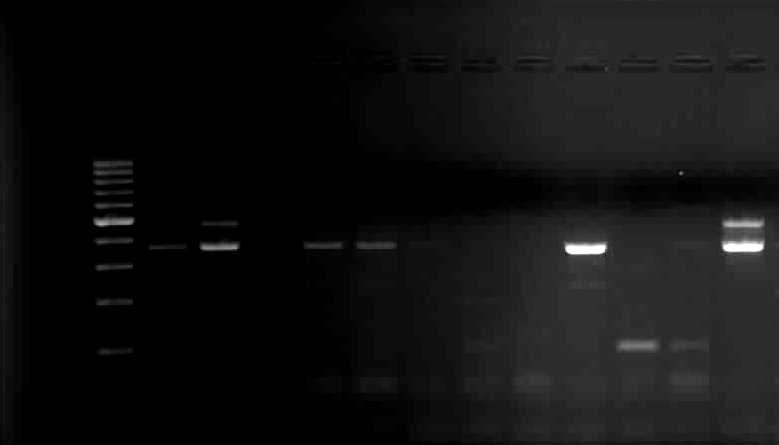
Lane MWL: 100bp Molecular Weight Ladder; Lane 1-10: Isolates; Lane NC: Negative Control; Lane PC: Positive Control.


Figure 2: Agarose Gel Electrophoresis Result for PCR following the Implication of prs gene


 Table 1:      Distribution of Listeria species in Raw Cow Milk and Poultry Droppings in Jos Metropolis, Nigeria

Listeria species

No. in raw milk (%)

No. in poultry droppings (%)

Total No. of occurrence (%)

L. Monocytogenes

6 (7.50)

4(5.71)

10(6.67)

L. Ivanovii

10 (12.50)

6(8.577)

16(10.67)

L. Grayi

4(5.00)

3(4.29)

7(4.67)

L. Welshimeri

2(2.50)

1(1.43)

3(2.00)

Total

22(27.50)

14(20.00)

36(24.00)


of L. Monocytogenes. Out of these samples collected, 80 were raw cow milk and 70 were poultry droppings. L. Monocytogenes was detected in 7.50% samples of the raw cow milk and 5.71% of the poultry droppings (Fig 1).


Distribution of Listeria species in Raw Cow Milk and Poultry Droppings in Jos

Based on cultural characteristics and biochemical reactions, a total of 36 suspected Listeria species were isolated from 150 samples of raw cow milk and poultry droppings collected in Jos metropolis. The isolates were distributed between four species.  Listeria ivanovii had the highest prevalence of 16(10.67%) in both raw cow milk and poultry droppings, followed by L. Monocytogenes with prevalence of 10(6.67%) and L. Grayi with 7(4.67%). Listeria welshimeri had the lowest prevalence of 3(2.00%) in both samples of raw Cow milk and poultry droppings (Table 1).


The ten (10) Listeria monocytogenes isolates were subjected to PCR confirmation, out of which five (5) were confirmed to be L. Monocytogenes (Figure 2).

DISCUSSION

Listeriosis has been recognized to be one of the emerging zoonotic diseases during the last few decades contracted mainly from the consumption of contaminated foods and food products. Increasing evidence suggests that substantial portions of cases of human listeriosis are attributable to the food borne transmission of L. Monocytogenes [17]. Similarly, poultry farming and the subsequent reliance on poultry faeces as fertilizer has been cautioned as this has promoted pathogenic bacteria such as L. Monocytogenes, Salmonella species, Yersinia enterocolitica in the environment [6].


A total of 80 samples of raw cow milk and 70 samples of poultry droppings were collected for this study. Of the 80 raw milk samples collected, 6(7.50%) were positive for L. Monocytogenes. This result is similar with the finding of [18] who reported 6.90% prevalence of L. Monocytogenes from unpasteurized milk in Northern Nigeria and the reports of [19] who also documented 6.55% prevalence of L. Monocytogenes in raw milk and milk products in Kaduna. This finding is in agreement with the reports from researchers who isolated the organism in unpasteurized milk and other products [20].


A report by Yakubu et al., [21] shows a prevalence of 22.4% from 192 samples of raw milk from cattle herds within Sokoto Metropolis, Nigeria. The difference observed in the isolation rates could be attributed to the differences in locations, the health care given to the cattle as well as precautions taken by milk handlers. More so, the cattle rearing practice by the herdsmen in the study areas might be a contributing factor to the increase or decrease in the prevalence of the organism as herdsmen could have been conscious of hygiene practices and have been consulting veterinary doctor for adequate health service as noted by [18].


Of the 70 samples of poultry droppings collected, 4(5.71%) were positive for L. Monocytogenes. Similar studies from the same geographical region reported a prevalence of 42% [13] in poultry faeces and 22.5% [6] in broilers, spent layer, local chickens and turkey. Differences in sample size, type of birds examined and the isolation methods adopted could be responsible for the observed difference. This finding further corroborates previous reports that L.  monocytogenes is an important food-borne pathogen and is widely distributed in food, environmental and clinical samples [22]. Generally, prevalence of L. Monocytogenes from developed countries such as China is very low (0.23% to 1.2%) [23] and this may be attributed to proper and good hygiene practices in farming practices and also use of technologies [18].


Proportions of different Listeria species were also assessed and presented. Four species of Listeria were identified in this study; Listeria ivanovii, Listeria grayi, Listeria monocytogenes, and Listeria welshimeri with L. Ivanovii having the highest total occurrence of 10.67% in both samples of milk and poultry droppings. This result is similar with the findings of Musa et al., [24] who identified similar species of Listeria in milk with Listeria ivanovii having the highest occurrence of 61.1%. In a study by Salihu et al., [22], they identified Listeria innocua, Listeria ivanovii, Listeria monocytogenes, Listeria welshimeri and Listeria seeligeri with L.monocytogenes having the highest occurrence (22.40%) from sample of smoked fish in Sokoto. Mawak et al., [15] isolated three (3) species of Listeria including L. Monocytogenes (23.08), L. Grayi (5.49%) and L. murrayi (1.11%) from faeces of domesticated poultry in Jos, Plateau state. The disparity in the species of Listeria identified may be due to differences in identification techniques, study population, season of sample collection, hygiene practices of farmers and farming management practices; including the use of antibiotics as feed supplements and boosting of production. 


Cultural and biochemical analysis of 150 raw cow milk and poultry droppings identified 10 L. Monocytogenes isolates and were subjected to PCR; out of which five (5) were confirmed to be L. monocytogenes by detection of the 370bp amplicon of prs gene. Polymerase chain reaction has proved to be a very useful and rapid method for detection of Listeria [25]. This result suggests that cultural and biochemical method for detecting L. Monocytogenes may not be very specific and may not give the true prevalence of Listeria species in a sample. Therefore, more specific molecular methods such as PCR must be used when evaluating L. Monocytogenes contamination of food samples [26]. The importance of molecular methods for identification and typing of organisms has also been emphasized by other authors. It has been suggested that molecular methods are useful not just for accurate identification, epidemiological and trace-back investigations, but also for understanding the diversity and evolution of the organism [16,27,28], was of the opinion that although the conventional cultural and biochemical methods of identification are standard, they can sometimes give false positive results.

CONCLUSION

This study has identified L. Monocytogenes and L.  Ivanovii as the most prevalent species from the samples of raw cow milk and poultry droppings in Jos, Nigeria. The prevalence of L. Monocytogenes observed in this study would contribute to baseline data for further research into more genetic markers and antimicrobial resistance surveillance of L. Monocytogenes in raw cow milk and poultry farm products in Nigeria. Therefore, we strongly recommended that proper pasteurization and hygiene practices be put in place to avert the dangers of consuming contaminated milk. More so, proper use and disposal of poultry droppings should be observed strictly.


Acknowledgment

We would like to acknowledge the immense contributions of all the farmers who gave us permission to use their farms as sample sites and staff and management of Biotechnology Centre, National Veterinary Research Institute, Vom, Plateau State, Nigeria for given the permission and support to carry out the bench work at the Institute.

REFERENCE
  1. Characterization of Listeria Species in ‘Wara,’ a West African Local Cheese Sold in Ekiti State.” International Journal of Current Microbiology and Applied Sciences, vol. 5, 2016, pp. 941–948.

  2. Murray, E.G.D., et al. “A Disease of Rabbits Characterized by a Large Mononuclear Leucocytosis, Caused by a Hitherto Undescribed Bacillus Bacterium Monocyto-genes (N.sp.).” Journal of Pathology and Bacteriology, vol. 29, 1926, pp. 407–439.

  3. McLauchlin, J. “The Relationship between Listeria and Listeriosis.” Food Control, vol. 7, 1996, pp. 187–193.

  4. McLauchlin, J. “The Role of the PHLS in the Investigation of Listeriosis During the 1980s and 1990s.” Food Control, vol. 7, 1996, pp. 235–239.

  5. Rossmanith, P., et al. “Detection of Listeria monocytogenes in Food Using a Combined Enrichment/Real-Time PCR Method Targeting the prfA Gene.” Research in Microbiology, vol. 157, 2006, pp. 763–771.

  6. Chukwu, O.O., et al. “Listeria monocytogenes and Other Listeria Species in Poultry Faeces Applied as Manure on Farmlands: Environmental Health and Food Safety.” Nigeria Journal of Biotechnology, vol. 15, no. 1, 2006, pp. 52–59.

  7. Dowe, M.J., et al. “Listeria monocytogenes Survival in Soil and Incidence in Agricultural Soils.” Journal of Food Protection, vol. 60, 1997, pp. 1201–1207.

  8. Jamali, H., et al. “Prevalence, Characterisation, and Antimicrobial Resistance of Listeria Species and Listeria monocytogenes Isolates from Raw Milk in Farm Bulk Tanks.” Food Control, vol. 34, 2013, pp. 121–125.

  9. Chukwuma, M. “Furors over Animal Milk Products Rage.” World Journal of Microbiology and Biotechnology, vol. 5, 2009, pp. 23–30.

  10. Okeke, K.S., et al. “Microbiological Quality of Dairy Cattle Products.” British Microbiology Research Journal, vol. 4, 2014, pp. 1409–1417.

  11. Leriche, V., and B. Carpentier. “Limitation of Adhesion and Growth of Listeria monocytogenes on Stainless Steel Surfaces by Staphylococcus sciuri Biofilms.” Journal of Applied Microbiology, vol. 88, 2000, pp. 594–605.

  12. Hood, S.K., and E.A. Zottola. “Adherence to Stainless Steel by Foodborne Microorganisms During Growth in Model Food Systems.” International Journal of Food Microbiology, vol. 37, 1997, pp. 145–153.

  13. Pagotto, F., et al. “Enumeration of Listeria monocytogenes in Food.” Health Canada, 2004, pp. 1–15.

  14. Curtis, G.D.W., et al. “Differential Medium for the Isolation of Listeria monocytogenes.” Letters in Applied Microbiology, vol. 8, 1989, pp. 95–98.

  15. Mawak, J.D., et al. “The Occurrence of Listeria monocytogenes in Faeces of Domesticated Poultry.” Biology Research, vol. 4, no. 2, 2006, pp. 109–112.

  16. Doumith, M., et al. “Differentiation of the Major Listeria monocytogenes Serovars by Multiplex PCR.” Journal of Clinical Microbiology, vol. 42, 2004, pp. 3819–3822.

  17. Molla, B., et al. “Listeria monocytogenes and Other Listeria Species in Retail Meat and Milk Products in Addis Ababa, Ethiopia.” Ethiopian Journal of Health Development, vol. 18, 2004, pp. 131–212.

  18. Faeji, C.O., et al. “Assessment of Listeria monocytogenes in Unpasteurized Milk Obtained from Cattle in Northern Nigeria.” Journal of Microbiological Research, vol. 6, no. 1, 2016, pp. 23–27.

  19. Usman, U.B., et al. “Isolation and Antimicrobial Susceptibility of Listeria monocytogenes from Raw Milk and Milk Products in Northern Kaduna State, Nigeria.” Journal of Applied Environmental Microbiology, vol. 4, 2016, pp. 46–54.

  20. Haruna, F. “Listeria monocytogenes and Infection.” Bacteriological Reviews, vol. 31, 2002, pp. 101–107.

  21. Yakubu, Y., et al. “Prevalence and Antibiotic Susceptibility of Listeria monocytogenes in Raw Milk from Cattle Herds Within Sokoto Metropolis, Nigeria.” Sokoto Journal of Veterinary Science, vol. 10, no. 2, 2012, pp. 13–17.

  22. Salihu, M.D., et al. “Occurrence of Listeria monocytogenes in Smoked Fish in Sokoto, Nigeria.” African Journal of Biotechnology, vol. 7, 2008, pp. 3082–3084.

  23. Ning, N., et al. “Pilot Survey of Raw Whole Milk in China for Listeria monocytogenes Using PCR.” Food Control, vol. 31, 2013, pp. 176–179.

  24. Musa, B., et al. “Detection of Listeria Species and Staphylococcus aureus in Smoked Fish Sold Within Ahmadu Bello University Main Campus Samaru, Zaria.” Umaru Musa Yaradua University Journal of Microbiology Research, vol. 5, no. 2, 2020, pp. 81–86.

  25. Mansouri-Najand, L., et al. “Prevalence of Listeria monocytogenes in Raw Milk in Kerman.” Iranian Journal of Veterinary Research, vol. 6, 2015, pp. 223–226.

  26. Ezeonu, I.M., et al. “Molecular Characterization of Listeria monocytogenes Isolated from a Ready-to-Eat Fermented Milk and Cereal Product, Fura-de-Nunu.” African Journal of Microbiology Research, vol. 12, no. 19, 2018, pp. 448–455.

  27. Laksanalamai, P., et al. “Genomic Characterization of Novel Listeria monocytogenes Serotype 4b Variant Strains.” PLoS ONE, vol. 9, 2014, doi:10.1371/journal.pone.0089024.

  28. Nwaiwu, O. “An Overview of Listeria Species in Nigeria.” International Food Research Journal, vol. 22, 2015, pp. 455–464.

License
CC BY-NC-ND
Creative Commons Attribution-NonCommercial-NoDerivatives 4.0 International License
Prevalence and Molecular Detection of Listeria Monocytogenes from Raw Cow Milk and Poultry Droppings in Jos, Nigeria © 2026 by Gloria Albert Goyil, Jude Yunzoom Nkup, Andrew Dinchi Tyem, Rukaiyat Adamu, Zakari Hashimu, John Danjuma Mawak, Joseph Anejo-Okopi, F Abubakar licensed under CC BY-NC-ND 4.0
All papers should be submitted electronically. All submitted manuscripts must be original work that is not under submission at another journal or under consideration for publication in another form, such as a monograph or chapter of a book. Authors of submitted papers are obligated not to submit their paper for publication elsewhere until an editorial decision is rendered on their submission. Further, authors of accepted papers are prohibited from publishing the results in other publications that appear before the paper is published in the Journal unless they receive approval for doing so from the Editor-In-Chief.
Himalayan Journal of Applied Medical Sciences and Research open access articles are licensed under a Creative Commons Attribution-Share A like 4.0 International License. This license lets the audience to give appropriate credit, provide a link to the license, and indicate if changes were made and if they remix, transform, or build upon the material, they must distribute contributions under the same license as the original.
Recommended Articles
Research Article
Study of the Role of Serum Interleukin-6 in Inflammation among Pregnant Women with COVID-19
Published: 27/07/2021
Download PDF
Research Article
Bones in Balance: Awareness of Rickets and Nutritional Deficiencies Among the Hamirpur Community
Published: 10/12/2024
Download PDF
Research Article
Assessing First Trimester Maternal Serum Pentraxin-3 Levels in Primary Unexplained Recurrent Pregnancy Loss: A Case-Control Study
Published: 28/02/2026
Download PDF
Research Article
Evaluation of Serum Heat Shock Protein 70 as a Diagnostic Biomarker for Ectopic Pregnancy: A Comparative Case-Control Study
Published: 28/02/2026
Download PDF
Flowbite Logo
Najmal Complex,
Opposite Farwaniya,
Kuwait.
Email: support@himjournals.com

Useful Links
Order Hard Copy
Privacy policy
Terms and Conditions
Refund Policy
Others
About Us
Team Members
Contact Us
Online Payments
Join as Editor
Join as Reviewer
Subscribe to our Newsletter
Follow us
MOST SEARCHED KEYWORDS
scientific journal
 | 
business journal
 | 
medical journals
 | 
Scientific Journals
 | 
Academic Publisher
 | 
Peer-reviewed Journals
 | 
Open Access Journals
 | 
Impact Factor
 | 
Indexing Services
 | 
Journal Citation Reports
 | 
Publication Process
 | 
Impact factor of journals
 | 
Finding reputable journals for publication
 | 
Submitting a manuscript for publication
 | 
Copyright and licensing of published papers
 | 
Writing an abstract for a research paper
 | 
Manuscript formatting guidelines
 | 
Promoting published research
 | 
Publication in high-impact journals
Copyright © Himalayan Journals . All Rights Reserved.