Nutrition plays a significant role in maintaining the immune system to prevent pathogen manifestation. There is no particular prevention or treatment folio for SARS-CoV-2 infection which is also referred to as COVID-19, yet most of the cases are concerned with symptomatic therapeutic strategies and supportive management. Nutrition, infection, and immunity are interlinked together. The risk along with the severity of infections is often determined by nutrients from various foods effecting immune competence, hence nutrition is the core of human health well-being. It is essential to improve self-resistance and elevate the body’s immunity. Diversified and adequate nutrients intake with a healthy lifestyle is the key approach to boost-up an individual’s immunity. Many macronutrients, micronutrients, and other nutrients in foods and diet usually promote healthy immune responses of individuals. Balanced nutrition including adequate vitamin C, vitamin A, vitamin D, and zinc have shown promising immune-boosting roles in viral respiratory infections and SARS-CoV-2 management.
Keywords
Nutrition
Sars-Cov-2 Infection
Referred to as COVID-19.
None
Key findings:
The abstract emphasizes the critical role of nutrition in supporting the immune system to prevent pathogen manifestation, particularly in the context of SARS-CoV-2 infection. It underscores the importance of diversified and adequate nutrient intake, highlighting specific nutrients like vitamin C, vitamin A, vitamin D, and zinc in enhancing immune responses.
What is known and what is new?
The abstract underscores the established link between nutrition, infection, and immunity, emphasizing the importance of a balanced diet in maintaining immune competence. It also highlights the role of specific nutrients like vitamin C, vitamin A, vitamin D, and zinc in boosting immunity against viral respiratory infections, including SARS-CoV-2, providing valuable insights into preventative strategies.
What is the implication, and what should change now?
Recognizing the crucial role of nutrition in bolstering immunity against infections like SARS-CoV-2 highlights the need for promoting balanced diets rich in essential nutrients. Public health initiatives should emphasize educating individuals about the importance of adequate vitamin C, vitamin A, vitamin D, and zinc intake to enhance immune function and mitigate the severity of viral respiratory illnesses.
INTRODUCTION:
The SARS-Cov-2 virus-infects the respiratory tract and causes acute respiratory distress syndrome (ARDS), leading to a high amount of mortality. The World Health Organization (WHO) declared COVID-19 as a pandemic on March 12, 2020. Up to May 12, 2020, the John Hopkins Coronavirus Resource Centre has recorded 4,175,284 confirmation cases, making the disease an emerging public health problem in all countries in the world which heightens the need for preventive and curative actions to avoid further spread of the disease. The magnitude of this public health problem is overwhelming with more than 180 countries affected by the disease. Countries have started to implement policies to contain the pandemic, including encouraging people to stay home and applying physical distance [1].
A number of factors have been identified leading to the progression of COVID-19 (15).
Individuals with underlying various comorbidities such as diabetes, hypertension,
Cardiovascular disease (CVD), liver and kidney disease, or cancer are prone to severe
COVID-19 infections and increased deaths are being reported within a very short time [2].The pathophysiology of the disease involves a cytokine storm and the activation of thrombotic pathways [3].
Obesity is a sign of excessive energy intake stored in the body, a situation that might increase micronutrient deficiency risk. People with obesity tend to have a lower vitamin D (1, 25-dihydroxy vitamin D/calcitriol) level, which plays a role in pathogenicity and inflammation. Therefore, nutrient shortage and malnutrition will increase disease severity. Low nutritional status is likely to be related to higher oxidative stress level and inflammation status that can impair immune function. The immune system is highly dependent on sufficient nutrient intake and diet consumed to be optimum [4].
Virus manifestation, micronutrient deficiency, and pre-existing comorbidities signify disease severity and increase mortality. The nutrition- deficiency-related factors might worsen disease severity, but information on disease prevention from the nutrition perspective is limited during this pandemic. Since COVID-19 is a new disease with so many undisclosed aspects, a comprehensive approach, including prevention, is needed to reduce the impact of the outbreak [5].
Nutrition is a vital element in modulating immune homeostasis in the individual [6]. Balanced nutrition is indispensable to prevent and manage viral infections by maintaining immunity [7].The immune responses have been shown to be deteriorated due to poor nutrition in COVID-19 affected patients [8].Balanced nutrition comes from diversified food sources and provides sufficient micronutrients and phytonutrients for maintaining immunity to withstand a short duration of weakness [7].
A balanced, optimal diet strengthens the immune response and supports the function of the immune cells not only by producing an effective response against pathogens, but also by resolving infections in a short time thus avoiding any further chronic inflammation [9].
However, a number of scientific notions have been published concentrating on the role of specific nutrients or diet in immune boosting and/or respiratory tract infections, but data regarding total nutritional support in COVID-19 infection are not meticulous yet [7].
Therefore, this article presents an overview of the role of some nutrients in SARS-CoV-2management,prevention and treatment.
Role of Nutrition in Sars-Cov-2 Infection
A recent study of management showed that proper nutritional advice is to decrease indemnities to the lungs due to coronavirus as well as other lung infections [10].The macronutrients, micronutrients, and phytonutrients in the diet, mainly sufficient meat, fish, egg, milk, green leafy vegetables, and colorful fruits and vegetables, largely promote healthy immune responses and balanced nutrition. Since no effective medicine (neither preventive or curative) is available yet to protect against COVID-19, balanced nutrition with a robust immune system is one of the most vital strategies [7].
Several micronutrients have been suggested to act as immunomodulatory agents against COVID-19 [11].
Role of Vitamin C in SARS-CoV-2 Infection
Vitamin C (ascorbic acid) is a water-soluble vitamin and an essential micronutrient for humans.
The main sources of vitamin C are citrus fruit, tomatoes, potatoes, and green leafy vegetables. The provision of dietary vitamin C is dependent on food preparation because it is easily destroyed by prolonged storage, overcooking, and processing of foods. Breast milk represents an adequate source of vitamin C for newborns and infants [12].
Several studies showed that mega doses administration of vitamin C lessened the flu-symptoms and regular supplementation showed a significant effect on common cold duration. Another study revealed that vitamin C declined the risk of common cold without producing any negative effects. Moreover, vitamin C also acts as an antihistamine to aid in respite from sneezing, running or stuffy nose, and swollen sinuses [7].
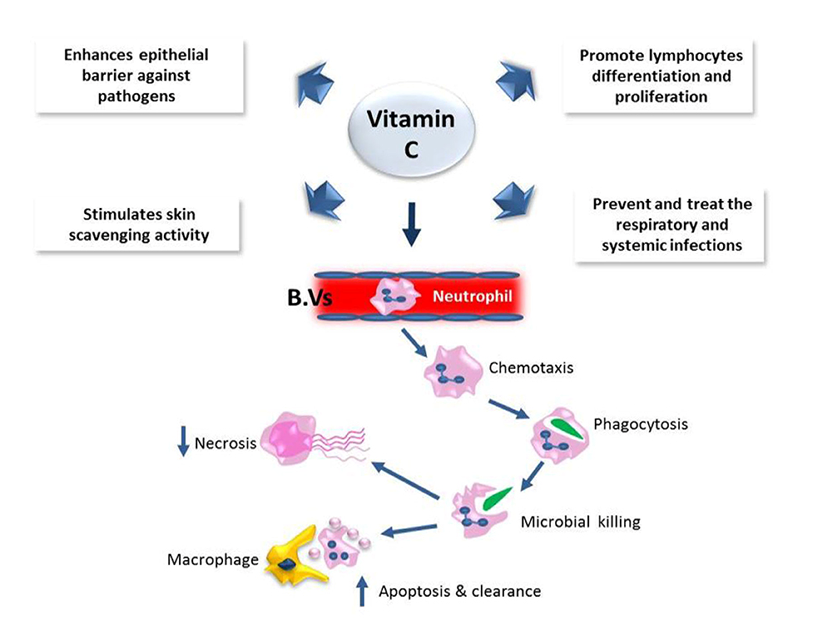
Vitamin C takes part in the development and functionality of various immune cells and the production of antibodies. The contribution of vitamin C in immune response has been suggested due to the enhancement of different cellular functions of innate and adaptive immunity. Vitamin C enhances the function of epithelial barrier against pathogens and stimulates skin scavenging activity to protect against the environmental oxidative stress. 13 In addition, it could accumulate in neutrophils to promote chemotaxis, phagocytosis and subsequent microbial killing. It is also required for apoptosis and neutrophil clearance from the infection sites, which resulted in a reduction of necrosis and possible tissue damage. In B and T lymphocytes, vitamin C might promote cellular differentiation and proliferation due to its gene-regulating activities [13].Therefore, infections may have a significant effect on the level of vitamin C because of inflammation enhancement. Interestingly, vitamin C supplementation seems to be able to prevent and treat respiratory and systemic infections [14]. Vitamin Cmay function as a weak anti-histamine agent to provide relief from flu-like symptoms such as sneezing, a runny or stuffy nose, and swollen sinuses [15]. (Figure 1)
Figure 1: The Role of Vitamin C in the Immune Defense [13]
Role of Vitamin D in SARS-CoV-2 Infection
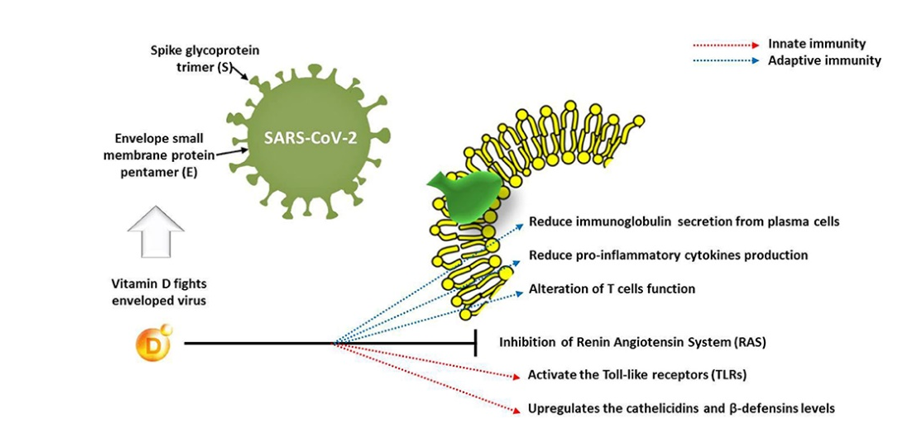
Vitamin D is fat soluble and acts like a hormone, usually synthesized in our body with exposure to sunlight [7]. Vitamin D is able to interact with the innate immune system via activating the toll-like receptors (TLRs) or upregulating the cathelicidin and β-defensin levels. However, it may interact with adaptive immunity through reduction of immunoglobulin secretion from plasma cells and production of pro-inflammatory cytokines, which alter the function of T cells [13] (Figure 2)
Figure 2: Effect of Vitamin D on Innate and Adaptive Immune Response in COVID-19 Patients [13]
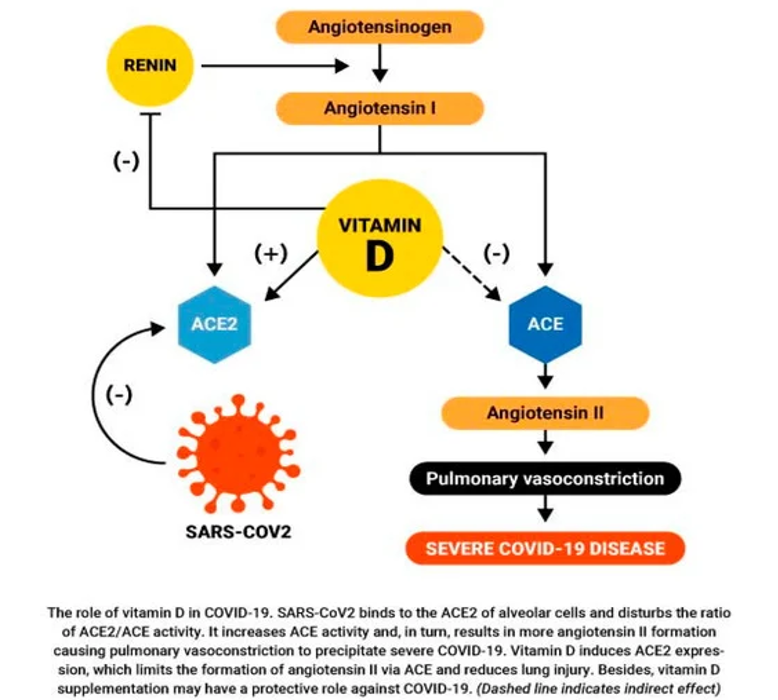
Angiotensin-converting enzyme (ACE) is part of the renin–angiotensin system (RAS), which controls blood pressure by regulating the volume of bodily fluids. Angiotensin-converting enzyme 1 (ACE1) converts the hormone angiotensin I to the active vasoconstrictor angiotensin II. Angiotensin II is a natural peptide hormone best known for increasing blood pressure through stimulating aldosterone. ACE2 normally consumes angiotensin I, thereby lowering its concentrations. However, SARS-CoV-2 infection regulates ACE2, leading to excessive accumulation of angiotensin II [16]. (Figure 3)
Cell cultures of human alveolar type II cells with vitamin D have shown that the SARS-CoV-2 virus interacts with the ACE2 receptor expressed on the surface of lung epithelial cells. Once the virus binds to the ACE2 receptor, it reduces its activity and, in turn, promotes ACE1 activity, forming more angiotensin II, which increases the severity of COVID-19. That effect may also be related to the vitamin D binding protein [16].
High concentrations of angiotensin II may cause ARDS or cardiopulmonary injury. Renin, by contrast, is a proteolytic enzyme and a positive regulator of angiotensin II. Vitamin D is a potent inhibitor of renin. Vitamin D supplementation prevents angiotensin II accumulation and decreases proinflammatory activity of angiotensin II by suppressing the release of renin in patients infected with COVID, thus reducing the risk of ARDS, myocarditis, or cardiac injury [16].
Figure 3: The Role of Vitamin D Regarding ACE in Response to SARS-Cov-2. ACE: Angiotensin-Converting Enzyme [16]
Role of Omega-3 fatty acids in SARS-CoV-2 Infection
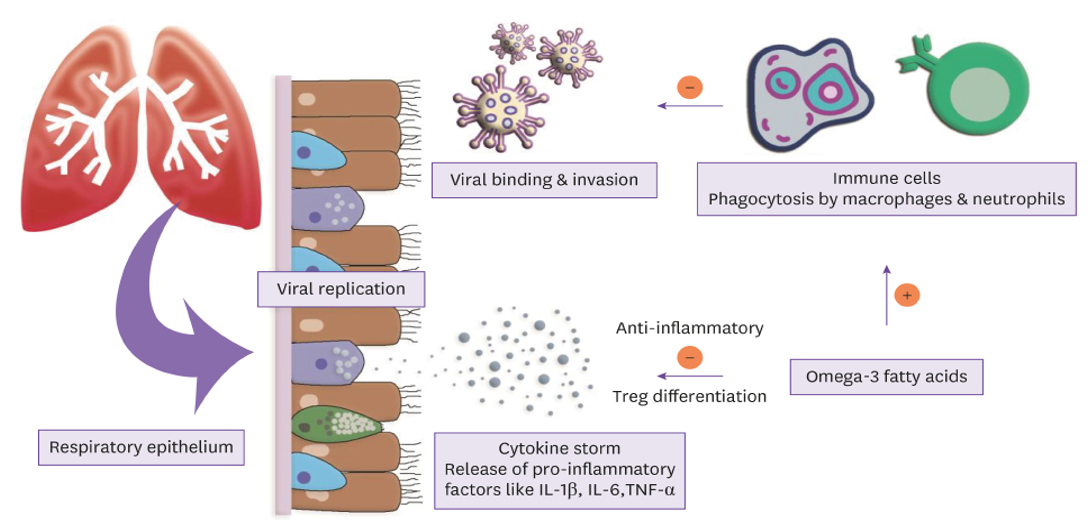
Omega-3 fatty acidsare a family of polyunsaturated fatty acids (PUFAs) characterized by the presence of a double bond at the omega−3 carbon atom. The simplest omega-3 fatty acid is α-linolenic acid (18:3n-3), which is synthesized from the omega-6 fatty acid linoleic acid (18:2n-6) by desaturation, catalyzed by delta-15 desaturase [12]. Omega-3 fatty acids play a crucial role in the resolution of inflammation induced by infections, including in the respiratory tract [17]. (Figure 4)
Omega-3 fatty acids have anti-inflammatory and anti-thrombotic effects, and they may interfere with virus entry and replication through modulation of lipid rafts [18].
Omega-3 fatty acids, through their anti-inflammatory mechanism, inhibit the production of pro-inflammatory mediators like interleukin (IL)-1β, IL-6, tumor necrosis factor (TNF)-α and prevent cytokine storm. Some studies also suggest that they dampen the inflammatory response through regulatory T cells (Treg) differentiation. They also exert an anti-viral effect by enhancing the phagocytic activity of cells of the innate immune system- Neutrophils and Macrophages [19].
Figure 4: Role of Omega-3 Fatty Acid in COVID-19 (Hathaway III, D. et al., 2020).
Role of Zinc in SARS-CoV-2 Infection
Zinc is an essential trace element that significantly impacts health, especially in maintaining immune physiology, growth, and development. Zinc is also considered an agent of antiviral immunity and an enhancer of both inherent and acquired immunity [21].
Zinc is also involved in inflammation, uplifting inflammatory reactions and inducing cell-mediated immunity, and a key constituent of pathogen eliminating transduction pathways that contribute to the formation of neutrophil extracellular traps [7].
Zinc supplementation for more than 3 months significantly reduced the frequency and severity of diarrhea and respiratory illnesses.Zinc’s effect on the immune system is complex; it can both enhance and inhibit different immune functions to reach a correct balance between pro and anti-inflammatory effects through various mechanisms [22].
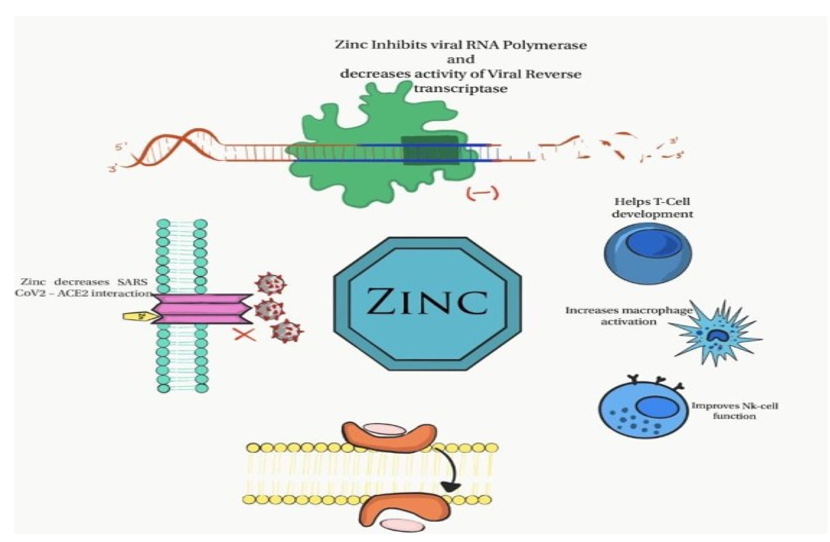
Zinc inhibits the RNA polymerase required by RNA viruses, like coronaviruses, to replicate, suggesting that zinc may play a key role in host defense against RNA viruses [23].
Zinc has shown its ability to inhibit SAR-CoV RNA polymerase. Zn2+ cations, especially in combination with Zinc ionophore pyrithione, inhibit SARS-CoV RNA-dependent RNA polymerase, RdRP. A more than 50% reduction in overall RNA synthesis was observed at zinc levels of 50 μM, while <5% activity remained at zinc levels of 500 μM. This finding would make zinc a potential antiviral agent for coronavirus diseases [24]. (Figure 5)
Zinc has been shown to exhibit antiviral properties by inhibition of RNA synthesis, viral replication, DNA polymerase, reverse transcriptase, and viral proteases evidence specifically suggests that zinc supplements with antiviral drugs containing zinc ionophores precisely target and bind to SARS-CoV-2 preventing its replication within the infected host cells. Intracellularly, zinc binds with RNA-dependent RNA polymerase causing elongation inhibition and decreased template binding of the viral mRNA.
Figure 5: Illustration of Antiviral and Immune-Modulatory Properties of Zinc in COVID-19 [24]
CONCLUSION:
Nutrients from diversified foods play a major role in boosting the immune system and self-resistance against viral infections. SARS-CoV-2 Infection has no specific treatment for its cure. A balanced nutritional diet is the best strategy to use in the prevention, management and treatment of SARS-CoV-2 Infection which would boost the immune system and aid in prevention against viral infections.
Good nutrition provides an environment where the immune system can respond quickly and appropriately to infection. Keeping the body nourished with essential nutrients aids in the fight against SARS-CoV-2. In some cases, even if a person gets infected, the body's immune system can readily fight off the pathogen, reducing the risk of developing severe illness.
Funding: No funding sources.
Conflict of interest: None declared.
Ethical approval: The study was approved by the Institutional Ethics Committee of Nasarawa State University.
REFERENCES:
Muscogiuri, Giovanna, et al. "Nutritional recommendations for CoVID-19 quarantine." European journal of clinical nutrition 74.6 (2020): 850-851. https://doi.org/10.1038/s41430-020-0635-2.
Caccialanza, Riccardo, et al. "Early nutritional supplementation in non-critically ill patients hospitalized for the 2019 novel coronavirus disease (COVID-19): Rationale and feasibility of a shared pragmatic protocol." Nutrition 74 (2020): 110835.https://doi.org/10.1016/j.nut.2020.110835
Octavia, Lestari, and Johan Harlan. "The role of nutrition the covid-19 pandemic." International Journal of Public Health Science 10.2 (2021): 304-10. DOI: 10.11591/ijphs.v10i2.20662
Laviano, Alessandro, Angela Koverech, and Michela Zanetti. "Nutrition support in the time of SARS-CoV-2 (COVID-19)." Nutrition (Burbank, Los Angeles County, Calif.) 74 (2020): 110834. doi: 10.1016/j.nut.2020.110834.
Khaled, Meghit Boumediene, and Nada Benajiba. "The role of nutrition in strengthening immune system against newly emerging viral diseases: case of SARS-CoV-2." The North African Journal of Food and Nutrition Research 4.7 (2020): 240-244.https://www.najfnr.com/home/article/view/97
Obidul, A. K., Tazul, I. M., Eyad, A., & Mohammad, A. S. "The Role of Nutrients in COVID-19 Treatment and Prevention." (2020).
Lomax, A. R., and P. C. Calder. "Probiotics, immune function, infection and inflammation: a review of the evidence from studies conducted in humans." Current pharmaceutical design 15.13 (2009): 1428-1518.https://doi.org/10.2174/138161209788168155
Childs, Caroline E., Philip C. Calder, and Elizabeth A. Miles. "Diet and immune function." Nutrients 11.8 (2019): 1933. doi: 10.3390/nu11081933 PubMed Abstract | CrossRef Full Text | Google Scholar
Basil, Maria C., and Bruce D. Levy. "Specialized pro-resolving mediators: endogenous regulators of infection and inflammation." Nature Reviews Immunology 16.1 (2016): 51-67.https://www.nature.com/articles/nri.2015.4
Gasmi, Amin, et al. "Micronutrients as immunomodulatory tools for COVID-19 management." Clinical Immunology 220 (2020): 108545.https://doi.org/10.1016/j.clim.2020.108545
Pecora, Francesco, et al. "The role of micronutrients in support of the immune response against viral infections." Nutrients 12.10 (2020): 3198.https://www.mdpi.com/2072-6643/12/10/3198
Alagawany, Mahmoud, et al. "The strategy of boosting the immune system under the COVID-19 pandemic." Frontiers in Veterinary Science 7 (2021): 570748. doi: 10.3389/fvets.2020.570748
Carr, Anitra C., and Silvia Maggini. "Vitamin C and immune function." Nutrients 9.11 (2017): 1211. doi: 10.3390/nu9111211
Mercola, Joseph, William B. Grant, and Carol L. Wagner. "Evidence regarding vitamin D and risk of COVID-19 and its severity." Nutrients 12.11 (2020): 3361. https://doi.org/10.3390/nu12113361
Wu, Jianqing, and Ping Zha. "Treatment strategies for reducing damages to lungs in coronavirus and other lung infections." Available at SSRN 3533279 (2020).
Detopoulou, P., Demopoulos, C. A., & Antonopoulou, S. (2021). Micronutrients, phytochemicals and mediterranean diet: a potential protective role against COVID-19 through modulation of PAF actions and metabolism. Nutrients, 13(2), 462. https://papers.ssrn.com/sol3/papers.cfm?abstract_id=3533279
Hathaway III, Donald, et al. "Omega 3 fatty acids and COVID-19: a comprehensive review." Infection & chemotherapy 52.4 (2020): 478.https://doi.org/10.3947%2Fic.2020.52.4.478
Aggarwal, Rakesh, John Sentz, and Mark A. Miller. "Role of zinc administration in prevention of childhood diarrhea and respiratory illnesses: a meta-analysis." Pediatrics 119.6 (2007): 1120-1130.https://doi.org/10.1542/peds.2006-3481
Mayor-Ibarguren, Ander, Carmen Busca-Arenzana, and Angel Robles-Marhuenda. "A hypothesis for the possible role of zinc in the immunological pathways related to COVID-19 infection." Frontiers in immunology 11 (2020): 1736. URL=https://www.frontiersin.org/article/10.3389/fimmu.2020.01736 DOI=10.3389/fimmu.2020.01736 ISSN=1664-3224
Jothimani, Dinesh, et al. "COVID-19: Poor outcomes in patients with zinc deficiency." International Journal of Infectious Diseases 100 (2020): 343-349.https://doi.org/10.1016/j.ijid.2020.09.014
License
Creative Commons Attribution-NonCommercial-NoDerivatives 4.0 International License
All papers should be submitted electronically. All submitted manuscripts must be original work that is not under submission at another journal or under consideration for publication in another form, such as a monograph or chapter of a book. Authors of submitted papers are obligated not to submit their paper for publication elsewhere until an editorial decision is rendered on their submission. Further, authors of accepted papers are prohibited from publishing the results in other publications that appear before the paper is published in the Journal unless they receive approval for doing so from the Editor-In-Chief.
Himalayan Journal of Applied Medical Sciences and Research open access articles are licensed under a Creative Commons Attribution-Share A like 4.0 International License. This license lets the audience to give appropriate credit, provide a link to the license, and indicate if changes were made and if they remix, transform, or build upon the material, they must distribute contributions under the same license as the original.
Recommended Articles
Research Article
Study of the Role of Serum Interleukin-6 in Inflammation among Pregnant Women with COVID-19
Aynar Talib Samad,
Yossra Saleh Khudhur
Published: 27/07/2021
Download PDF
Cite
x
APA
Talib Samad, A. & Khudhur, Y. S. (2021). Study of the Role of Serum Interleukin-6 in Inflammation among Pregnant Women with COVID-19. Himalayan Journal of Applied Medical Sciences and Research, 2(2), 1-6.
MLA
Talib Samad, Aynar and Yossra Saleh Khudhur. "Study of the Role of Serum Interleukin-6 in Inflammation among Pregnant Women with COVID-19." Himalayan Journal of Applied Medical Sciences and Research 2.2 (2021): 1-6.
Chicago
Talib Samad, Aynar and Yossra Saleh Khudhur. "Study of the Role of Serum Interleukin-6 in Inflammation among Pregnant Women with COVID-19." Himalayan Journal of Applied Medical Sciences and Research 2, no. 2 (2021): 1-6.
Harvard
Talib Samad, A. and Khudhur, Y. S. (2021) 'Study of the Role of Serum Interleukin-6 in Inflammation among Pregnant Women with COVID-19' Himalayan Journal of Applied Medical Sciences and Research 2(2), pp. 1-6.
Vancouver
Talib Samad A, Khudhur YS. Study of the Role of Serum Interleukin-6 in Inflammation among Pregnant Women with COVID-19. Himalayan Journal of Applied Medical Sciences and Research. 2021 Jul;2(2):1-6.
Download PDF
Research Article
Bones in Balance: Awareness of Rickets and Nutritional Deficiencies Among the Hamirpur Community
Vishal Dhatwalia,
Swati Chandel
Published: 10/12/2024
Download PDF
Cite
x
APA
Dhatwalia, V. & Chandel, S. (2024). Bones in Balance: Awareness of Rickets and Nutritional Deficiencies Among the Hamirpur Community. Himalayan Journal of Applied Medical Sciences and Research, 5(2), 1-5.
MLA
Dhatwalia, Vishal and Swati Chandel. "Bones in Balance: Awareness of Rickets and Nutritional Deficiencies Among the Hamirpur Community." Himalayan Journal of Applied Medical Sciences and Research 5.2 (2024): 1-5.
Chicago
Dhatwalia, Vishal and Swati Chandel. "Bones in Balance: Awareness of Rickets and Nutritional Deficiencies Among the Hamirpur Community." Himalayan Journal of Applied Medical Sciences and Research 5, no. 2 (2024): 1-5.
Harvard
Dhatwalia, V. and Chandel, S. (2024) 'Bones in Balance: Awareness of Rickets and Nutritional Deficiencies Among the Hamirpur Community' Himalayan Journal of Applied Medical Sciences and Research 5(2), pp. 1-5.
Vancouver
Dhatwalia V, Chandel S. Bones in Balance: Awareness of Rickets and Nutritional Deficiencies Among the Hamirpur Community. Himalayan Journal of Applied Medical Sciences and Research. 2024 Jul;5(2):1-5.
Download PDF
Research Article
Assessing First Trimester Maternal Serum Pentraxin-3 Levels in Primary Unexplained Recurrent Pregnancy Loss: A Case-Control Study
Raniah Ibrahim Khaleel Yaseen,
Israa Hashim Abdalkareem
Published: 28/02/2026
Download PDF
Cite
x
APA
Yaseen, R. I. K. & Abdalkareem, I. H. (2026). Assessing First Trimester Maternal Serum Pentraxin-3 Levels in Primary Unexplained Recurrent Pregnancy Loss: A Case-Control Study. Himalayan Journal of Applied Medical Sciences and Research, 7(1), 1-6.
MLA
Yaseen, Raniah I. K. and Israa H. Abdalkareem. "Assessing First Trimester Maternal Serum Pentraxin-3 Levels in Primary Unexplained Recurrent Pregnancy Loss: A Case-Control Study." Himalayan Journal of Applied Medical Sciences and Research 7.1 (2026): 1-6.
Chicago
Yaseen, Raniah I. K. and Israa H. Abdalkareem. "Assessing First Trimester Maternal Serum Pentraxin-3 Levels in Primary Unexplained Recurrent Pregnancy Loss: A Case-Control Study." Himalayan Journal of Applied Medical Sciences and Research 7, no. 1 (2026): 1-6.
Harvard
Yaseen, R. I. K. and Abdalkareem, I. H. (2026) 'Assessing First Trimester Maternal Serum Pentraxin-3 Levels in Primary Unexplained Recurrent Pregnancy Loss: A Case-Control Study' Himalayan Journal of Applied Medical Sciences and Research 7(1), pp. 1-6.
Vancouver
Yaseen RIK, Abdalkareem IH. Assessing First Trimester Maternal Serum Pentraxin-3 Levels in Primary Unexplained Recurrent Pregnancy Loss: A Case-Control Study. Himalayan Journal of Applied Medical Sciences and Research. 2026 Jan;7(1):1-6.
Download PDF
Research Article
Evaluation of Serum Heat Shock Protein 70 as a Diagnostic Biomarker for Ectopic Pregnancy: A Comparative Case-Control Study
Hala Ahmed Atiya,
Ayla Khedher Ghalib
Published: 28/02/2026
Download PDF
Cite
x
APA
Atiya, H. A. & Ghalib, A. K. (2026). Evaluation of Serum Heat Shock Protein 70 as a Diagnostic Biomarker for Ectopic Pregnancy: A Comparative Case-Control Study. Himalayan Journal of Applied Medical Sciences and Research, 7(1), 1-5.
MLA
Atiya, Hala A. and Ayla K. Ghalib. "Evaluation of Serum Heat Shock Protein 70 as a Diagnostic Biomarker for Ectopic Pregnancy: A Comparative Case-Control Study." Himalayan Journal of Applied Medical Sciences and Research 7.1 (2026): 1-5.
Chicago
Atiya, Hala A. and Ayla K. Ghalib. "Evaluation of Serum Heat Shock Protein 70 as a Diagnostic Biomarker for Ectopic Pregnancy: A Comparative Case-Control Study." Himalayan Journal of Applied Medical Sciences and Research 7, no. 1 (2026): 1-5.
Harvard
Atiya, H. A. and Ghalib, A. K. (2026) 'Evaluation of Serum Heat Shock Protein 70 as a Diagnostic Biomarker for Ectopic Pregnancy: A Comparative Case-Control Study' Himalayan Journal of Applied Medical Sciences and Research 7(1), pp. 1-5.
Vancouver
Atiya HA, Ghalib AK. Evaluation of Serum Heat Shock Protein 70 as a Diagnostic Biomarker for Ectopic Pregnancy: A Comparative Case-Control Study. Himalayan Journal of Applied Medical Sciences and Research. 2026 Jan;7(1):1-5.
Carole Nweze, C. & Yunusa, R. (2021). Role of Nutrition in Sars-Cov-2 Infection. Himalayan Journal of Applied Medical Sciences and Research, 2(2), 1-6.
MLA
Carole Nweze, Chibuzo and Rahima Yunusa. "Role of Nutrition in Sars-Cov-2 Infection." Himalayan Journal of Applied Medical Sciences and Research 2.2 (2021): 1-6.
Chicago
Carole Nweze, Chibuzo and Rahima Yunusa. "Role of Nutrition in Sars-Cov-2 Infection." Himalayan Journal of Applied Medical Sciences and Research 2, no. 2 (2021): 1-6.
Harvard
Carole Nweze, C. and Yunusa, R. (2021) 'Role of Nutrition in Sars-Cov-2 Infection' Himalayan Journal of Applied Medical Sciences and Research 2(2), pp. 1-6.
Vancouver
Carole Nweze C, Yunusa R. Role of Nutrition in Sars-Cov-2 Infection. Himalayan Journal of Applied Medical Sciences and Research. 2021 Jul;2(2):1-6.


 Download PDF
 Download XML