Contents
Download PDF
pdf Download XML
1405 Views
228 Downloads
Share this article
Research Article | Volume 4 Issue 2 (July-Dec, 2023) | Pages 1 - 11
Exploring the Feasibility of Carbon Capture, Storage (CCS) Integration in Offshore Oil and Gas Operations: A Qualitative Analysis of Husky-Cnooc Madura Limited (HCML)
 ,
1
Master of Business Administration Program, Bandung Institute of Technology, Indonesia
Under a Creative Commons license
Open Access
Received
Oct. 20, 2023
Revised
Nov. 10, 2023
Accepted
Dec. 8, 2023
Published
Dec. 22, 2023
Abstract

The pressing need to address climate change and reduce greenhouse gas emissions in order to achieve Indonesia Net Zero Emission (NZE) target in 2060 has led to the exploration of innovative technologies for carbon mitigation in the upstream oil and gas industry. One of the crucial technology for achieving net-zero emissions goals is Carbon Capture and Storage (CCS). Triggered by the Carbon Pricing policy and Minister of Energy and Mineral Resources regulation stipulating CCS implementation in the upstream oil and gas industry, this research investigates the feasibility of integrating CCS technology into the operations of Husky-CNOOC Madura Limited (HCML), an offshore oil and gas company located in Madura Strait, East Java, Indonesia. Employing a qualitative approach, the study examines the driving forces, uncertainties, and potential scenarios impacting CCS integration within HCML's journey to support energy transition. This research employs the scenario planning method to gain a precise understanding of the CCS Integration in HCML offshore oil and gas operation within its contract period until 2032. These scenarios are crafted from qualitative interview data with HCML CCS task force. The primary aim of scenario development is to assess the implications of identified uncertainties of Government Support and Technology & Innovation to formulate an effective strategy to address the challenges posed within CCS integration in HCML. In this research, the author formulates four scenarios termed Yellow Submarine Scenario, Across the Universe Scenario, The Long and Winding Road scenario and A Hard Day’s Night scenario. Each scenario will yield distinct implications and early warning signals regarding the CCS development and integration in HCML offshore oil and gas operation. Furthermore, upstream oil and gas business players can refer to the strategic planning direction in each scenario to gain understanding when confronting the challenges of the CCS development and integration in the offshore oil and gas operation in the medium and long term.

Keywords
INTRODUCTION

In the past few years, there has been a growing global concern about climate change and its impact on the environment. The Paris Agreement, an internationally binding treaty on climate change, became effective in November 2016 and was embraced by 191 nations, including Indonesia. This commitment's objective is to restrain global temperature rise to under 2 degrees Celsius and to strive towards constraining it to 1.5°C. As a result, industries across the world are under increasing pressure to adopt sustainable practices and reduce their carbon footprint which is one of the contributing factors to cause greenhouse effect. In Indonesia, the government is targeting the Net Zero Emission (NZE) by 2060.


As shown in the graphic, Indonesia's Nationally Determined Contributions (NDC) target, which is not contingent on specific conditions, would lead to a rise in emissions up to 421% from 1990 levels, equivalent to roughly 1,661 MtCO₂e, by 2030. To align with the 1.5°C temperature threshold, analysis from the 1.5°C Pathways Explorer indicates that the nation's emissions should hover around 449 MtCO₂e by 2030. This leaves an ambition gap of roughly 1,212 MtCO₂e. One industry that plays a significant role in global energy production is the Oil and Gas industry. In the oil and gas industry, Natural Gas, known for its lower carbon emissions compared to other fossil fuels, has gained prominence as a transition fuel    in    the   journey   towards    a   low-carbon   future.
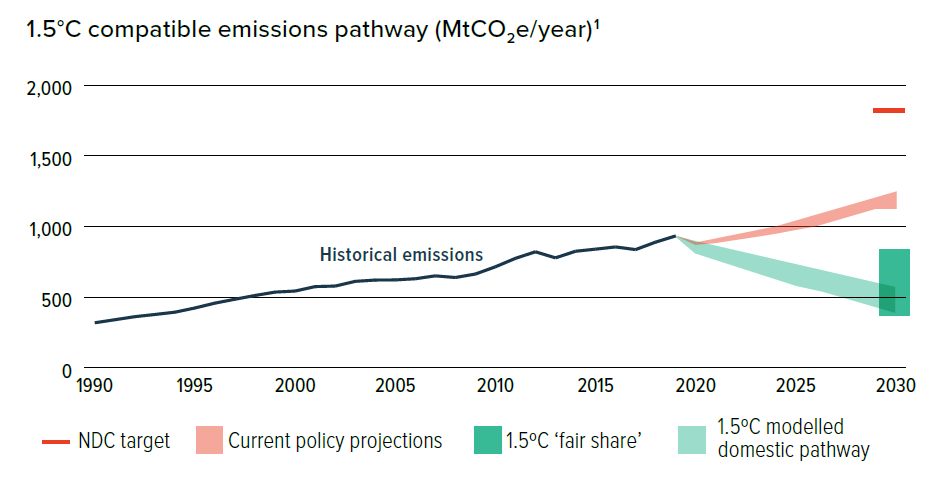


Figure 1: Indonesia Climate Action Tracker

Source: Climate Transparency Report 2022


However, despite its relatively lower emissions, the upstream natural gas industry still contributes to greenhouse gas emissions, primarily through the release of carbon dioxide (CO2) during the extraction, production, and combustion processes of hydrocarbon. 


The Indonesia’s total energy sector emissions which were around 600 million tons of carbon dioxide (MtCO2) in 2021, one-third of it contributed from the Oil and Gas sector. In response to this challenge, the concept of Carbon Capture and Storage (CCS) has emerged as a potential solution to mitigate CO2 emissions in the Upstream Oil and Gas sector. The integration of CCS technologies in brownfield oil and gas operations presents a unique opportunity to capture, utilize, and store the CO2 emissions generated during the production and processing of the hydrocarbon. By implementing CCS, companies can potentially reduce their carbon footprint and contribute to Indonesia NZE target.


On March 3, 2023, a new regulation was issued under Minister of Energy and Mineral Resources (ESDM), Minister of Energy and Mineral Resources Regulation [1] Number 2 of 2023 concerning the Implementation of Carbon Capture and Storage (CCS) in Upstream Oil and Gas Business Activities in Indonesia. This regulation marks the first step for Indonesia in achieving the Net Zero Emission (NZE) target and emphasizes the oil and gas industry's commitment to reducing emissions. With this regulatory framework in place, it becomes imperative for companies operating in the oil and gas industry to assess the feasibility and economic viability of CCS integration in their operation facilities to comply with the regulations and contribute to Indonesia's emission reduction goals.


In 2021 the President of the Republic of Indonesia stipulate Presidential Regulation Number 98 of 2021 concerning the Implementation of Carbon Economic Value (NEK) [2]. Carbon pricing constitutes a pivotal component within a comprehensive policy framework aimed at addressing climate change mitigation. This approach will be significantly affecting the economical aspect review towards new technology development and implementation for instance Carbon Capture, and Storage (CCS). Moreover, its adoption and implementation on a global scale have exhibited steady expansion and progression over time. The trajectory of carbon pricing's prevalence underscores its growing significance as a strategic tool for addressing climate challenges on a broader scale. Indonesia carbon tax law is set to be higher than or at market price, with a minimum rate of Indonesian Rupiah (IDR) 30 (US$ 0.002) per kilogram of CO2 equivalent (CO2e), or US$ 2.13 per ton CO2e emission above the stipulated cap (cap and tax). CO2e is a representation of greenhouse gas emissions that includes CO2e, Nitrous Oxide (N2O) and, Methane (CH4) compounds [3].


Husky-CNOOC Madura Limited (HCML) is an upstream oil and gas company. HCML is a joint venture company which consist of Husky Oil Madura Partnership (HOMP), is a subsidiary of Husky Energy, a Canadian energy company (owns 40% shares), China National Offshore Oil Corporation (CNOOC) Southeast Asia Limited is the largest offshore oil and gas producer in China (owns 40% shares) and lastly Samudra Energy is an Indonesian Energy (owns the remaining 20% of shares).  Although CNOOC Southeast Asia Limited and HOMP own the same amount of shares, CNOOC Southeast Asia Limited is responsible for HCML's operations. HCML provide Natural Gas as source of energy in regards of National Energy Security with the main focus in East Java Industrial sector, for instance Fertilizer Plant, Ceramic Plant and Power Generator Plant. The gas produced supplies approximately 30% of the market share in East Java, in addition, the company also operates in a high risk category of industry which closely related to Safety, Environment, Social and Governance, therefore it is critical to have a robust and safe of overall operation to ensure the sustainability of its business.


Theoretical Review

Climate Change: Climate change means long-term shifts in temperature and weather patterns. Some of these shifts happen naturally because of things like changes in the sun's activity or big volcanic eruptions. However, since the 1800s, the main reason for climate change has been what people do, especially burning fossil fuels like coal, oil, and gas. When the people burn fossil fuels, it creates greenhouse gases that act like a blanket around Earth. This "blanket" traps the sun's heat and makes the planet warmer. The most important greenhouse gases causing climate change are carbon dioxide and methane. Many things we do in areas like energy, industry, transportation, buildings, farming, and land use produce these greenhouse gases. To put it together, those activities make climate change worse.


Indonesia as a country that consist of more than 17.000 islands is prone to climate change effect, for instance, sea level rising. From 1981-2018 Indonesia have been experiencing the trend of temperature rising approximately 0.03°C. Indonesia also experiencing the increase of Green House Gas Emissions approximately 4.3% each year from 2010 to 2018. Moreover, Indonesia face 0.8-1.2 cm/year of sea level rising, meanwhile 65% of Indonesia citizen live in the seashore area. This is a concerning situation which could have impacted to Water scarcity, Damage to land ecosystems, Damage to sea ecosystems, Decreased quality of health, Food scarcity. The above concerns potentially impacted to Indonesia financial situation which approximately takes 0.66% to 3.45% GDP by 2030. In, 2016 Indonesia registered as Nationally Determined Contributions (NDC) country that agreed to the Paris Agreement to make an effort to restrain global temperature rise to under 2°C and to strive towards constraining it to 1.5°C. Therefore, urgent holistic actions across every element in the country are required in order to fulfill the target towards Indonesia Net Zero Emission in 2060.


Carbon Capture and Storage (CCS)

Carbon Capture and Storage (CCS) is a process that involves capturing carbon dioxide (CO2) emissions from industrial processes, such as power generation or industrial activity, and storing them deep underground in geological formations. The process of CCS involves three steps: capturing the carbon dioxide produced by power generation or industrial activity, transporting it, and then storing it deep underground. CCS can be retrofitted to existing power and industrial plants that could otherwise emit 600 billion tons of CO2 over the next five decades. The captured CO2 can also be used for other applications, such as enhanced oil recovery (EOR). The terms CCS and CCUS (Carbon Capture, Utilization, and Storage) are often used interchangeably, and the difference between the two is the specified 'utilization' of the captured carbon, About CCUS [4]. 


There are several methods for trapping CO2 in Carbon Capture and Storage (CCS) systems, including dissolution, chemical reaction, hydrodynamic trapping, and capillary trapping, [5].


  • Dissolution: This method involves dissolving CO2 in water or other solvents to form a stable solution that can be transported and stored underground

  • Chemical Reaction: This method involves reacting CO2 with other chemicals to form stable compounds that can be stored underground

  • Hydrodynamic Trapping: This method involves trapping CO2 in geological formations by using the natural flow of water to move the CO2 into the pores of the rock, where it is trapped

  • Capillary Trapping: This method involves trapping CO2 in the small spaces between the grains of rock, where it is held in place by capillary forces 


These methods are used in different combinations depending on the specific CCS system and the geological formation being used for storage [5]


Carbon Trading and Carbon Pricing

Referring to World Bank definition, Carbon pricing is an instrument that captures the external costs of greenhouse gas (GHG) emissions—the costs of emissions that the public pays for, such as damage to crops, health care costs from heat waves and droughts, and loss of property from flooding and sea level rise—and ties them to their sources through a price, usually in the form of a price on the carbon dioxide (CO2) emitted. When there's a price on carbon, it shifts the responsibility for the damage caused by emissions back to the ones responsible for it. It gives a signal to those who emit carbon that they can either transform their ways to reduce emissions or keep emitting but pay for it. This approach is flexible and cost-effective because it doesn't necessary tell companies exactly how or where to reduce emissions. Instead, it lets them choose the best way for them. It helps society reach its environmental goals while being adaptable. 


In Indonesia, the President of the Republic of Indonesia stipulate Presidential Regulation Number 98 of 2021, Article 58 concerning the Implementation of Carbon Economic Value (NEK) in 2021. Follows by Law No. 7 of 2021, Article 13 regarding tax harmonization [6]. The Carbon Tax is considered as one of comprehensive policies for climate change mitigation in supporting Indonesia Net Zero Emission target in 2060. The Carbon Pricing instruments are divide into two (2) instrument categories as follows:


Trading Instruments


  • Emission Trading System (ETS): this system regulates the entities that produce more emissions to have the capability to purchase emission permits from the entities that produce lesser emissions

  • Crediting Mechanism (Offset Emission): this system regulates the entities that perform efforts to reduce emissions to have the capability to sell their carbon credit to the entities that required carbon credit

  • The Non-Trading Instruments: Carbon Tax which implemented towards the activities from entities that generate carbon emission at certain amount and/or content

  • Result Based Payment which regulates a payment given for the effort to reduce emissions
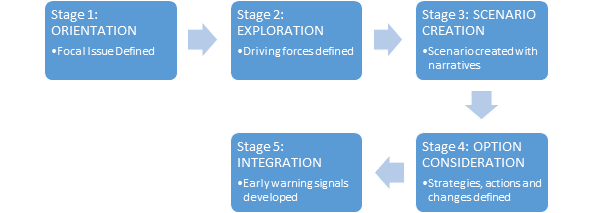


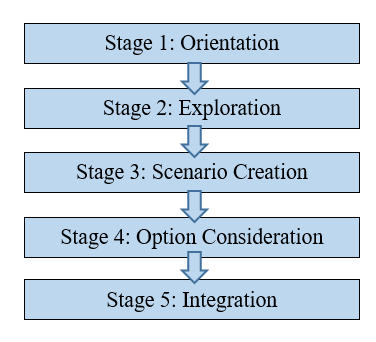
Figure 2: Scenario Planning Stages
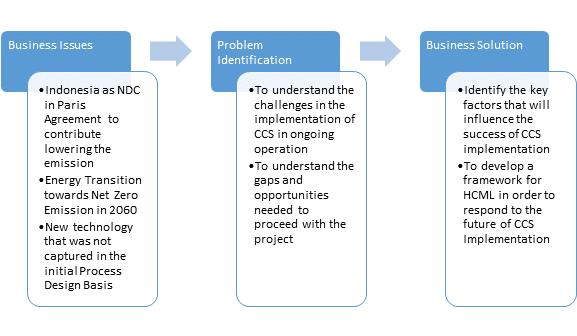


Figure 3: Conceptual Framework of the Research


Offshore Oil and Gas Production Operation

Offshore Oil and Gas Production and Operation is a complex process that involves drilling and production environments that present many challenges (Transportation Research Board, 2021). Offshore oil and gas activities include exploration, drilling, production, transportation, and decommissioning [7]. Husky-CNOOC Madura Limited (HCML) BD Field is currently in its Production phase since 2017. In 2022 they have been producing approximately 110 MMscfd Natural Gas and 6,000 barrel condensate per day.


Situation Analysis and Scenario Planning

The Situational Analysis in this research will be presented through PESTEL to gain an understanding on the internal and external aspects on the CCS Project feasibility for HCML. At this point the situation analysis will give an initial information before the analysis is then proceed further through the Scenario Planning. Situation Analysis is a research method that involves collecting and analyzing data to understand the current situation or context of a particular phenomenon [8-9].


Scenario Planning is a research method that involves developing and analyzing different scenarios or possible futures to understand the potential outcomes of a particular phenomenon. It is often used in qualitative research to explore the uncertainties and complexities of a research question and to identify potential risks and opportunities. Scenario Planning can be conducted using various methods, such as expert interviews, focus groups, and case studies. Based on Garving & Levesque (2006), scenario planning entails five stages as follows Figure 2.


Conceptual Framework

This research aims to understand the feasibility of CCS project integration in the offshore oil and gas operation facility of HCML. The conceptual framework for this research is shown below figure 3.


MATERIALS AND METHODS

This research starts with the business issue exploration and problem statement to formulate the research question.  The study then continue with the literature review to understand more about the theoretical foundation of the Climate Change, CCS Technology, Carbon Trading-Carbon Pricing, Offshore Oil and Gas Production Operation and the Qualitative Research Method of Situational Analysis and Scenario Planning to support the research and determine the conceptual framework. The data collection and analysis are conducted with the pivotal focus to answer the research question using qualitative method. The primary data collection use interviews from the representative of the Upstream Oil and Gas, representative from the New and Renewable Energy and the upstream special task force. On the other hand, secondary data collection relies on additional information sourced from interviews, pertinent online resources, and research articles. To initiate the situation analysis, the PETSEL method is employed as an initial step for gathering information, laying the groundwork for subsequent scenario planning. The researcher utilizes scenario planning as a method to gain a precise depiction and envision potential future scenarios related to the adoption of CCS technology within HCML. Scenario narratives are crafted to vividly illustrate these scenarios and gain deeper insights into the potential implementation, ultimately guiding the formulation of business solutions and recommendations.

RESULTS AND DISCUSSION

Analysis

The main data source for developing Scenario Planning for Exploring the Feasibility of Carbon Capture, Storage (CCS) Integration in HCML Offshore Operation is the summary of in-depth interviews with each respondent. This, combined with an analysis of external and internal factors, will serve as the foundational analysis for Scenario Planning development. The Scenario Planning will adhere to the framework outlined by Garvin & Lavesque in 2006, which comprises five distinct stages as outlined below.


Orientation

The scenario planning process will initiate by establishing the direction and defining the scope of the planning process. This will be accomplished by formulating a specific question or identifying a problem to be solved, which will serve as the key focal issue. This study centers around a critical question that emerges from our research focus, which is: "How can we formulate an effective strategy for integrating Carbon Capture and Storage (CCS) into HCML's offshore operations to contribute to Indonesia's goal of achieving net-zero emissions by 2060?" Answering this key focal issue is essential as it holds the potential to offer valuable guidance to players in the upstream oil and gas sector in Indonesia.


Exploration

The second stage of the process involves exploring the driving forces that will influence, control, and shape the key focal issue. These driving forces are a list of factors, situations, and strategies. They will be classified based on their certainty and consequences on the focal issue. In this study, the driving forces were identified through primary data collection, which included interviews with key stakeholders, and secondary data collection, moreover by reviewing relevant documents and literature. The driving forces result is also categorized with PESTEL framework. 


Degree of Uncertainties

From the information gathered through both interviews (primary data) and additional research (secondary data), the most commonly addressed factors in the discussion about CCS Integration in HCML Operation, with the greatest impact and the highest degree of uncertainty, are government plan and support and technological innovation.


Figure 4: Scenario Planning Stages


Scenario Creation

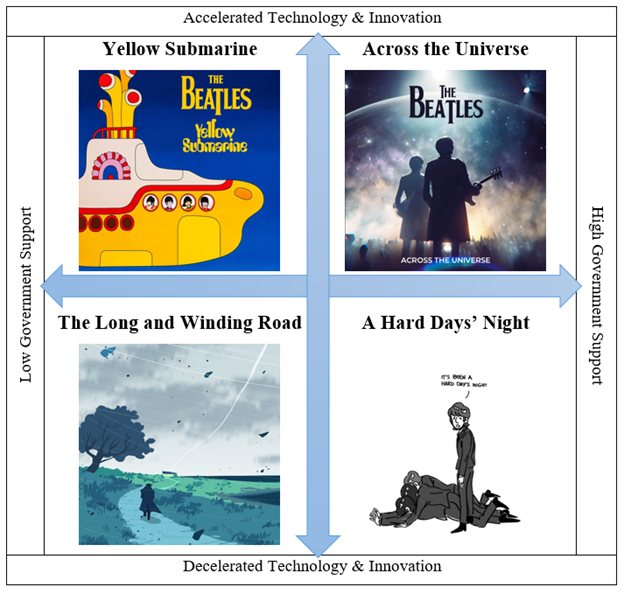
In the 3rd stage of scenario creation, the author will construct and elaborate on the scenario framework by providing detailed descriptions and narratives. According to Garvin and Levesque (2006), scenario planning is a process for developing a range of plausible and challenging futures in order to better prepare an organization for the uncertainties that lie ahead. The author crafted a scenario framework based on the two most critical uncertainties. This framework was then transformed into a 2 x 2 matrix, generating four distinct scenarios in each quadrant. Subsequently, the next step involved developing these scenarios to explain key characteristics and potential events between the present and the future, considering the scenario planning timeframe of 2032 which is the current working contract period of HCML with the government. The author referring to The Beatles’s Song in representing Scenario Planning in Exploring the Feasibility of Carbon Capture, Storage (CCS) Integration in HCML Offshore Oil and Gas Operations for the remaining contract period until 2032, this consideration is made based on the fact that The Beatles is a band that have been active for more than 50 years, surviving many musical industry transition. The author deemed that the Beatles survival in Music Industry transition is in line with the current emission reduction effort and energy transition toward Indonesia Net Zero Emission target in 2060


Business Solution

Option Consideration


  • Scenario 1 - Yellow Submarine: Lack of government support for energy transition resulting to stagnant regulation and framework for CCS implementation in the upstream oil and gas industry, making the technology cost higher thus delayed period to achieve Indonesia Net Zero Emission target in 2060

  • Option: In the short term for the next 5 years HCML should focus on alternatif means for emission reduction other than future plan for CCS integration


Currently there are several emission reduction effort which already implemented for instance:


  • Energy Efficiency and Conservation: As initiative to monitor, evaluate, conserve and reduce Energy 


Table 1: Driving Forces Narratives

AspectsDriving Forces
Political

The global concern towards climate change is massive which was initiated by Paris Agreement in 2016, 191 countries pledged together in commitment to restrain global temperature rise to 1.5°C. Indonesia’s Nationally Determined Contributions (NDC) need to restrict the nation’s emissions in the range of 449 MtCO₂e by 2030.

Energy transition is well sounded under President Jokowi presidency, especially during the G20 Summit which was held in Bali, November 2022. However, Indonesia will celebrate its democracy through 2024 Presidential Election, the changes in political aspect especially towards energy will still face uncertainties beyond 2024.

The G20 Energy Transition Working Group is looking at the challenges that ASEAN might face in implementing CCS/CCUS technology and ways to overcome them. The G20 members all agree that the main things to focus on in the shift to cleaner energy are making it accessible, using the right technology, and finding the financial support for it. Along with support from the government, as well as the public and private sectors, can be the first steps to make CCS/CCUS more common and practical.

The Indonesia policies that stipulated implementation of CCS is Minister of Energy and Mineral Resources Regulation [3] Number 2 of 2023, through this regulatory framework it becomes important for the upstream oil & gas industry to implement means of Carbon Reduction in their Operations.

Economic

One significant information is related to the first CCS project in Malaysia under PETRONAS which called Kasawari Carbon Capture and Sequestration (CCS) Project that is being developed off the coast of the state of Sarawak, Malaysia. The project aims to contribute to a reduction of 3.3 million tonnes per annum (mtpa) of carbon dioxide emissions released through flaring, establishing itself as one of the world’s most significant offshore CCS initiatives. However, with CCS the capital investment would jump by about $900 million and operating costs would rise by $2,100 million over the life of the project. In correlation to this, Malaysia does not levy an explicit carbon price. Fossil fuel subsidies cover 21.7% of emissions in 2021, unchanged since 2018 [4].

In order to make the CCS project economically viable, there are two key takes that author gathered from the interview. First of all the implementation of Carbon Pricing, where currently in Indonesia carbon tax law minimum rate is Indonesian Rupiah (IDR) 30 (US$ 0.002) per kilogram of CO2 equivalent (CO2e), or US$ 2.13 per ton CO2e emission above the stipulated cap (cap and tax) [8]. Secondly, the market and infrastructure for CO2 which not yet available and requires a holistic integration project from the producer to end buyer.

Social

The key social factor in order to change people’s behavior towards Energy Transition will occur due to regulation or could be from the global trend and campaign. As we can see nowadays, most people in Indonesia are not too aware of Energy Transition, about sustainability and carbon emissions. Most people still comfortably use their own personal vehicles as means of transportation which generate more carbon emissions, while this also shown that the public transportation quality is still really lacking. The people still not aware of the consequences of climate change. This indicates that most people in the community have limited knowledge and awareness about the effects of carbon emissions on the environment.

On the other hand, one member of the HCML CCS Task Force encourage that an opportunity will more open if HCML clearly define its plan towards CCS integration to support Indonesia Net Zero Emission 2060. Because the social impact will be high, this will offer more exposure and creating a good social and community “trust” and “brand” for HCML as a good neighborhood that care for energy transition and sustainability.

Technology

The success of CCS projects aimed at reducing emissions and transitioning to renewable energy is significantly influenced by technology and innovation. Although existing technologies are available, they are presently relatively expensive and not fully efficient, especially for offshore facility. There’s a certain space limitation in offshore facility that requires massive changes should the CCS is implemented, not to even mention the “storage” or the “wells” needed to inject the CO2. In supporting the technology concern, however, economic considerations play a crucial role for business players, making emission reduction project through CCS/CCUS currently deemed uneconomical to pursue.

Environment

In the context of environmental concern, in which mainly we talk about the future of how we want to create the world we want to live in the future. It is imperative to implement CCS in HCML operation in supporting the Indonesia Net Zero Emission target in 2060. The goal is also in line with one of the company’s strategic pillars, Sustainability, the company believes that sustainability can be one of the way to manifest the vision, as it is also stated in the HCML Mission regarding strong commitment to environmental. The Low carbon initiative program which covers Emission Reduction, Energy Efficiency, CCS/CCUS, and Methane Reduction. In addition, the commitment towards CCS implementation and Indonesia NZE target will create an added value for HCML contract extention which will be expired in 2032.

The environmental impact over the implementation of CCS needs to be highlighted if opted to inject the CO2 back into the earth through well. This might affected the following but not limited to adjacent soil layer, soil water, geological structure, potential CO2 leaks, corrosiveness hazards, fracture hazards, etc. Furthermore, CCS operations could have potential impacts on marine ecosystems, such as the disruption of marine life or the contamination of water sources. HCML will need to conduct environmental impact assessments and implement mitigation measures.

Legal

The approval of permits for upstream oil and gas operations is critical on the support from the local community. This is directly linked to the community's concern about emissions, as the more concerned they are, the greater the pressure for the operations to initiate emission reduction projects. Conversely, the company's efforts to inform and engage with the local community are crucial. This is aimed at enhancing the understanding and awareness of the community regarding fossil emissions.

A new regulation that was issued under Minister of Energy and Mineral Resources (ESDM), Minister of Energy and Mineral Resources Regulation [3] Number 2 of 2023 concerning the Implementation of Carbon Capture and Storage (CCS) in Upstream Oil and Gas Business Activities in Indonesia is the first legal permit that encourage business player for implementation of CCS. However, this regulation does not capture the punishment or way forward to make the project economically viable. Meanwhile, in order to shape the green culture across the energy players, moreover to all citizen, the regulation is the pivotal aspect in order to align the current business and operation into the Net Zero Emission target.


Consumption in HCML. The energy audit activity itself is an effort to obtain a baseline for energy use and to find out the reasonable level energy for efficient operation

  • Emission Reduction: An effort made to optimization of gas fuel and cleaner diesel fuel 

  • Biodiversity program: Tree planting program & Coral reef transplantation at nearby community to the HCML operation facility


Furthermore, HCML can influence and engage with the government and policy maker in order to support the energy transition agenda, for instance: explore collaborations and partnerships for energy transition seminar and brainstorming with other Upstream Oil and Gas industries players, academics and researchers for best practice and future plan.


  • Regardless of the governments lack support, 


Table 2: Degree of Uncertainty and Consequences

Uncertainty

Parameter


  • Government Plan and Support in the upstream oil and gas industry toward energy transition

  • Technological Innovation toward CCS development for offshore facility

  • Society behavior and awareness towards Energy Transition and sustainability.

  • Environmental impact with current operation without further effort to reduce and mitigate carbon footprints

  • Economic or funding plan and support towards CCS projects

Consequences


Table 3: Description Scenario

ScenarioDescription
Yellow Submarine

This scenario envisions a future where technological innovation for emission reduction through Carbon Capture and Storage progresses rapidly, fueled by the keen interest of upstream oil and gas companies, business players, research institutes and academics in mitigating emissions and supporting energy transition. However, on the governmental side, The government regulation does not stimulus changes towards energy transition especially through CCS implementation. The scenario is illustrated by The Beatles’ Yellow Submarine, where the yellow color signals an alarming situation to where the government support toward Net Zero Emission Target is not in line with the technological development.

Across the Universe

This is an enviable scenario as the Government Support meets CCS Technology Innovation. This scenario paints a picture of widespread national adoption of CCS, driven by a unified commitment from firstly the government, and among industries, researchers, investors and society to addressing climate change. The government commitment towards energy transition generates significant funding and comprehensive framework of CCS implementation, this leads to rapid development of technology and innovation, making the capital and operational cost lower. Indonesia plays a leading role in developing and deploying CCS technologies across many industries, becoming a global hub for CCS innovation and expertise for South East Asia. The country moving in a good trending to achieve its Net Zero Emission target in 2060.

The Long and Winding Road

This scenario represents the most unfavorable situation, characterized by sluggish technological innovation primarily due to the absence of government support and minimal interest from investors, academics and research institutions in supporting emissions reduction. In this scenario, the visualization portrays that Indonesia still need a long journey and timeline to achieve Net Zero Emission Target, it is winding as the main obstacle generated from the minimum government support and slow progress of Technology innovation, resulting to the delayed development for CCS technology that making it expensive for implementation, thus Indonesia is far from emission reduction efforts. Similar to the Scenario 1 “Yellow Submarine”, the government lacks urgency in pursuing net-zero targets, influenced by conflicting priorities and slow transition progress observed compare to other countries. The government regulation does not stimulus changes towards energy transition especially through CCS implementation

A Hard Day’s Night

In the A Hard Day’s Night scenario, the government prioritizes climate change mitigation in energy transition as a top agenda on their planning. This include clear regulation and framework for energy transition, robust support in Carbon Pricing scheme, research funding, and investment incentives. However, the scenario is marked by a lack of technological innovation due to limited domestic knowledge and resource allocation for research and development. The imagery associated with this scenario portrays that after a hard day in the evening the technological development still need to be encouraged for further innovation, otherwise the underdeveloped technology has the potential to impede the progress of energy transition towards Indonesia Net Zero Emission in 2060.


Figure 1: HCML CCS Scenario Framework


  • technology is advancing rapidly making the CCS integration project is economically viable and technically feasible

  • Option: HCML needs to demonstrate leadership towards energy transition by actively participate in CCS industry forums, conferences and knowledge exchange programs. In addition, HCML needs to allocate dedicated resources to prepare their human capital, to conduct knowledge and people management for longer term emission reduction effort. As the technology also advance rapidly, this is important for HCML people to keep up to date with the global trending in order to understand and ready when opportunities come. The company also needs to prepare for future regulatory changes by continuously monitor the regulatory landscape and prepare for potential changes in CCS regulations. This approach can help HCML to adapt quickly and remain compliant with the dynamic regulations

  • Scenario 2 – Across the Universe: This one is the most ideal scenario where the Government Support meets the Accelerated Technology and Innovation, creating a good trending and framework in energy transition. Thus, leading the country in achieving its Net Zero Emission target in 2060. The implications and options are as follows:

  • The government support creating a clear framework and regulation especially in financial aspect towards implementation of CCS in Oil and Gas Operation

  • Option: One of the factor that force this scenario feasible is when the carbon pricing implementation becoming effective to shape industries culture behavior towards energy transition. The government furthermore creating subsidies, incentives and cost sharing program that could reduce the financial burden for CCS implementation in Oil and Gas Industry as well as HCML. This leads to increasing trust from the investors and foreign shareholders. In responding to this HCML needs to finalize their commercial and technical feasibility study for CCS integration in its existing operation in order to achieve net zero emission operation. Moreover, as the need for CCS solutions is increasing, and as the CCS market grows, HCML could have some great business opportunities. This might bring in more revenue, a bigger share of the market, and make HCML's reputation even better

  • Proven and widely accessible, new technologies for CCS development are emerging. This opens up opportunities for portfolio diversification alongside technological advancements. Collaboration in emission reduction project for CCS integration is actively pursued

  • Option: HCML as one of the biggest gas producer in East Java could take this as an opportunity as CCS Hub for East Java. After the early adoption of CCS technology in its operation and achieving net zero emission, HCML could expand their business to different applications and market segments. By being the center of CCS for east java, HCML could provide adjacent Upstream Oil and Gas Industry players to inject the CO2 generated from their operation to HCML storage. In order to achieve this, HCML should continue to invest in CCS research and development (R&D) to stay at the forefront of technological advancements and pursue CCS partnerships and collaborations to maintain a competitive positioning

  • Scenario 3 – The Long and Winding Road: The long and winding road is the least favorable scenario where both the government’s lack of support towards energy transition meets with the decelerated technology and innovation. This situation making it really difficult to achieve Net Zero Emission while globally other countries is advancing to achieve it


The following are the implementations and options:


  • Similar to Yellow Submarine, the lack of government support for energy transition resulting to stagnant regulation and framework for CCS implementation in the upstream oil and gas industry, making the technology cost higher thus delayed period to achieve Indonesia Net Zero Emission target in 2060

  • Option: In the short term for the next 5 years HCML should focus on alternatif means for emission reduction other than future plan for CCS integration. Currently there are several emission reduction effort which already implemented for instance: Energy Efficiency & Conservation, Emission Reduction and Biodiversity program. Furthermore, HCML should actively engage with government agencies and policymakers to advocate for supportive CCS policies, including incentives, subsidies, and clear regulatory frameworks

  • The decelerated technology innovation creating a larger gap for energy transition as it becomes not feasible to implement and integrate such complex technology in HCML operation

  • Option: HCML should continue to invest in internal research and development (R&D) initiatives focused on CCS technologies. This investment can help HCML to develop private CCS solutions according to its specific needs and reduce dependence on external technology providers. Furthermore HCML should actively promote CCS awareness and knowledge sharing within its internal company, with the industry, with government agencies, and with the communities. This can help build support for energy transition, reduce public skepticism, and encourage wider adoption of CCS technologies

  • Scenario 4 – A Hard Day’s Night: This is the scenario where the government full of support meets the decelerated technology and innovation due to limited domestic knowledge and resource allocation for research and development. The implications and options are as follows:

  • Similar to Across the Universe scenario, The government support creating a clear framework and regulation especially in financial aspect towards implementation of CCS in Oil and Gas Operation

  • Option: One of the factor that force this scenario feasible is when the carbon pricing implementation becoming effective to shape industries culture behavior towards energy transition. The government furthermore creating subsidies, incentives and cost sharing program that could reduce the financial burden for   CCS   implementation    in    Oil   and   Gas 


Table.4 Early Warning Signals


ScenarioEarly Warning Signals 
Yellow Submarine
  • No clear framework and regulation for incentives, subsidies, cost sharing program etc. to support CCS Implementation in the upstream oil and gas industry
  • No penalty nor punishment over company that does not achieve net zero emission
  • The government still put conventional framework to determine fiscal budget based on the production output of oil and gas
  • The carbon tax cap still not economic for CCS project implementation
  • No regulation over the downstream power tariff which generated from renewable and/or net zero emission energy sources
  • Worldwide rapid development over CCS technology and implementation in Upstream Oil and Gas Industry
  • Rapid advancements of CCS Technology creating opportunities for early adoption and cost reduction

Across the Universe


  • Clear framework and regulation for incentives, subsidies, cost sharing program etc. to support CCS Implementation in the upstream oil and gas industry 
  • The government put annual target of emission reduction other than the production output of oil and gas
  • The carbon tax cap is increasing toward economic value
  • The downstream power tariff is well regulated to support renewable energy and net zero emission energy sources
  • Worldwide rapid development over CCS technology and implementation in Upstream Oil and Gas Industry
  • Rapid advancements of CCS Technology creating opportunities for early adoption and cost reduction
  • An increasing demand for CCS technologies from both domestic and international markets could create lucrative business opportunities.
  • Integrated CCS and CCUS hub in sectoral working area from upstream to downstream
  • Increasing infrastructure and market to support CCS and CCUS project

The Long and Winding Road


  • No clear framework and regulation for incentives, subsidies, cost sharing program etc. to support CCS Implementation in the upstream oil and gas industry
  • No penalty nor punishment over company that does not achieve net zero emission
  • The government still put conventional framework to determine fiscal budget based on the production output of oil and gas
  • The carbon tax cap still not economic for CCS project implementation
  • No regulation over the downstream power tariff which generated from renewable and/or net zero emission energy sources
  • The government does not emphasize, socialze and encourage Indonesia people toward Net Zero Emission target in 2060
  • No significant research and development (R&D) on Carbon Capture and Storage
  • Slow progress in Indonesia's energy transition efforts as indicated by a lack of priority for CCS adoption.
A Hard Day’s Night
  • Clear framework and regulation for incentives, subsidies, cost sharing program etc. to support CCS Implementation in the upstream oil and gas industry 
  • The government put annual target of emission reduction other than the production output of oil and gas
  • The carbon tax cap is increasing toward economic value
  • The downstream power tariff is well regulated to support renewable energy and net zero emission energy sources
  • Worldwide rapid development over CCS technology and implementation in Upstream Oil and Gas Industry
  • Limited domestic research funding for CCS technology
  • A loss of talented CCS professionals to foreign companies or industries, leading the domestic CCS technology cost to increase
  • Insufficient collaboration between upstream oil and gas companies and academic institutions


Industry as well as HCML. This leads to increasing trust from the investors and foreign shareholders. In responding to this HCML needs to finalize their commercial and technical feasibility study in order to achieve net zero emission operation. Moreover, as the need for CCS solutions is increasing, and as the CCS market grows, HCML could have some great business opportunities. This might bring in more revenue, a bigger share of the market, and make HCML's reputation even better


  • The limited domestic knowledge and resource allocation leading to not feasible CCS integration in Upstream Oil and Gas industry making the industry reliance on foreign CCS technologies 

  • Option: HCML can actively collaborate with domestic universities, research institutes, and technology providers to foster knowledge sharing, joint research projects, and technology transfer in the field of CCS. This can be perform with domestic forum and seminar for instance through Indonesian Petroleum Association (IPA) and through SKK Migas. HCML should allocate resources to train and upskill its workforce in CCS technologies, ensuring the availability of a qualified workforce to support CCS implementation and operations. This might also in the form to develop local communities by hiring local talents from adjacent area near to HCML operation. HCML needs to consider strategic partnerships with foreign CCS technology providers to gain access to advanced technologies, expertise, and market knowledge while potentially contributing to technology localization efforts


Integration

Early Warning Signals: An early warning signal serves as an indication of potential scenarios that might happen in the future. It signals the probability of one scenario taking precedence over another. This information can give support to decision-makers in determining the necessary actions for optimal opportunities and in effectively shaping the company's strategy.


Implementation Plan and Justification

Considering the uncertainties factors of Government Support and Technological Innovation, HCML still can show its commitment and participation towards energy transition for Indonesia Net Zero Emission target in 2060. HCML requires a robust and comprehensive feasibility study for the integration of CCS in its Operation Facilities. The plan can be adjusted as the following Table no 5.


Table 5: Implementation Plan

Activities202320242025202620272028
Develop HCML CCS Integration Taskforce      
Establish a contract with reputable 3rd party that has experiences in Global CCS integration for preliminary study       
CCS/CCUS Benchmarking with HCML Shareholders      
CCS/CCUS Benchmarking with Indonesia Oil and Gas Companies      
Feasibility Study 
- CAPEX & OPEX 
- Economic Profile
- Production and Reservoir Profile
- Surface Facilities
      
CCS Program Implementation Proposal embedded with Future Development Plan for Contract Extention beyond 2032 to the Government - SKK Migas      


CONCLUSION

Based on the assessment and analysis conducted, this study draws several conclusions, which are outlined as follows:


In regards to the scenario planning development, the driving forces that influence CCS integration in HCML operation to successfully facing the energy transition challenges are as follows:


  • Indonesia Net Zero Emission target in 2060 and HCML’s stakeholders NZE Target, Husky Energy and CNOOC International respectively in 2050

  • A new regulation that was issued under Minister of Energy and Mineral Resources (ESDM), Minister of Energy and Mineral Resources Regulation (Permen) Number 2 of 2023 concerning the Implementation of Carbon Capture and Storage (CCS) in Upstream Oil and Gas Business Activities in Indonesia

  • The implementation of carbon pricing in Indonesia, which can impact HCML's revenue through additional taxes if emission reduction efforts are not undertaken

  • HCML’s auxiliary commitment towards CCS integration and energy transition with the government for contract extention opportunity despite hydrocarbon development 

  • The key uncertainties that influence CCS integration in HCML operation to successfully facing the energy transition challenges are Government Support and Technology & Innovation


The potential scenarios that need to be anticipated are as follows:


  • Yellow Submarine scenario, where the accelerated technology and innovation meets the government support is low

  • Across the Universe scenario, where both the accelerated technology and innovation align with the high government support 

  • The Long and Winding Road scenario, where the decelerated Technology and Innovation meets the lack of support from the Government

  • A Hard Day’s Night scenario, where the decelerated Technology and Innovation meets high support from the government


Currently HCML available low carbon initiative and its implementation can be seen as follows:


  • Energy Efficiency & Conservation

  • Emission Reduction 

  • Biodiversity program


Recommendations

HCML needs to focus with their Task Force and develop a comprehensive CCS strategy that outline the deployment of CCS technology across its operation facilities. Furthermore, in the short term they need to stick on their plan for CCS technology benchmarking with their shareholder, CNOOC International. The plan shall then be continued with comprehensive feasibility study that covering the technical and administrative aspects. Engage with the government body, SKK Migas, to develop policies and regulations under Working Guideline (PTK) that supports technical and economic aspect on CCS development in upstream oil and gas business. HCML needs to identify key companies and stakeholders for collaboration to seek the CCS integration opportunities that not only in the scale of a company but also as a Hub in the East Java area. This includes the potential downstream market for liquefied CO2 that generated from the Carbon Capture process, the infrastructure required for the integration from upstream to downstream market. Furthermore, the integration Storage from adjacent CO2 producers that injected in the certain reservoirs. HCML need to actively promote energy transition campaign by setting ambitious emission reduction targets and optimizing their existing Low Carbon Initiative program which includes: Energy Audit, Energy Efficiency & Conservation, Emission Reduction, Carbon Sinks, Offsite Activity and Air Emission Source Inventory

REFERENCE
  1. Secretariat, A. C. N. "Asia CCUS network." https://www.asiaccusnetwork- eria.org/news/making-ccs/ccus-affordable-enabling-ccus -deployment-in-g20-and-beyond, 2022.

  2. Rui, Q. et al. "A realistic and integrated model for evaluating offshore oil development." https://ww w.mdpi.com/2077-1312/10/8/1155, 2022.

  3. The World Bank Group. "The World Bank - carbon pricing dashboard." https://carbonpricingdashboar d.worldbank. org/what-carbon-pricing, 2023.

  4. IEA. "About CCUS." IEA, Paris, https://www.iea.org/ reports/about-ccus, 2021, License: CC BY 4.0. 

  5. Arora, V. "Separation and sequestration of CO2 in geological formations." Materials Science for Energy Technologies, vol. 2, no. 3, 2019, pp. 647-656.

  6. Presidential Decree 98. "Carbon economic value," 2021.

  7. Minister of Energy and Mineral Resources Regulation 

  8. (Permen). "The implementation of carbon capture and storage (CCS) in upstream oil and gas business activities in Indonesia," 2, 2023.

  9. "Qualitative research: Data collection, analysis, and management." The Canadian Journal of Hospital Pharmacy, vol. 68, no. 3, 2015, pp. 226–231.

  10. NS Energy. "Kasawari carbon capture and storage project." https://www.nsenergybusiness.com/projects/kasawari-carbon-capture-and-storage-project/, 2022.
License
CC BY-NC-ND
Creative Commons Attribution-NonCommercial-NoDerivatives 4.0 International License
Exploring the Feasibility of Carbon Capture, Storage (CCS) Integration in Offshore Oil and Gas Operations: A Qualitative Analysis of Husky-Cnooc Madura Limited (HCML) © 2026 by Ilmam Mukhlis Sanggomaro, Yudo Anggoro licensed under CC BY-NC-ND 4.0
All papers should be submitted electronically. All submitted manuscripts must be original work that is not under submission at another journal or under consideration for publication in another form, such as a monograph or chapter of a book. Authors of submitted papers are obligated not to submit their paper for publication elsewhere until an editorial decision is rendered on their submission. Further, authors of accepted papers are prohibited from publishing the results in other publications that appear before the paper is published in the Journal unless they receive approval for doing so from the Editor-In-Chief.
Himalayan Journal of Economics and Business Management open access articles are licensed under a Creative Commons Attribution-Share A like 4.0 International License. This license lets the audience to give appropriate credit, provide a link to the license, and indicate if changes were made and if they remix, transform, or build upon the material, they must distribute contributions under the same license as the original.
Advertisement
Recommended Articles
Research Article
Modelling Structure Job Quality, Job Design and Job Satisfaction
...
Published: 30/08/2022
Download PDF
Research Article
Accountability and Transparency of Village Fund Management in Lumajang District
...
Published: 28/12/2023
Download PDF
Research Article
Proposed Digital Marketing Strategy to Enhance Engineering Consultancy Company Revenue
Published: 30/04/2024
Download PDF
Research Article
The Constitutional and Legislative Basis for Considering the Taxable Capacity of Taxpayers in Iraqi Tax Legislation
Published: 05/05/2025
Download PDF
Chat on WhatsApp
Flowbite Logo
Najmal Complex,
Opposite Farwaniya,
Kuwait.
Email: kuwait@iarcon.org

Editorial Office:
J.L Bhavan, Near Radison Blu Hotel,
Jalukbari, Guwahati-India
Useful Links
Order Hard Copy
Privacy policy
Terms and Conditions
Refund Policy
Others
About Us
Team Members
Contact Us
Online Payments
Join as Editor
Join as Reviewer
Subscribe to our Newsletter
Follow us
MOST SEARCHED KEYWORDS
scientific journal
 | 
business journal
 | 
medical journals
 | 
Scientific Journals
 | 
Academic Publisher
 | 
Peer-reviewed Journals
 | 
Open Access Journals
 | 
Impact Factor
 | 
Indexing Services
 | 
Journal Citation Reports
 | 
Publication Process
 | 
Impact factor of journals
 | 
Finding reputable journals for publication
 | 
Submitting a manuscript for publication
 | 
Copyright and licensing of published papers
 | 
Writing an abstract for a research paper
 | 
Manuscript formatting guidelines
 | 
Promoting published research
 | 
Publication in high-impact journals
Copyright © iARCON Internaltional LLP . All Rights Reserved.