Research Article | Volume 2 Issue 1 (Jan-June, 2021) | Pages 1 - 16
Urinary Tract Infection Extended Spectrum β Lactamase (ESBL) in Pediatric Patients: Mono-centric Hospital Study in Lebanon between 2012 and 2017
 ,
 ,
 ,
 ,
1
Department of Pediatrics Lebanese University-Faculty of Medical Sciences, Aintoura, 4886, Lebanon
2
Department of Obstetrics and Gynecology Lebanese University-Faculty of Medical Sciences, Aintoura, 4886, Lebanon
3
Department of Internal Medicine Lebanese University-Faculty of Medical Sciences, Aintoura, 4886, Lebanon
4
Department of Anesthesia Lebanese University-Faculty of Medical Sciences, Aintoura, 4886, Lebanon
Under a Creative Commons license
Open Access
Received
Dec. 10, 2020
Revised
Dec. 20, 2020
Accepted
Dec. 28, 2020
Published
Jan. 10, 2021
Abstract

Background and Objective: Urinary tract infections (UTIs) are very common among children and could have long-term complications if not diagnosed and treated promptly. The aim of this study was to determine the prevalence of UTI caused by extended spectrum β lactamase (ESBL)-producing organisms in Lebanese pediatric patients between 2012 and 2017. Subjects and Methods: Data was collected from the medical records at Rafik Hariri University Hospital concerning some demographics, clinical and diagnostic characteristics of the patients. SPSS was used for statistical analysis using descriptive as well as tests like Chi-square, Fisher’s and independent samples Mann Whitney U test. Results: Out of the total 211 patients, the majority were females (70.2%), 47.3% were Lebanese, and 44.1% were Syrians. Mean age was 2.85 years. We found that 40.7% had systemic diseases, 41.8% were previously using antibiotics, 30.3% were pre-hospitalized within a month, 15.3% were immunocompromised, and only 3.9% had a past history of constipation. Also, 26.3% had a recurrent UTI. The major symptom (58%) was fever above 38.3 °C and 13.6% of the enrolled patients were admitted to ICU. The most common uropathogen was E. coli (70%) and 7% of the uropathogens were resistant to Carbapenem. Alarming resistances were noted for Ampicillin (90.3%) followed by Cefalotin (71.4%) while no resistance was noted for Colistin, and Fosfomycin (0%). Patients infected with ESBL had longer hospital length of stay than those with non-ESBL-producing E. coli (P-value = 0.002). Significant difference in hospital length of stay was noted between patients treated with Imipenem (Tienam®) or Meropenem (Meronem®) before culture results and those who weren’t (P-value < 0.001). Conclusion: UTI and the emerging resistance in ESBL-producing organisms are challenging as the antibiotic therapy options and being limited leading to increased hospitalization. Recommendations to guide the prescription of antibiotics and management of UTI are essential to prevent sequelae in pediatric UTI patients.

Keywords
INTRODUCTION

General Overview: Urinary tract infections (UTIs) are very common among children and can be restricted to the lower urinary tract or even reach the upper urinary tract [1]. UTIs should be appropriately diagnosed and treated to prevent complications and subsequent morbidity and mortality in infected children [2]. There is a wide variety of risk factors that make certain children more prone to contracting a UTI than others. Such risk factors include, but are not limited to, circumcision, anomalies and disorders of the urinary tract, immune response, constipation, and female gender [3]. UTIs can be hospital-acquired and even community-acquired and can be caused by bacteria, viruses, or fungi [4] & [5]. Yet, the most common pathogens in UTIs are bacterial ones [6].  Symptoms of UTIs vary depending on the type of infection where they can be mild or systemic. They can be lethal and in some cases they can be asymptomatic [7] & [8]. Since in children the clinical presentation is not a reliable mean for diagnosis, diagnostic tests of the urine specimen, biological and chemical tests, as well as imaging techniques are usually recommended for proper and efficient diagnosis [9]. These are also helpful is specifying any renal scarring or damage [10]. Antibiotic resistance is making UTI therapy very challenging. One of the major concerns in UTIs is the incidence of extended spectrum β-lactamase (ESBL)-producing organisms that impose a burden to the health budget and require rapid action to manage their outbreak [11]. Worldwide, the resistance of uropathogens is increasing and guidelines are being set to limit their spread and control their effect on the health care system and overall health budget [12]. In Lebanon, antibiotics’ utilization is not well managed as they are overprescribed. There is a need to study some risk factors for UTI in Lebanese pediatric patients and assess the recent susceptibility profiles of uropathogens to antibiotics and evaluate the effect of ESBL-UTIs on treatment methods and on the pediatric patients [13]. In this study, we aimed to determine the prevalence of ESBL-UTIs among Lebanese pediatric patients between 2012 and 2017 while determining the susceptibility profiles and some differences in clinical presentations and morbidity among different UTI patient groups. 

REVIEW OF LITERATURE

Classification of Urinary Tract Infection (UTI): UTI is the second most frequent bacterial infection in pediatrics, preceded only by otitis media [6]. It is one of the most critical infections encountered by pediatricians and healthcare providers [3]. The bacterial infection can affect either the lower or upper urinary tract and it is referred to as cystitis or pyelonephritis respectively [1]. UTIs can be also classified according to previous history into initial or recurrent UTI, according to symptoms into symptomatic or asymptomatic UTI, and according to vital signs into afebrile or febrile UTI as detailed in Table 1 [3].


Table 1: Classification of UTIs according to different parameters

ParameterSubgroupDefinition(s)
LocationCystitis / Pyelonephritis
  • Pyelonephritis is the infection of the kidney or upper urinary tract.
  • Cystitis is the infection of the bladder or lower urinary tract.
HistoryInitial / Recurrent

Recurrent UTI are symptomatic UTI that follow resolution of an earlier UTI episode and may result from:

  • Unresolved bacteriuria: incomplete bacterial clearance (inadequate treatment, antibiotic resistance).
  • Reinfection: a new infection that  occurs with a different uropathogen or with a previous bacterial isolate after treatment with a negative intervening urine culture.
SymptomsSymptomatic / AsymptomaticSymptomatic UTI can present with different symptoms including dysuria, foul smelling urine, urinary incontinence, urinary urgency, hematuria, chills, abdominal pain, or vomiting
Vital SignsAfebrile / FebrileUTI is considered febrile when the temperature is > 38.3°C.


Prevalence of UTI in Pediatrics: The incidence of UTI varies according to gender and age (Shaikh, N. et al., 2008) [14]. In infants less than one year old, the incidence is around 2% in girls versus 3.7% in boys [15]. Following the first year of age, girls develop a UTI at a higher rate than boys (Zorc, J. J. et al., 2005) [16]. It is estimated that almost 1.7% of boys and 8.4% of girls will have got a UTI by the age of 7 years old and that around 3.6% of boys and 11.3% of girls will have got a UTI by the age of 16 years old [17][18]. A multicenter study reported that 9% of the infants aging less than 60 days presenting to the pediatric emergency departments with a temperature higher than 38 °C had a UTI (Zorc, J. J. et al., 2005) [19]. In the USA, it is estimated that 70 to 180 thousand children of the annual birth cohort will experience a UTI by the age of 6 [20]. In general, UTI recurrence rate ranges between 30% and 50% and it is more common in girls [1]. In the United Kingdom, it was reported that 78% of girls and 71% of boys with a previous history of UTI during their first year of life had recurrence [18]. It is important to note that UTIs in pediatrics are considered a burden especially that they account for more than 500,000 emergency department visits and a million office visits annually and that the hospital charges surpassed 520 million dollars in 2006 in the USA [21]. Accordingly, UTI in pediatrics is treated as a concern particularly since its high cost and prevalence are associated with high morbidity and even mortality [16].


Pathogenesis of UTIs: Knowing that the urinary tract in humans is a sterile space with an impermeable mucosal lining of transitional cells, the main defense mechanism against UTI is through the antegrade urine flow from the kidneys towards the bladder and the voiding of urine collected in the bladder via the urethra, flushing away any pathogens [4]. Also, urine has antimicrobial characteristics as its low pH and glycoprotein content inhibit the adherence of pathogens to the mucosal walls of the bladder [22]. 


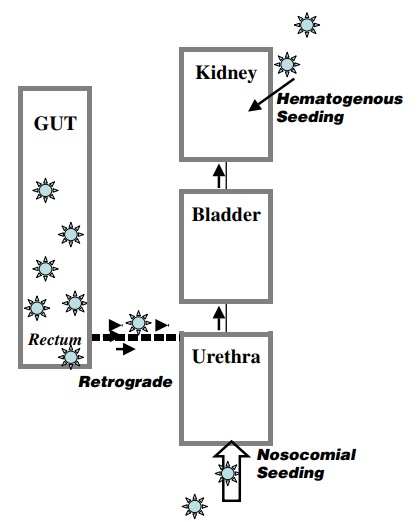
There are three mechanisms that could lead to an infection of the urinary tract: a) nosocomial infection through catheterization and instrumentation at the hospital, b) retrograde ascent of fecal or perineal bacteria, or c) systemic infection that involves the urinary tract. These mechanisms are depicted in Figure 1 [22].

Description: pathways for UTI.jpg

Colonization and invasion of the urinary tract through retrograde ascent is the major pathway for UTI (Robson, W. L. M., & Leung, A. K. 1995) [23]. Females have a higher risk for UTI since they have a shorter urethra than males and their perineum offers an enriched medium for enteric organisms’ colonization and attachment [4]. It is important to note that infections occur more in the lower urinary tract than they do in the upper urinary tract thus cystitis is much more common than pyelonephritis [24]. The invasion of the pathogens induces an inflammatory response in the host that produces inflammatory mediators and activates innate immune cells and proteins to migrate to the infection site and eradicate the pathogen. This inflammatory response could subsequently lead to tissue damage [25] & [26]. In specific, pyelonephritis causes a severe inflammatory response and could consequently cause renal scarring [1]. Uropathogens: Pathogens causing UTIs can be bacteria, viruses, or fungi though the major ones are bacteria and the causative agent differs depending on age, comorbidities, and other factors [4]. Among the bacterial pathogens causing cystitis or pyelonephritis in pediatrics, Escherichia coli (E. coli) is the most common one accounting for around 85% to 90% of cases [6]. It is also responsible for 68% to 77% of recurrent cases in all patient groups [19]. Other common gram-negative bacteria causing UTI are Klebsiella Pneumoniae (K. Pneumoniae), Enterobacter Aerogenes Serratia species, Pseudomonas Aeruginosa, Proteus Mirabilis, and Citrobacter (Leung, A. K. C. et al., 2019; & Shaikh, N. et al., 2007).[1,14] Also, common gram-positive bacteria include group B Streptococci, Staphylococcus Aureus, and Enterococcus species [16]. In female adolescents that are sexually active, the major causative agent for UTI is Staphylococcus Saprophyticus [27]. Staphylococcus Aureus and Salmonella are the pathogens responsible for UTI through hematogenous seeding in patients with sepsis [28]. Fungi such as Candida Albicans can cause nosocomial UTI mainly in patients that are using catheterization, are immunocompromised, or are on long-term use of broad spectrum antibiotic [29].  Viruses causing UTI are Enteroviruses, Echoviruses, and adenoviruses where the infection is usually limited to the lower urinary tract and adenoviruses are in specific the causing agent of hemorrhagic cystitis [27] & [22]. Risk Factors: Even though all infants, children and adolescents are at risk of developing a UTI, some of them are more susceptible due to various factors [6]. Neonates and Infants: Those individuals have an incompletely developed immune system that puts them at higher risk for UTI [30]. It has been reported that UTI is more frequent in premature infants than it is in term infants in the neonatal stage [31]. Studies have proposed a bimodal age of onset for UTI, peaking initially in the first year of age and again in the age between 2 years old and 4 years old reflecting the period when the child is trained to use the toilet [32] & [33]. Breastfeeding is thought to supplement the immune system of the neonates through passing IgA from the mother to her child and thereby providing a protective effect against UTI in the first few months [34]. 


Uncircumcised Male Infants: It has been reported since the 1980s that the incidence of UTI in uncircumcised boys is much higher than it is in circumcised boys mainly before the age of one year [35]. A cohort study showed that neonatal circumcision reduced UTI risk from almost 0.7% to 0.19% (To, T. et al., 1998) [36]. In uncircumcised boys, the foreskin harbors high count of bacterial colonies especially of uropathogenic bacteria that can invade the urinary tract and lead to an infection [37]. Circumcision remains a debatable topic especially that a systematic review addressed the topic and found that circumcision does not reduce UTI risk as much as it exposes boys to surgical complications [38]. 


Constipation: The major mechanism for UTI is through retrograde ascent of uropathogens as previously stated (Robson, W. L. M., & Leung, A. K. 1995) [23]. Constipation contributes to a higher UTI risk through increasing the fecal bacterial load (Sampaio, C. et al., 2016) [39]. Constipation is associated with fecal retention and low voiding frequency and it has been reported that children who have severe constipation are at high risk of having a severe infection of the lower urinary tract [40].


Functional and Anatomic Urinary Tract Anomalies: Disorders such as neurogenic bladder or dysfunctional elimination syndrome manifest in the inability to void and empty the bladder resulting in urinary retention and stasis as well as insufficient clearance of uropathogens; thus, the resulting elevated bladder pressure might in turn lead to pyelonephritis and associated vesicoureteral reflux (VUR) and renal damage [40]. Congenital anomalies of the kidneys and urinary tract (CAKUT) are nephrourological malformations that are risk factors for UTI and could lead to renal scarring and chronic kidney disease [41]. Such anomalies are also risk factors for recurrent UTI and if left untreated they could lead to renal scarring (Keren, R. et al., 2015) [42]. 


Other Factors: Pediatric patients who are immunocompromised and those suffering from diabetes mellitus, vitamin D deficiency, sickle cell anemia and other systemic disorders are at high risk of developing initial and recurrent UTI [43] & [44]. Additional factors include obesity and spina bifida where the latter necessitates routine catheterization and imposes high risk for UTI via nosocomial seeding and elevated risk for renal scarring and VUR [45] & [46]. An important risk factor in female adolescents is sexual intercourse affected by the number of partners and the frequency of sexual activity [47].


Clinical Presentation and Symptoms: Newborns that have UTI may have symptoms such as failure to thrive, fever, sepsis, vomiting, or jaundice while infants and children may present with foul-smelling urine, fever, abdominal or back pain, hematuria, and incontinence. Older children and adolescents may show typical UTI symptoms like those experienced by adults: dysuria, urgency, or frequency (White, B. 2011). Symptoms also vary depending on the location of infection whereby cystitis generally presents with typical symptoms while pyelonephritis is related to systemic symptoms like fever, lethargy, and vomiting [3]. Less commonly though, UTI can appear as an asymptomatic bacteriuria [8].


Diagnosis: UTI in pediatric patients is diagnosed by analyzing urine samples collected by suprapubic aspiration (SPA), urethral catheterization, clean-catch midstream, or collecting specimens using a urine collection bag when the child voids [9]. Despite being noninvasive and a simple mean for collecting urine, using urine bags is discouraged and not recommended due to the high contamination rate and common false positive results [48]. The gold standard for collecting urine specimens is SPA though it is invasive and least favored by physicians and parents (Subcommittee on Urinary Tract Infection, Steering Committee on Quality Improvement and Management. 2011). Many laboratories set the minimum threshold to define bacteriuria signifying UTI to be a bacterial growth of 105 CFU/mL (colony forming unit per milliliter) of a single pathogen [49]. Also, urine is assessed for signs of pyuria which is defined as the presence of 5-10 leukocytes/μL in unspun urine sample [9]. Dipsticks also search for C-reactive protein (CRP) (inflammatory marker), erythrocyte sedimentation rate (marks an infection), nitrite (marker that UTI is caused by Gram-negative bacteria), and leukocyte esterase (marker of pyuria) [9] & [50]. CRP and procalcitonin are biomarkers for pyelonephritis and possible subsequent renal scarring [40]. Proper and well-timed diagnosis of UTI in pediatric patients is of utmost importance for prompt intervention to prevent potential complications and sequelae like pyelonephritis, sepsis, hypertension, renal scarring, or even chronic renal insufficiency [51]. Therefore, imaging techniques like Dimercapto-Succinic Acid (DMSA) scan and Voiding Cystourethrogram (VCUG) are recommended for pediatric patients whenever UTI is diagnosed [46]. DMSA detects renal scars while VCUG detects VUR and obstruction and other anomalies are usually allocated via renal-bladder ultrasound (RBUS) [52].


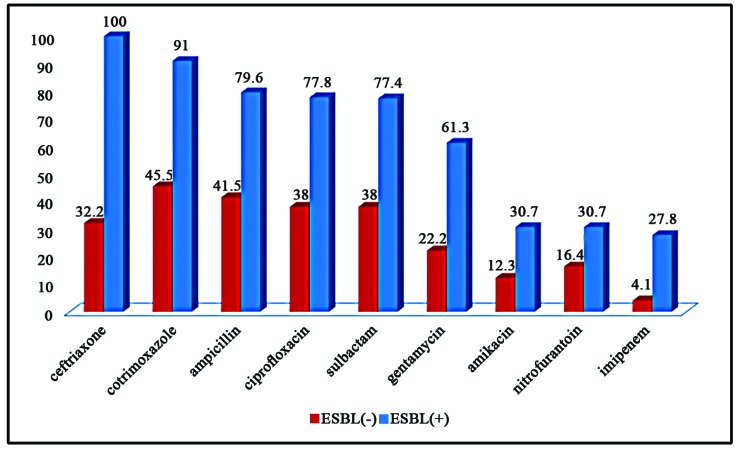
UTI Treatment and Drug Resistance: Since the delay in antibiotic administration for treating pediatric febrile UTIs elevates the risk of renal scarring, it has been recommended to initiate antibiotic treatment as soon as UTIs are suspected even before obtaining the results of urinalysis [43]. Aware that antimicrobial susceptibility testing by conventional microbial culturing requires a period of 48-72 hours, physicians tend to use an empirical antibiotic treatment to prevent renal scarring and progressive renal failure especially in children with recurrent pyelonephritis [54]. This empirical antibiotic selection is regularly determined following local susceptibility patterns [55]. The least broad-spectrum antibiotic should be selected such as Cefixime or Gentamicin though some physicians occasionally prefer less nephrotoxic Cephalosporins like Cefotaxime or Ceftriaxone even though they have a broader spectrum, and then the narrowest spectrum antimicrobial drug should be used as therapy once the susceptibility results are obtained [9]. It has been reported that both oral and parenteral administration of antimicrobial drug therapy are equally efficient [56]. Lately, resistance to antimicrobial drugs has been escalating specifically due to the emergence of organisms producing extended spectrum β-lactamase (ESBL) [11]. Emergence of ESBLs is mainly due to the excessive and inappropriate usage of Cephalosporins and Aztreonam, and ESBL-producing Enterobacteriaceae are a concern at both hospital and community settings reported worldwide [5]. ESBLs are enzymes capable of hydrolyzing Cephalosporins and Monobactams, inhibited by β-lactamase inhibitors like Tazobactam and Clavulanic acid, incapable of inactivating Cephamycins and Carbapenems, and commonly produced by E. coli and Klebsiella [57]. ESBL-producing organisms are significantly more resistant to different types of antibiotics than organisms that don’t produce ESBLs with full resistance to ceftriaxone as shown in Figure 2 (Yousefipour, M. et al., 2019) [58].


Description: esbl comparison.jpg

Figure 2: Difference in antimicrobial resistance between ESBL-producing bacteria (blue) and those that don’t produce ESBLs (red)


It is noteworthy that ESBL-producing bacteria cause much worse UTI than their counterparts [59]. Selection of drugs against ESBL-producing pathogens is complicated especially that they are recently becoming resistant to Fluoroquinolones and Carbapenems in many countries [60]. The lack of availability of antibiotic options along with the delayed onset of effective therapy subjects patients of ESBL-UTI to poor outcome and high mortality risk [57]. A hospital based cross sectional study in Sri-Lanka suggested that the majority of ESBL-UTIs are community acquired since E. coli rates were higher than Klebsiella and called for strict adherence to antibiotic guidelines to restrict emergence of multi drug resistance organisms [12].


UTI in Lebanon: In Lebanon, the latest study concerning the epidemiology and risk factors of ESBL-UTI in children less than 18 years old was conducted between 2001 and 2011 and emphasized the need for further studies to formulate new guidelines for the management of UTIs and the usage of appropriate antibiotics in the context of the recognition of the risk factors as well as the observation of the increased overall bacterial resistance to antibiotics [13]. The prescription of antibiotics is unregulated in the Middle East thus the resistance patterns of uropathogens, and ESBL-producing bacteria in specific, are alarming in some countries at the region like Syria and Turkey [61] & [62]. Similarly, in Lebanon the emergence of resistance is of concern. It is crucial to assess the prevalence, clinical characteristics, and management methods of UTIs with the appropriate spectrum of antibiotics in pediatrics patients with UTI caused by ESBL and admitted to different Lebanese hospital.


Primary Objective: The primary objective of our thesis was to determine the prevalence of ESBL-UTIs among children less than 12 years old admitted for UTI management in multi-centric Lebanese academic hospitals between January 2012 and December 2017. Secondary Objectives: 1) Toidentify the risk factors associated with ESBL-UTIs and differentiate them from the other factors associated with isolated UTIs; 2) To describe the clinical presentations of the UTIs and ESBL-UTIs as well as the ways of diagnosis, course of hospitalization, and methods of management; and 3)Recognize the spectrum of antibiotics used and observe the percentage of resistance emergent when treating ESBL-UTIs.

SUBJECTS AND METHODS

Ethical Information:

This study was granted the institutional review board committee’s approval of the Rafik Hariri University Hospital. This approval enabled us to access the patients’ medical records and fill the case report form template. The study was confidential as the patients’ identities were kept anonymous and the filled forms were safely stored where only the personnel conducting this study had access to them. Study Design: This was an observational, cross-section study enrolling pediatric patients with UTI in Lebanon between January 2012 and December 2017. Study Population: Number of Participants: Data from 211 patients was assessed in this study. 


Inclusion criteria: Patients were entitled to participate in our study and the questionnaire was filled anonymously from records if they met the below criteria: Aged between 6 months and 12 years; Immunocompetent and immunocompromised; any nationality; has UTI regardless whether for the first time in their life or recurrent; and admitted at Rafik Hariri University Hospital. Exclusion criteria: Patients excluded from this study were those beyond the designated age range and without any documented UTI. Procedure of data collection: Collected data from medical records included information concerning the demographics of the patients, their past medical and surgical histories, their clinical features, laboratory findings, as well as radiologic findings. Also, urine pathogens and their antibiotic susceptibility records were collected. Patients were initially divided into 2 groups: ESBL-UTI patients and non-ESBL-UTI patients. Severity of clinical presentation was compared between both groups on the basis of fever, dysuria, abdominal pain, frequency/urgency, and intensive care unit (ICU) admission. Other differences in morbidity were assessed as well: ICU length of stay, hospital length of stay, and febrile duration. Similarly, these morbidity differences were assessed between patients treated with Imipenem or Meropenem with respect to other patients.


Statistical Analysis: 

Data was entered on Excel using a uniform coded form. Checkups were made at random intervals to ensure the conformity of the Excel file and the paper questionnaire. Then data was analyzed using SPSS version 23. All categorical variables were described using their frequency and percentage, while quantitative ones were represented by their means and standard deviations. Minimum, maximum, median, 25th and 75th percentiles were noted as well. Chi-square and Fisher’s exact tests were used to compare two categorical variables. Independent Samples Mann Whitney U Test was used to compare the mean differences between two groups since the distribution of our dependent variables weren’t following normal curve. Statistical significance was set at P-value < 0.05.

RESULTS

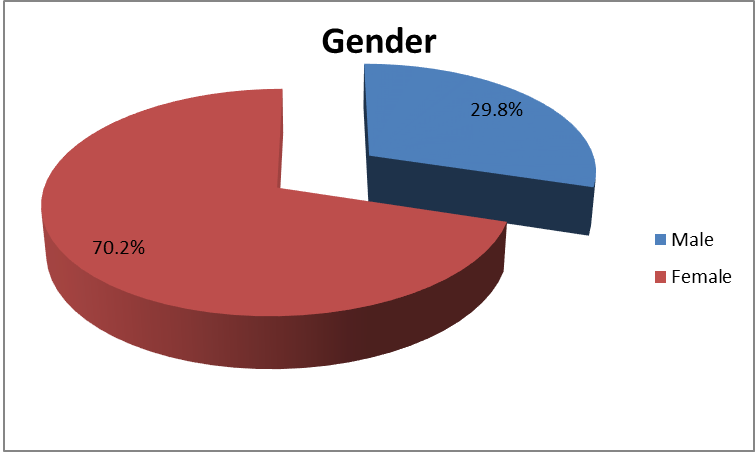
Socio-demographic Characteristics: Gender: The majority of the patients were females (70.2%) as shown in Figure 3.

Figure 3: Distribution of the patients according to their gender


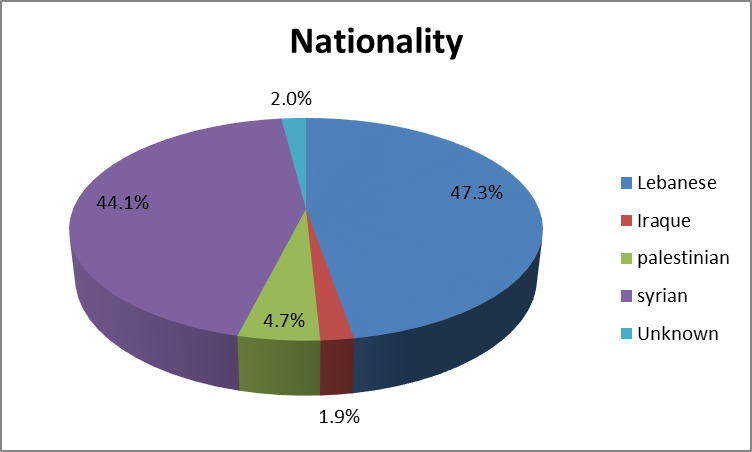
Nationality: Almost half of our sample (47.3%) was Lebanese. A high proportion (44.1%) were Syrians while the remaining were from other countries like Palestine (4.7%) and Iraq (1.9%) and 2% did not specify their nationality as shown in Figure 4.

Figure 4: Distribution of the patients according to their nationality


Other Demographic Characteristics: The mean age of the patients was 2.85 years (±2.58) ranging from 3 months to 11 years old. The mean height was 84.6 cm (±20.8), while the mean weight was 12.2 kg (±7.14) as detailed in Table 2.


Table 2: Descriptive statistics of the patients by age, height, and weight

Criteria

Mean

Standard Deviation

Median

Percentile 25

Percentile 75

Minimum

Maximum

Age (years)

2.85

2.58

2.0

.83

4.0

.25

11.0

Height (cm)

84.6

20.8

78.0

70.0

97.0

45.0

150.0

Weight (kg)

12.2

7.14

10.0

7.30

15.0

1.20

45.50


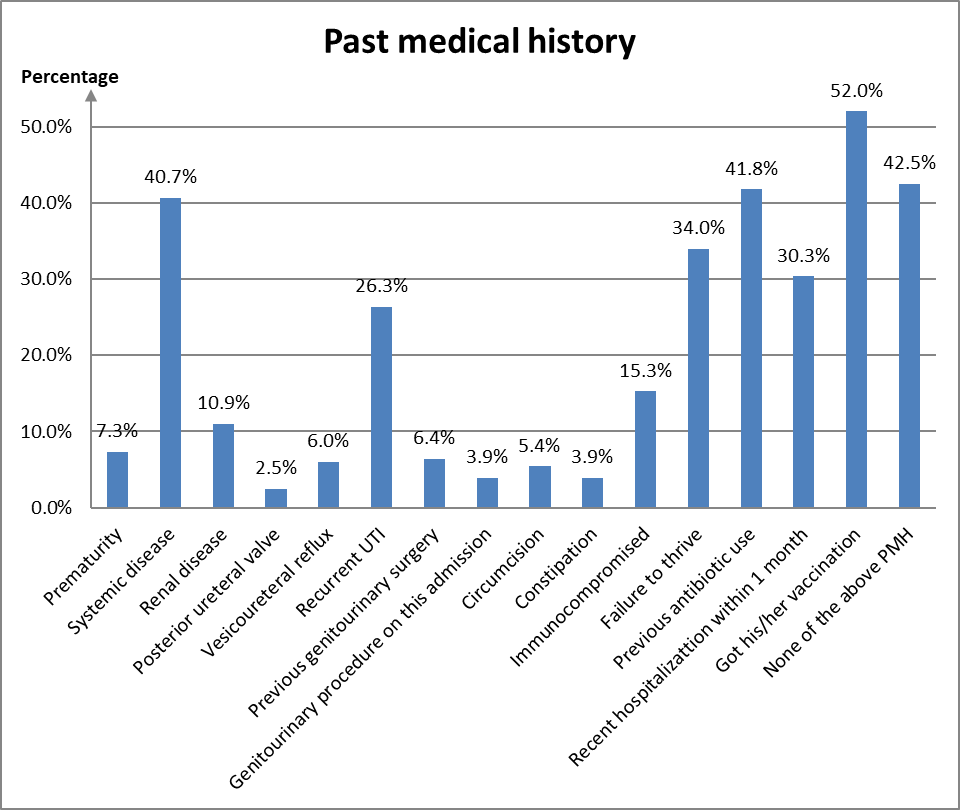
Clinical Characteristics: Medical History: We note that 40.7% among the patients had systemic diseases, 26.3% had recurrent urinary tract infections, 15.3% were immunocompromised, and 42.5% didn’t have any past medical history. However, it is noted that only half of the patients (52%) took their vaccination according to their ages. Figure 5 below shows the past medical history of our patients.

Figure 5: Distribution of the patients according to their past medical history


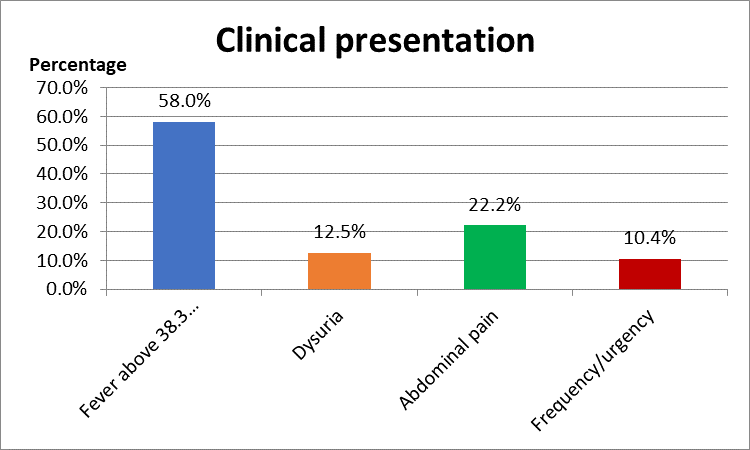
Clinical Presentation: The majority of the patients presented with fever above 38.3 degrees, followed by abdominal pain (22.2%), dysuria (12.5%), and urgency (10.4%) as shown in Figure 6.


Figure 6: Distribution of the patients according to the faced clinical presentation


Hospital Stay and Fever: Fever lasted for 3 days on average and the length of stay at the ICU had a mean duration of 2 days while the mean length of hospital stay was 11 days as shown in Table 3.


Table 3: Descriptive statistics of the febrile duration and length of stay at the ICU and at the hospital

 CriteriaMeanStandard DeviationMedianPercentile 25Percentile 75MinimumMaximum
Febrile Duration (Days)33213020
ICU Length of Stay (days)2110000114
Hospital Length of Stay (days)111463121114


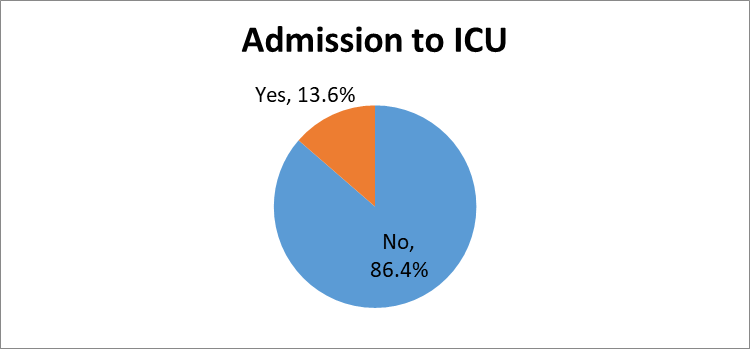
Admission to ICU: Out of the enrolled patients in our study, 86.4% were not admitted to ICU while 13.6% were admitted as presented in Figure 7.


Figure 7: Distribution of the patients according to admission to ICU


Biological Characteristics:

Mean hemoglobin level was 10.66 g/dL. The mean count of white blood cells was 13.5 cells/μL; of platelets it was 371.53 x 10³ cells/μL; Percentage of neutrophils was 55.05% and levels of CRP, blood urea nitrogen (BUN), and creatinine were 51.57 mg/dL, 17.14 mg/dL, and 0.38 mg/dL respectively. Table 4 below shows the detailed results. 


Table 4: Descriptive statistics of the biological parameters as reported in our patients

ParameterMeanStandard DeviationMedianPercentile 25Percentile 75MinimumMaximum
Hemoglobin (g/dL)10.671.9210.99.811.82.418.9
WBC (/μL)13.548.0311.958.216.50.144.4
Neutrophils (%)55.0518.155546.367.74.596
Platelets (x103/μL)371.53182.4235926248531180
CRP (mg/dL)51.5782.4914.174.559.60.1456.3
BUN (mg/dL)17.1422.399.646.8816.280.22126.4
Creatinine (mg/dL)0.380.97000.2707


Culture Results: Biological Content of the Urine Cultures:

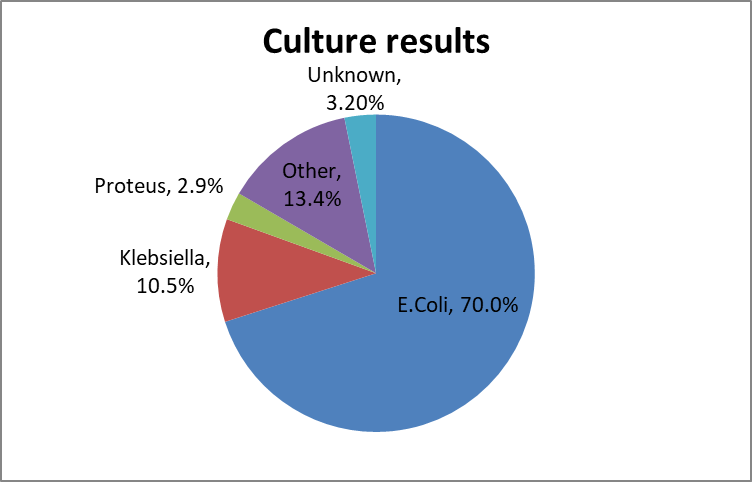
The majority (70%) of the patients had E. coli in their urine culture, while Klebsiella was found in 10.5% and Proteus in 2.9% of the cultures. Figure 8 shows the germs found in culture results.


Figure 8: Biological content of the urine cultures of the patients


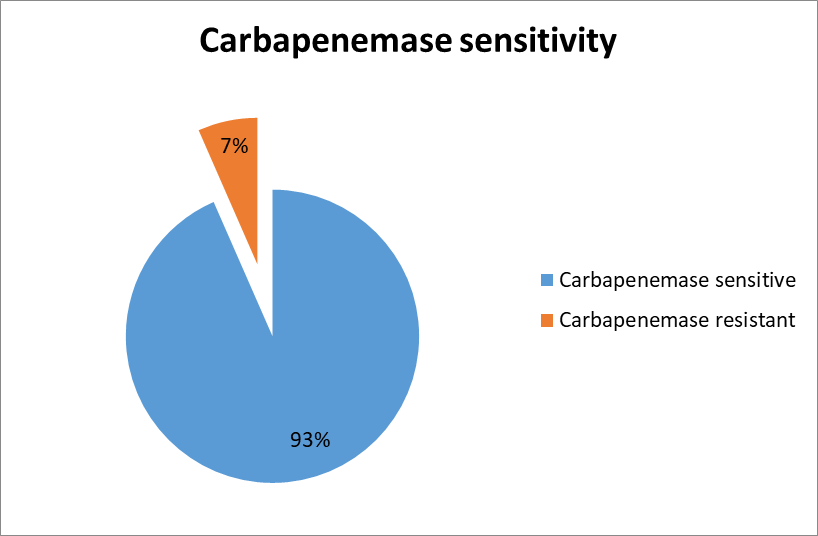
Sensitivity Profile: Carbapenemase Sensitivity: Figure 9 shows that 7% of the germs found in the urine culture were resistant to Carbapenemase.


Figure 9: Distribution of the germs in the urine cultures according to their Carbapenemase sensitivity profile


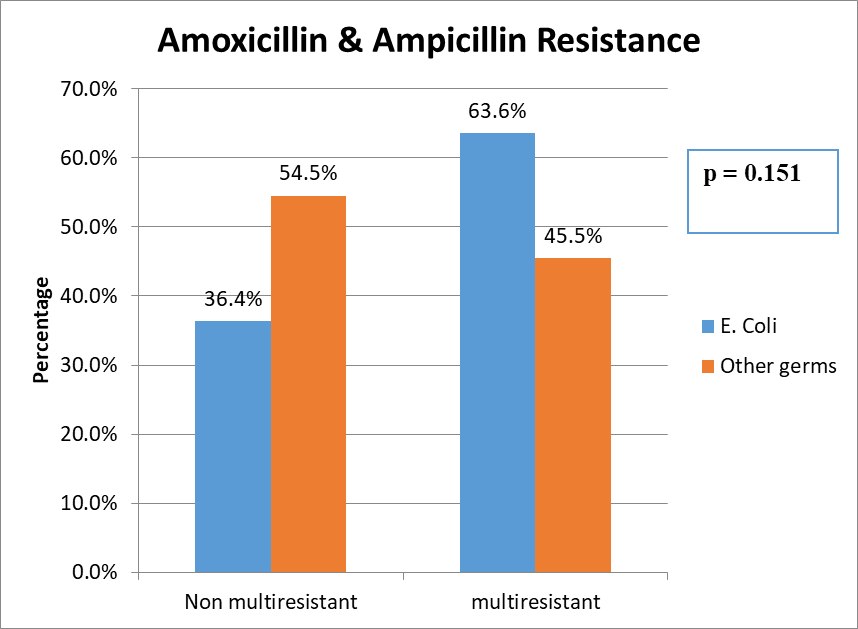
Amoxicillin and Ampicillin Resistance: As shown in Figure 10 below, 63.6% of E. coli cultures were multi-resistant compared to 45.5% of other germs yet this difference between E. coli and other germs in terms of resistance to Amoxicillin and Ampicillin was statistically insignificant (P-value = 0.151).

Figure 10: Resistance of E. coli and other germs to Amoxicillin and Ampicillin

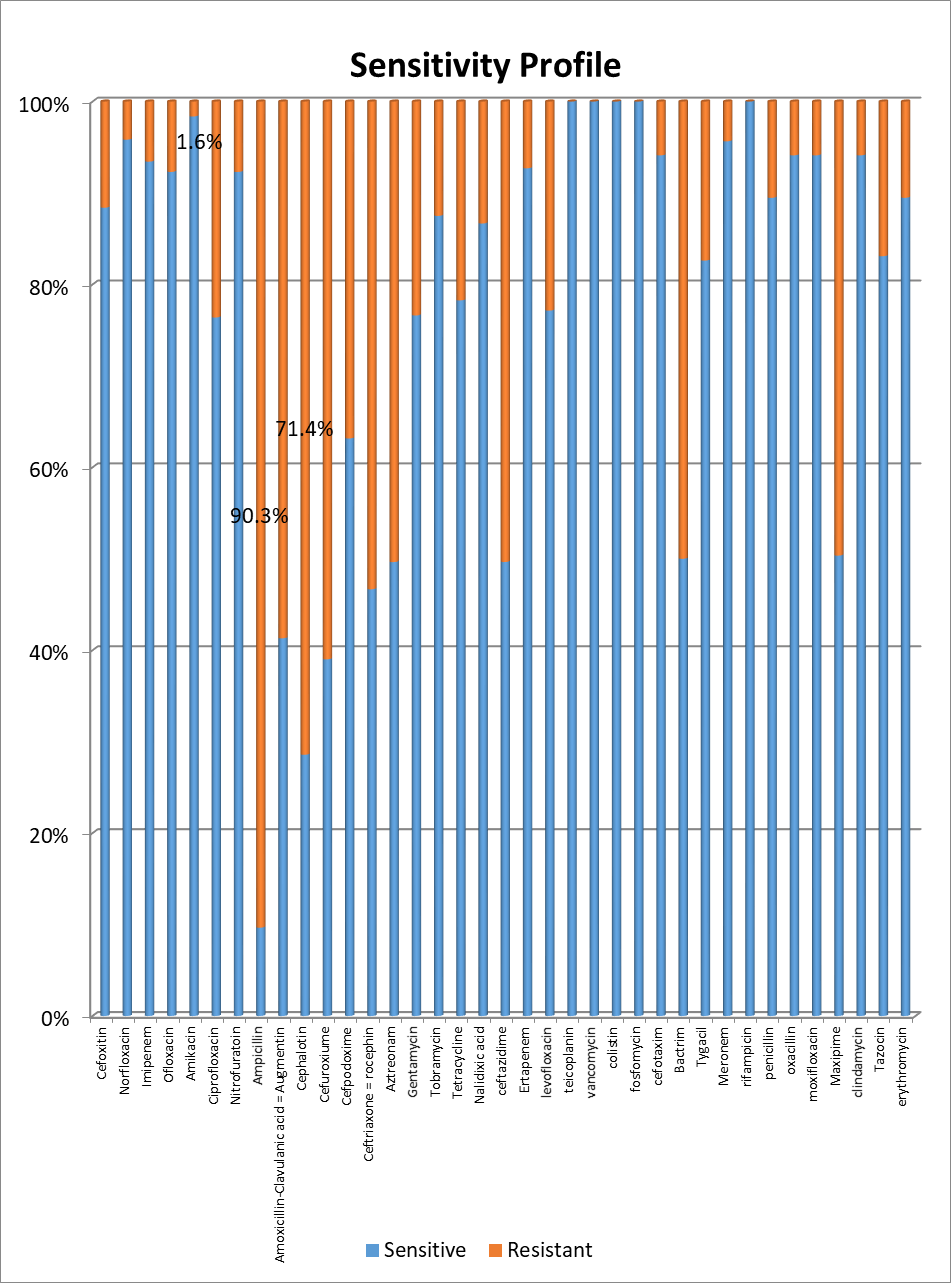
Antibiotics Resistance Profiles: The highest resistances were noted for Ampicillin (90.3%) followed by Cephalotin (71.4%). However, other antibiotics had way lower resistance, such as Amikacin (1.6%), or even no resistance at all as it was the case with Vancomycin, Teicoplanin, Colistin, and Fosfomycin (0%). Figure 11 below shows the resistance profile of the bacterial isolates for all antibiotics.


Figure 11: Sensitivity profile of uropathogens

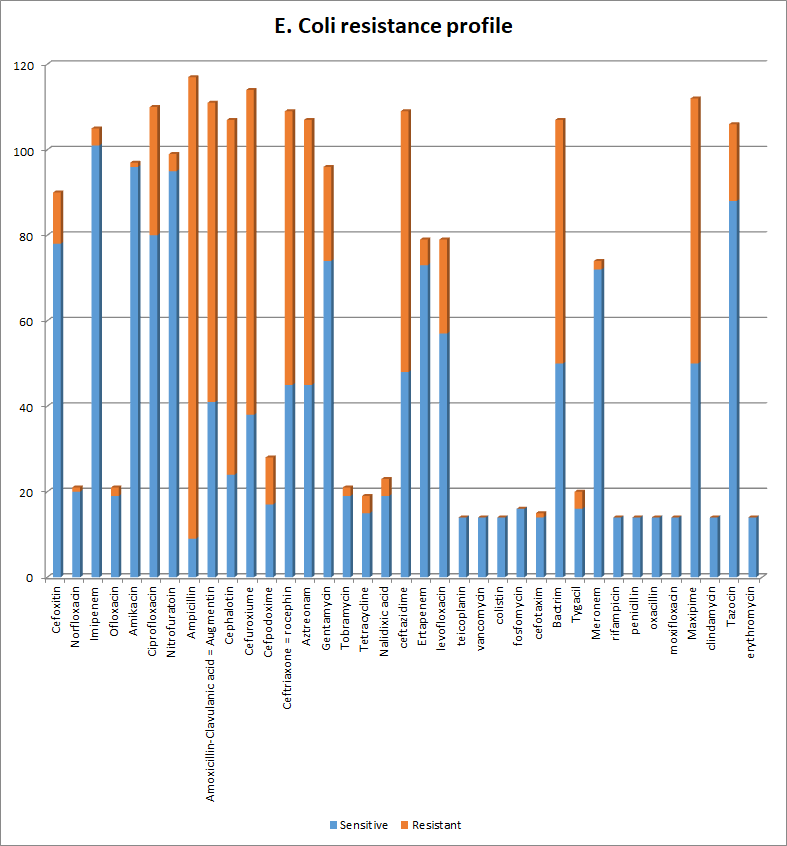
Statistical tests weren’t feasible at this stage due to missing data in many antibiograms, making it very hard to statistically compare these observed differences. However, the full detailed sensitivity profile table is provided in Annex 3 for additional information. Resistance Profile of E. coli: Results showed alarmingly high resistance in isolated E. coli to Ampicillin, Cephalotonin, Cefuroxime, Amoxicillin / Clavulanic acid (Augmentin®), Ceftriaxone, Aztreonam, Trimethoprim/Sulfamethoxazole (Bactrim®), and Cefepime (Maxipime®). Fortunately, no resistance was observed against Vancomycin, Teicoplanin, Colistin, Fosfomycin, Oxacillin, Rifampicin, and others. Resistance profile of E. coli is presented in Figure 12.

Description: e. coli.png

Figure 12: Resistance profile of isolated E. coli


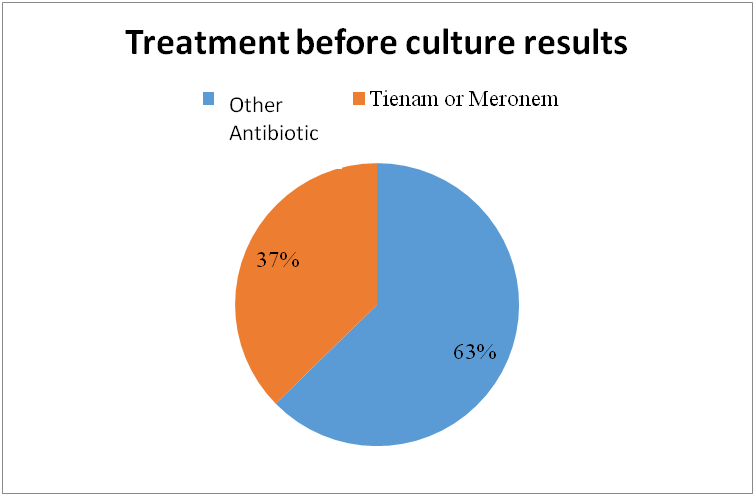
Treatment Options: Figure 13 below shows that 37% of the patients were treated with Tienam or Meronem before culture results.

Figure 13: Distribution of patients according to whether they were administered with Tienam or Meronem or with other antibiotic therapy before obtaining culture results


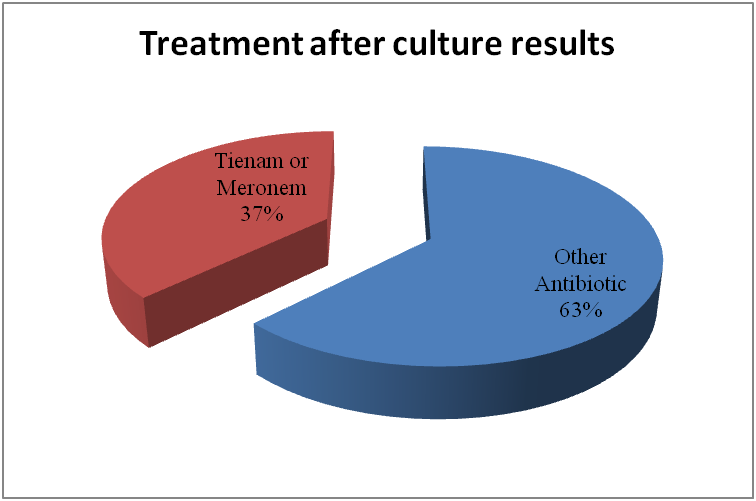
Figure 14 shows that even after culture results, 37% of the patients were still being treated with Tienam or Meronem.


Figure 14: Distribution of patients according to whether they were administered with Tienam or Meronem or with other antibiotic therapy after obtaining culture results


Clinical Differences between ESBL-UTI Patients and others: Following Fisher’s exact test, no statistically significant difference was obtained between patients who had E. coli producing ESBL in their urine culture and those who had non-ESBL-producing E. Coli in their urine culture in terms of fever above 38.3̊C (P-value = 0.679), dysuria (P-value = 0.957), abdominal pain (P-value = 0.737), frequency/urgency (P-value = 0.75), and admission to ICU (P-value = 0.709) as presented in Table 5.


Table 5: Clinical differences between UTI pediatric patients infected with non-ESBL versus those infected with ESBL-producing E. coli

Clinical CriteriaE. coliTotalP-value
Non-ESBLESBL
Fever above 38.3̊CNoFrequency1327400.679
% within Fever32.50%67.50%100%
YesFrequency244165
% within Fever36.90%63.10%100%
DysuriaNoFrequency2337600.957
% within Dysuria38.30%61.70%100%
YesFrequency61016
% within Dysuria37.50%62.50%100%
Abdominal PainNoFrequency2130510.737
% within Abdominal pain41.20%58.80%100%
YesFrequency81725
% within Abdominal pain32.00%68.00%100%
Frequency / UrgencyNoFrequency2239610.75
% within Frequency / urgency36.10%63.90%100%
YesFrequency6713
% within Frequency / urgency46.20%53.80%100%
Admission to ICUNoFrequency3354870.709
% within Admission to ICU37.90%62.10%100%
YesCount257
% within Admission to ICU28.60%71.40%100%


It is noteworthy that some information concerning the studied clinical criteria was missing from the medical records of some patients. Therefore, Table 5 above excludes the unknown information or blanks and is restricted to definitive information. Differences in Morbidity among UTI Patients: According to E. coli Strain: Results show enough statistical evidence to claim that UTI patients with ESBL-producing E. coli have a longer length of stay in the hospital than their counterparts (P-value = 0.002) but not enough evidence to conclude about ICU length of stay or febrile period (P-value > 0.05). Results of the independent-samples Mann-Whitney U tests are presented in Table 6.


Table 6: Difference in morbidity between ESBL and non-ESBL-producing E. coli in UTI patients

Null HypothesisTestSig.Decision
The distribution of length of stay (days) in the ICU is the same across categories of ESBL.Independent-Samples Mann-Whitney U Test0.882Retain the null hypothesis.
The distribution of length of stay (days) in the hospital is the same across categories of ESBL.Independent-Samples Mann-Whitney U Test0.002Reject the null hypothesis.
The distribution of febrile duration (days) is the same across categories of ESBL.Independent-Samples Mann-Whitney U Test0.678Retain the null hypothesis.

According to Antibiotic Treatment: Table 7 below shows that there is a statistically significant difference between patients who were treated with Imipenem or Meropenem and those who weren’t in terms of length of stay at the hospital (P-value < 0.001)


Table 7: Differences in morbidity between UTI patients treated with Imipenem or Meropenem and those treated with another therapy

Null HypothesisTestSig.Decision
The distribution of length of stay (days) in ICU is the same across categories of antibiotic before culture results.Independent-Samples Mann-Whitney U Test0.614Retain the null hypothesis.
 The distribution of length of stay in the hospital (days) is the same across categories of antibiotic before culture results.Independent-Samples Mann-Whitney U Test<0.001Reject the null hypothesis.
The distribution of febrile duration (days) is the same across categories of antibiotic before culture results.Independent-Samples Mann-Whitney U Test0.72Retain the null hypothesis.
DISCUSSION

This study assessed some characteristics of pediatric UTI patients in Lebanon and aimed at identifying some risk factors, antibiogram susceptibilities of ESBL-producing pathogens, and differences in morbidity and clinical presentation between patients according to antibiotic treatment and isolated pathogen. Out of the total of 211 patients enrolled in this study, the majority were females (70.2%). In general, UTIs are more common in females than in males due to their shorter urethra and increased colonization of their perineum by enteric pathogens [4]. While 47.3% of the pediatric UTI patients at Rafik Hariri University (Public) Hospital were Lebanese, 44.1% were Syrians and the few remaining were Palestinians, Iraqis, or of other unspecified nationalities. This is mainly due to the Syrian crisis and the influx of refugees to Lebanon, considered a burden to the Lebanese public healthcare system [63]. The mean age of the patients was 2.85 years (±2.58) with a median of 2 years which comes in accordance with the proposition that UTI peaks during the first year of age and then again between 2 and 4 years of age as this is the period when children become toilet-trained [32] & [33]. A retrospective study conducted in Saudi Arabia on 82 children with UTI between 1997 and 2000 reported that 71% of patients were between 1 and 5 years old and that 89% of them were [64]. This study supports our findings concerning gender and age. Upon reviewing the past medical history of the patients in our study, we noted that 40.7% of them had systemic diseases, 41.8% were previously using antibiotic, 30.3% were pre-hospitalized within a month, and 15.3% were immunocompromised. These results are not surprising especially that one of the mechanisms of UTI is through systemic infection that could reach or involve the kidneys and that immunosuppression and hospitalization are risk factors making patients more prone to UTI [22] & [65]. Our results showed that 26.3% of the patients had a recurrent UTI and 6% had VUR. It has been reported that one third of UTI patients would experience re-infection and the risk increases with VUR, thus complying with our findings [42]. Knowing that 29.8% of the enrolled patients were males and since only 5.4% of the total patients were circumcised, it is suggestive that UTI rate was higher in uncircumcised boys. Schoen et al., reported that circumcision reduces the risk of UTI in the first year of life by 9.1 folds [37]. Though constipation is a major risk factor for UTI in children, only 3.9% of the enrolled UTI patients in our study had a past history of constipation [23]. Concerning the observed clinical presentations, the major symptom was fever above 38.3̊C reported in 58% of the patients, followed by abdominal pain (22.2%), dysuria (12.5%), and urgency (10.4%). Usually in young children and infants clinical diagnosis is challenging since they often cannot articulate their symptoms and illnesses adequately [66]. On average, febrile duration lasted 3 days where the maximum duration was 20 days. Length of stay in the ICU and hospital were on average 2 and 11 days respectively and 13.6% of the patients were admitted to ICU. Care should be provided to patients with a high fever persisting more than 48 hours since it could lead to renal damage and other complications [9]. Biological testing and imaging reports were used to properly diagnose UTI and any possible anomalies. Results showed that the mean CRP of the patients was 51.57 mg/dL. It has been reported that CRP is a biomarker for pyelonephritis and signifies possible renal scarring when its level exceeds 40 mg/dL [40]. Creatinine level is a marker of acute kidney injury and BUN is used for evaluating the function of the kidneys [67][51]. The biological content of the urine cultures showed that 70% of the isolated organisms were E. coli, 10.5% were Klebsiella and 2.9% were Proteus while the remaining were either of other organisms (13.4%) or unknown (3.2%). The most common pathogen isolated from urine specimens of pediatric UTI patients by Garout et al.,. was E. coli followed by K. pneumoniae [50]. Our results showed that 7% of the isolated pathogens were resistant to Carbapenem. It was previously reported by Salem et al., in 2012 that 7.84% of K. pneumoniae and 2.15% of E. coli isolated from Lebanese patients were Carbapenem-resistant and that these rates are alarming and require prompt action [68]. Also, our results showed that 63.6% of the isolated E. coli was multi-resistant to amoxicillin and ampicillin compared to 45.5% of other germs. A study on E. coli antimicrobial resistance in pediatric UTI patients in Ecuador reported that 92% of outpatients and 88% of the hospitalized patients were ampicillin-resistant [69]. Upon comparing resistance profiles to different antimicrobial drugs, highest and alarming resistances were noted for ampicillin (90.3%) followed by Cefalotin (71.4%). On the other hand, other antibiotics had way lower resistance, such as Amikacin (1.6%), or even no resistance at all as it was the case with Colistin, and Fosfomycin (0%). A similar trend was observed in the E. coli resistance profiles. This shows that the emerging resistance is challenging as it is limiting the therapy options and making it expensive especially that Fosfomycin and Colistin are very costly antibiotics [12]. Our results also showed some resistance to ciprofloxacin which is a Fluoroquinolone and this resistance adds up to making the selection of antibiotics for treating UTI a tough task [60]. These findings reflect on the unregulated and over prescription of antibiotics in Lebanon and that actions should be made to limit their usage and prevent further emergence of resistance [13]. We found that the broad spectrum antibiotics Imipenem and Meropenem were administered to 37% of pediatric UTI patients before obtaining culture results and that the percentage remained surprisingly the same even after obtaining the culture results. It is recommended to divert to an antibiotic with the narrowest possible spectrum after knowing the culture content and susceptibility [9]. Out of the total 65 pediatric UTI patients presenting with fever, 63.1% were infected with ESBL-producing E. coli. The same trend was observed for other clinical criteria since ESBL-producing E. coli had higher percentage within dysuria (62.5%), abdominal pain (68%), and urgency (53.8%), and ICU admission (71.4%) than the non-ESBL ones. Yet, no significant difference was reported in any (P-values > 0.05). Results showed that UTI patients with ESBL-producing E. coli had a longer length of stay in the hospital than their counterparts (P-value = 0.002). Moreover, we found significant difference in the length of stay at the hospital between pediatric UTI patients who were treated with Imipenem or Meropenem before culture results and those who weren’t (P-value < 0.001). It has been reported in a meta-analysis by Flokas et al., [70]. that the length of stay at the hospital is 1.5 times longer in pediatric patients with UTI caused by ESBL-producing Enterobacteriaceae than it is in those with caused by other uropathogens and that appropriate treatment for these ESBL-UTIs is crucial to reduce hospitalization cost and prevent renal scarring and associated hypertension, chronic kidney disease or other sequelae [70]. This increased hospitalization duration can be explained by the delayed and limited options for antibiotic therapy especially that ESBL-producing pathogens are becoming more and more resistant to various drugs [71]. This shows that ESBL-producing uropathogens impose a financial and health burden to the Lebanese pediatric UTI patients.


Limitations: 

We wanted our study to be multicentric and aimed at including all pediatric UTI patients from multiple hospitals in Lebanon covering public and private practices; however, we were only granted the approval of Rafik Hariri Hospital’s ethical committee, which is a public hospital. Some hospitals also claimed not having an inventory of the medical records for us to collect the data. As such, our study was only limited to the patients at one public hospital in Lebanon. Have we been able to include more patients from other hospitals, the results would have possibly been affected, especially if we could highlight the private versus public hospitals practices, or reflect on socio economic status of patients. Obtaining results from different hospital settings eliminate any bias and interference of the hospital environment. Also, some required information was not included in the medical records of some patients and this also posed as a limitation in our study. 

CONCLUSION

This study assessed some characteristics of pediatric UTI patients in Lebanon and identified some risk factors, susceptibilities and differences between patients with ESBL-UTI and their counterparts. The current study to our knowledge is the most recent research covering the topic of pediatric patients with UTI in Lebanon studied the prevalence of ESBL-producing pathogens in the urinary tract of infected patients and their resistance profiles. Pathogens are becoming more resistant to a wide range of antibiotics and we showed that resistance to Fluoroquinolones and Carbapenems are alarming. More efforts should be put by the ministry of public health and healthcare workers, especially physicians, to regulate and limit the prescription of antibiotics. We recommend that physicians divert to antibiotics with the narrowest possible spectrum after obtaining culture and susceptibility profiles in order to restrict the emergence of resistance as much as possible. Also, more attention should be paid to catheterization and instrumentation at the hospital setting especially when treating patients with UTI to limit the spread of ESBL-producing pathogens in the community. New guidelines for antibiotic prescription and utilization should be implemented and alternative antibiotics should be used. Thankfully, our study showed null resistance to few antibiotics that can be used as alternatives. Further research should focus on tackling some controversial topics surrounding pediatric UTIs such as some risk factors like circumcision and antibiotic duration and dosage. Thus, ESBL-UTI and the emerging resistance are challenging as the antibiotic therapy options and being limited leading to increased hospitalization and expenses.

Conflict of Interest:

The authors declare that they have no conflict of interest

Funding:

No funding sources

Ethical approval:

The study was approved by thePediatrics Lebanese University 

REFERENCES
  1. Leung, Alexander KC, et al. "Urinary tract infection in children." Recent patents on inflammation & allergy drug discovery 13.1 (2019): 2-18. doi: 10.2174/1872213X13666181228154940. PMID: 30592257. https://www.ncbi.nlm.nih.gov/pmc/articles/PMC6751349/

  2. Bhat, Rahul G., Tamara A. Katy, and Frederick C. Place. "Pediatric urinary tract infections." Emergency Medicine Clinics 29.3 (2011): 637-653. doi: 10.1016/j.emc.2011.04.004. PMID: 21782079. https://linkinghub.elsevier.com/retrieve/pii/S0733-8627(11)00038-1

  3. Korbel, Lindsey, Marianella Howell, and John David Spencer. "The clinical diagnosis and management of urinary tract infections in children and adolescents." Paediatrics and international child health 37.4 (2017): 273-279. doi: 10.1080/20469047.2017.1382046. PMID: 28978286. https://doi.org/10.1080/20469047.2017.1382046

  4. Chang, Steven L., and Linda D. Shortliffe. "Pediatric urinary tract infections." Pediatric Clinics 53.3 (2006): 379-400. vi. doi: 10.1016/j.pcl.2006.02.011. PMID: 16716786. https://linkinghub.elsevier.com/retrieve/pii/S0031-3955(06)00027-7

  5. Al-Mayahie, Sareaa, and Jaafar JH Al Kuriashy. "Distribution of ESBLs among Escherichia coli isolates from outpatients with recurrent UTIs and their antimicrobial resistance." The Journal of Infection in Developing Countries 10.06 (2016): 575-583. doi: 10.3855/jidc.6661. PMID: 27367005. https://jidc.org/index.php/journal/article/view/27367005

  6. Becknell, Brian, et al. "The diagnosis, evaluation and treatment of acute and recurrent pediatric urinary tract infections." Expert review of anti-infective therapy 13.1 (2015): 81-90. doi: 10.1586/14787210.2015.986097. PMID: 25421102. https://www.ncbi.nlm.nih.gov/pmc/articles/PMC4652790/

  7. White, Brett. "Diagnosis and treatment of urinary tract infections in children." American family physician 83.4 (2011): 409-415. PMID: 21322515. https://www.aafp.org/afp/2011/0215/p409.html

  8. Wettergren, Bjorn, et al. "Six year follow up of infants with bacteriuria on screening." British Medical Journal 301.6756 (1990): 845-848. doi: 10.1136/bmj.301.6756.845. PMID: 2282422. https://www.ncbi.nlm.nih.gov/pmc/articles/PMC1663970/

  9. Robinson, Joan L., et al. "Urinary tract infection in infants and children: Diagnosis and management." Paediatrics & child health 19.6 (2014): 315-319. PMID: 25332662. https://www.ncbi.nlm.nih.gov/pmc/articles/PMC4173959/

  10. Prasad, Michaella Maloney, and Earl Y. Cheng. "Imaging studies and biomarkers to detect clinically meaningful vesicoureteral reflux." Investigative and clinical urology 58.Suppl 1 (2017): S23-S31. PMID: 28612057. https://www.ncbi.nlm.nih.gov/pmc/articles/PMC5468261/

  11. Delbet, Jean Daniel, Mathie Lorrot, and Tim Ulinski. "An update on new antibiotic prophylaxis and treatment for urinary tract infections in children." Expert opinion on pharmacotherapy 18.15 (2017): 1619-1625. doi: 10.1080/14656566.2017.1383383. PMID: 28954556. https://www.tandfonline.com/doi/abs/10.1080/14656566.2017.1383383?journalCode=ieop20

  12. Fernando, M. M. P. S. C., et al. "Extended spectrum beta lactamase producing organisms causing urinary tract infections in Sri Lanka and their antibiotic susceptibility pattern–a hospital based cross sectional study." BMC infectious diseases 17.1 (2017): 1-6. doi: 10.1186/s12879-017-2250-y. PMID: 28187754. https://pubmed.ncbi.nlm.nih.gov/28187754/

  13. Hanna-Wakim, Rima H., et al. "Epidemiology and characteristics of urinary tract infections in children and adolescents." Frontiers in cellular and infection microbiology 5 (2015): 45. doi: 10.3389/fcimb.2015.00045. PMID: 26075187. https://www.ncbi.nlm.nih.gov/pmc/articles/PMC4443253/

  14. Shaikh, Nader, et al. "Prevalence of urinary tract infection in childhood: a meta-analysis." The Pediatric infectious disease journal 27.4 (2008): 302-308. doi: 10.1097/INF.0b013e31815e4122. PMID: 18316994. https://journals.lww.com/pidj/Abstract/2008/04000/Prevalence_of_Urinary_Tract_Infection_in.4.aspx

  15. Simões e Silva, Ana Cristina, and Eduardo Araújo Oliveira. "Update on the approach of urinary tract infection in childhood." Jornal de pediatria 91 (2015): S2-S10. doi: 10.1016/j.jped.2015.05.003. PMID: 26361319. https://www.sciencedirect.com/science/article/pii/S0021755715001199?via%3Dihub

  16. Zorc, Joseph J., Darcie A. Kiddoo, and Kathy N. Shaw. "Diagnosis and management of pediatric urinary tract infections." Clinical microbiology reviews 18.2 (2005): 417-422. doi: 10.1128/CMR.18.2.417-422.2005. PMID: 15831830. https://pubmed.ncbi.nlm.nih.gov/15831830/

  17. Hellström, A., et al. "Association between urinary symptoms at 7 years old and previous urinary tract infection." Archives of disease in childhood 66.2 (1991): 232-234. doi: 10.1136/adc.66.2.232. PMID: 2001110. https://www.ncbi.nlm.nih.gov/pmc/articles/PMC1792822/

  18. Larcombe, James. "Urinary tract infection in children." Bmj 319.7218 (1999): 1173-1175.  PMID: 21121537. https://www.aafp.org/afp/2010/1115/p1252.html

  19. Zorc, Joseph J., et al. "Clinical and demographic factors associated with urinary tract infection in young febrile infants." Pediatrics 116.3 (2005): 644-648. doi: 10.1542/peds.2004-1825. PMID: 16140703. https://pediatrics.aappublications.org/content/116/3/644.long.

  20. Chesney, Russell W., et al. "Randomized intervention for children with vesicoureteral reflux (RIVUR): background commentary of RIVUR investigators." Pediatrics 122.Supplement_5 (2008): S233-S239. doi: 10.1542/peds.2008-1285c. PMID: 19018047. https://www.ncbi.nlm.nih.gov/pmc/articles/PMC4336951/

  21. Spencer, John David, et al. "Pediatric urinary tract infections: an analysis of hospitalizations, charges, and costs in the USA." Pediatric Nephrology 25 (2010): 2469-2475. doi: 10.1007/s00467-010-1625-8. PMID: 20711740. https://www.ncbi.nlm.nih.gov/pmc/articles/PMC4741383/

  22. Spencer, John David, et al. "Pediatric urinary tract infections: an analysis of hospitalizations, charges, and costs in the USA." Pediatric Nephrology 25 (2010): 2469-2475. doi: 10.1016/j.ucl.2004.04.016. PMID: 15313061. https://doi.org/10.1016/j.ucl.2004.04.016

  23. Robson, William Lane M., and Alexander KC Leung. "Explanation for false-positive urine cultures obtained by bag technique." Archives of pediatrics & adolescent medicine 149.9 (1995): 1042-1042. . doi: 10.1001/archpedi.1995.02170220107023. PMID: 7655595. https://jamanetwork.com/journals/jamapediatrics/article-abstract/517664

  24. Morello, William, et al. "Acute pyelonephritis in children." Pediatric Nephrology 31 (2016): 1253-1265.  doi: 10.1007/s00467-015-3168-5. PMID: 26238274. https://link.springer.com/article/10.1007%2Fs00467-015-3168-5

  25. Chowdhury, Paramit, Steven H. Sacks, and Neil S. Sheerin. "Minireview: functions of the renal tract epithelium in coordinating the innate immune response to infection." Kidney international 66.4 (2004): 1334-1344.  doi: 10.1111/j.1523-1755.2004.00896.x. PMID: 15458426. https://pubmed.ncbi.nlm.nih.gov/15458426/

  26. Mulvey, Matthew A., et al. "Bad bugs and beleaguered bladders: interplay between uropathogenic Escherichia coli and innate host defenses." Proceedings of the National Academy of Sciences 97.16 (2000): 8829-8835. doi: 10.1073/pnas.97.16.8829. PMID: 10922042. https://www.ncbi.nlm.nih.gov/pmc/articles/PMC34019/

  27. Sobel, Jack D. "Pathogenesis of urinary tract infection: role of host defenses." Infectious disease clinics of North America 11.3 (1997): 531-549. https://doi.org/10.1016/S0891-5520(05)70372-X

  28. Balighian, Eric, and Michael Burke. "Urinary tract infections in children." Pediatrics in review 39.1 (2018): 3-12. doi: 10.1542/pir.2017-0007. PMID: 29292282. https://pedsinreview.aappublications.org/content/39/1/3.long

  29. Desai, Devang J., Brent Gilbert, and Craig A. McBride. "Paediatric urinary tract infections: Diagnosis and treatment." Australian family physician 45.8 (2016): 558-564.  https://www.racgp.org.au/afp/2016/august/paediatric-urinary-tract-infections-diagnosis-and-treatment/

  30. Hanson, LARS A. "Esch. coli infections in childhood. Significance of bacterial virulence and immune defence." Archives of disease in childhood 51.10 (1976): 737-742. doi: 10.1136/adc.51.10.737. PMID: 795381. https://www.ncbi.nlm.nih.gov/pmc/articles/PMC1546127/

  31. Schlager, Theresa A. "Urinary tract infections in infants and children." Microbiology spectrum 4.5 (2016): 10-1128. doi: 10.1128/microbiolspec.UTI-0022-2016. PMID: 28087926. https://pubmed.ncbi.nlm.nih.gov/28087926/

  32. Clark, Curtis J., William A. Kennedy, and Linda D. Shortliffe. "Urinary tract infection in children: when to worry." Urologic Clinics 37.2 (2010): 229-241. doi: 10.1016/j.ucl.2010.03.009. PMID: 20569801. https://www.sciencedirect.com/science/article/abs/pii/S0094014310000157?via%3Dihub

  33. Karmazyn, Boaz K., et al. "ACR appropriateness criteria® urinary tract infection—child." Journal of the American College of Radiology 14.5 (2017): S362-S371. doi: 10.1016/j.jacr.2017.02.028. PMID: 28473093. https://linkinghub.elsevier.com/retrieve/pii/S1546-1440(17)30211-9

  34. Mårild, Staffan, et al. "Protective effect of breastfeeding against urinary tract infection." Acta Paediatrica 93.2 (2004): 164-167. doi: 10.1080/08035250310007402. PMID: 15046267. https://doi.org/10.1111/j.1651-2227.2004.tb00699.x

  35. Wiswell, Thomas E., Franklin R. Smith, and JAMES W. BASS. "Decreased incidence of urinary tract infections in circumcised male infants." Pediatrics 75.5 (1985): 901-903. PMID: 3991278. https://pediatrics.aappublications.org/content/75/5/901.long

  36. To, Teresa, et al. "Cohort study on circumcision of newborn boys and subsequent risk of urinary-tract infection." The Lancet 352.9143 (1998): 1813-1816. doi: 10.1016/S0140-6736(98)02392-7. PMID: 9851381. https://pubmed.ncbi.nlm.nih.gov/9851381/

  37. Schoen, Edgar J., Christopher J. Colby, and G. Thomas Ray. "Newborn circumcision decreases incidence and costs of urinary tract infections during the first year of life." Pediatrics 105.4 (2000): 789-793. doi: 10.1542/peds.105.4.789. PMID: 10742321. https://doi.org/10.1542/peds.105.4.789

  38. Singh-Grewal, Davinder, Joseph Macdessi, and Jonathan Craig. "Circumcision for the prevention of urinary tract infection in boys: a systematic review of randomised trials and observational studies." Archives of Disease in Childhood 90.8 (2005): 853-858.  doi: 10.1136/adc.2004.049353. PMID: 15890696. https://pubmed.ncbi.nlm.nih.gov/15890696/

  39. Sampaio, Clara, et al. "Constipation and lower urinary tract dysfunction in children and adolescents: a population-based study." Frontiers in pediatrics 4 (2016): 101. doi: 10.3389/fped.2016.00101. PMID: 27752507. https://www.ncbi.nlm.nih.gov/pmc/articles/PMC5046079/

  40. de Rovetto, Consuelo Restrepo. "Urinary tract infection: a prevalent problem in Pediatrics." Boletin medico del Hospital Infantil de Mexico 74.4 (2017): 241-242. doi: 10.1016/j.bmhimx.2017.06.001. PMID: 29382513. https://doi.org/10.1016/j.bmhimx.2017.06.001

  41. Chase, Janet, et al. "The management of dysfunctional voiding in children: a report from the Standardisation Committee of the International Children's Continence Society." The Journal of urology 183.4 (2010): 1296-1302. doi: 10.1016/j.juro.2009.12.059. PMID: 20171678. https://www.auajournals.org/doi/10.1016/j.juro.2009.12.059

  42. Keren, Ron, et al. "Risk factors for recurrent urinary tract infection and renal scarring." Pediatrics 136.1 (2015): e13-e21. doi: 10.1542/peds.2015-0409. PMID: 26055855. https://www.ncbi.nlm.nih.gov/pmc/articles/PMC4485012/

  43. AlKhater, Suzan A. "Approach to the child with recurrent infections." Journal of Family and Community Medicine 16.3 (2009): 77-82. PMID: 23012196. https://www.ncbi.nlm.nih.gov/pmc/articles/PMC3377046/
  44. Yang, Jianhuan, et al. "Low serum 25-hydroxyvitamin D level and risk of urinary tract infection in infants." Medicine 95.27 (2016). doi: 10.1097/MD.0000000000004137. PMID: 27399128. https://www.ncbi.nlm.nih.gov/pmc/articles/PMC5058857/

  45. Mahyar, Abolfazl, et al. "The role of overweight and obesity in urinary tract infection in children." Le infezioni in medicina 24.1 (2016): 38-42. PMID: 27031895. https://www.infezmed.it/index.php/article?Anno=2016&numero=1&ArticoloDaVisualizzare=Vol_24_1_2016_38

  46. Filler, Guido, et al. "Prevention of chronic kidney disease in spina bifida." International urology and nephrology 44 (2012): 817-827. doi: 10.1007/s11255-010-9894-5. PMID: 21229390. https://link.springer.com/article/10.1007%2Fs11255-010-9894-5

  47. Lo, Denise Swei, et al. "High frequency of Staphylococcus saprophyticus urinary tract infections among female adolescents." The Pediatric infectious disease journal 34.9 (2015): 1023-1025. doi: 10.1097/INF.0000000000000780. PMID: 26075812. https://journals.lww.com/pidj/Fulltext/2015/09000/High_Frequency_of_Staphylococcus_Saprophyticus.26.aspx

  48. Al-Orifi, Fahad, et al. "Urine culture from bag specimens in young children: are the risks too high?." The Journal of pediatrics 137.2 (2000): 221-226. doi: 10.1067/mpd.2000.107466. PMID: 10931415. https://linkinghub.elsevier.com/retrieve/pii/S0022-3476(00)71927-5

  49. Schmiemann, Guido, et al. "The diagnosis of urinary tract infection: a systematic review." Deutsches Ärzteblatt International 107.21 (2010): 361. doi: 10.3238/arztebl.2010.0361. PMID: 20539810. https://www.ncbi.nlm.nih.gov/pmc/articles/PMC2883276/

  50. Garout, Wallaa A., et al. "Urinary tract infection in children younger than 5 years: etiology and associated urological anomalies." Saudi medical journal 36.4 (2015): 497. doi: 10.15537/smj.2015.4.10770. PMID: 25828291. https://www.ncbi.nlm.nih.gov/pmc/articles/PMC4404488/

  51. Gounden, V., H. Bhatt, and I. Jialal. "Renal function tests.[Updated 2020 Jul 20]." StatPearls [Internet] (2020). Available from: https://www.ncbi.nlm.nih.gov/books/NBK507821/

  52. Prasad, Michaella Maloney, and Earl Y. Cheng. "Imaging studies and biomarkers to detect clinically meaningful vesicoureteral reflux." Investigative and clinical urology 58.Suppl 1 (2017): S23-S31. PMID: 28612057. https://www.ncbi.nlm.nih.gov/pmc/articles/PMC5468261/

  53. Shaikh, Nader, et al. "Early antibiotic treatment for pediatric febrile urinary tract infection and renal scarring." JAMA pediatrics 170.9 (2016): 848-854. doi: 10.1001/jamapediatrics.2016.1181. PMID: 27455161. https://jamanetwork.com/journals/jamapediatrics/fullarticle/2534481

  54. Jayaweera, Jayaweera Arachchige Asela Sampath, and Mohommed Reyes. "RETRACTED ARTICLE: Antimicrobial misuse in pediatric urinary tract infections: recurrences and renal scarring." Annals of clinical microbiology and antimicrobials 17 (2018): 1-12. doi: 10.1186/s12941-018-0279-4. PMID: 29940982. https://www.ncbi.nlm.nih.gov/pmc/articles/PMC6016131/

  55. Le Saux, Nicole, Canadian Paediatric Society, and Infectious Diseases and Immunization Committee. "Antimicrobial stewardship in daily practice: Managing an important resource." Paediatrics & child health 19.4 (2014): 261-265. . doi: 10.1093/pch/19.5.261. PMID: 24855430. https://www.ncbi.nlm.nih.gov/pmc/articles/PMC4029237/

  56. Montini, Giovanni, Kjell Tullus, and Ian Hewitt. "Febrile urinary tract infections in children." New England Journal of Medicine 365.3 (2011): 239-250.  doi: 10.1056/NEJMra1007755. PMID: 21774712. https://pubmed.ncbi.nlm.nih.gov/21774712/

  57. Malande, Oliver Ombeva, et al. "A ten-year review of ESBL and non-ESBL Escherichia coli bloodstream infections among children at a tertiary referral hospital in South Africa." PloS one 14.9 (2019): e0222675. doi: 10.1371/journal.pone.0222675. PMID: 31550295. https://www.ncbi.nlm.nih.gov/pmc/articles/PMC6759190/

  58. Yousefipour, Mehdi, et al. "Bacteria producing extended spectrum β-lactamases (ESBLs) in hospitalized patients: Prevalence, antimicrobial resistance pattern and its main determinants." Iranian journal of pathology 14.1 (2019): 61. doi: 10.30699/IJP.14.1.61. PMID: 31531102. https://pubmed.ncbi.nlm.nih.gov/31531102/

  59. Frakking, Florine NJ, et al. "Appropriateness of empirical treatment and outcome in bacteremia caused by extended-spectrum-β-lactamase-producing bacteria." Antimicrobial agents and chemotherapy 57.7 (2013): 3092-3099. doi: 10.1128/AAC.01523-12. PMID: 23612198. https://www.ncbi.nlm.nih.gov/pmc/articles/PMC3697326/

  60. Ruppé, Étienne, Paul-Louis Woerther, and François Barbier. "Mechanisms of antimicrobial resistance in Gram-negative bacilli." Annals of intensive care 5 (2015): 1-15. doi: 10.1186/s13613-015-0061-0. PMID: 26261001. https://www.ncbi.nlm.nih.gov/pmc/articles/PMC4531117/

  61. Al-Assil, Bodour, Maysa Mahfoud, and Abdul Rezzak Hamzeh. "Resistance trends and risk factors of extended spectrum β-lactamases in Escherichia coli infections in Aleppo, Syria." American journal of infection control 41.7 (2013): 597-600. doi: 10.1016/j.ajic.2012.09.016. PMID: 23337303. https://www.ajicjournal.org/article/S0196-6553(12)01260-6/fulltext

  62. Topaloglu, Rezan, et al. "Risk factors in community-acquired urinary tract infections caused by ESBL-producing bacteria in children." Pediatric nephrology 25 (2010): 919-925. doi: 10.1007/s00467-009-1431-3. PMID: 20151161. https://link.springer.com/article/10.1007%2Fs00467-009-1431-3

  63. Republic of Lebanon Ministry of Public Health. (2016). Syrian Refugees Crisis Impact on Lebanese Public Hospitals- Financial Impact Analysis: APIS Report. 2016. Accessed on December 22, 2020. Retrieved from: https://www.moph.gov.lb/en/Pages/127/9287/syrian-refugees-crisis-impact-on-lebanese-public-hospitals-financial-impact-analysis-apis-report

  64. Al-Ibrahim, Alia Abdulrahim, et al. "Urinary tract infection and vesicoureteral reflux in Saudi children." Saudi Journal of Kidney Diseases and Transplantation 13.1 (2002): 24-28. . PMID: 18209408.

  65. Milovanovic, Tamara, et al. "Epidemiology and risk factors for multi-drug resistant hospital-acquired urinary tract infection in patients with liver cirrhosis: single center experience in Serbia." BMC infectious diseases 19.1 (2019): 1-10. doi: 10.1186/s12879-019-3761-5. PMID: 30755176. https://doi.org/10.1186/s12879-019-3761-5

  66. Bitsori, Maria, and Emmanouil Galanakis. "Pediatric urinary tract infections: diagnosis and treatment." Expert review of anti-infective therapy 10.10 (2012): 1153-1164. doi: 10.1586/eri.12.99. PMID: 23199401. https://doi.org/10.1586/eri.12.99

  67. Hsiao, Chih-Yen, et al. "Risk factors for development of acute kidney injury in patients with urinary tract infection." PloS one 10.7 (2015): e0133835. doi: 10.1371/journal.pone.0133835. PMID: 26213991. https://www.ncbi.nlm.nih.gov/pmc/articles/PMC4516244/

  68. Salem, S. E., Elias Dahdouh, and Ziad Daoud. "Resistance of gram-negative bacilli in Lebanon." International Scholarly Research Notices 2013 (2013). doi: 10.5402/2013/759208. https://doi.org/10.5402/2013/759208

  69. Garrido, David, et al. "Clinical characterization and antimicrobial resistance of Escherichia coli in pediatric patients with urinary tract infection at a third level hospital of Quito, Ecuador." Boletin Medico Del Hospital Infantil de Mexico 74.4 (2017): 265-271. doi: 10.1016/j.bmhimx.2017.02.004. PMID: 29382515. https://linkinghub.elsevier.com/retrieve/pii/S1665-1146(16)30138-1

  70. Flokas, Myrto Eleni, et al. "Prevalence of ESBL-producing Enterobacteriaceae in paediatric urinary tract infections: a systematic review and meta-analysis." Journal of Infection 73.6 (2016): 547-557. doi: 10.1016/j.jinf.2016.07.014. PMID: 27475789. https://linkinghub.elsevier.com/retrieve/pii/S0163-4453(16)30178-5

  71. Paterson, D. L. "Recommendation for treatment of severe infections caused by Enterobacteriaceae producing extended-spectrum β-lactamases (ESBLs)." Clinical Microbiology and Infection 6.9 (2000): 460-463. doi: 10.1046/j.1469-0691.2000.00107.x. PMID: 11168179. https://linkinghub.elsevier.com/retrieve/pii/S1198-743X(14)63150-5

License
CC BY-NC-ND
Creative Commons Attribution-NonCommercial-NoDerivatives 4.0 International License
Urinary Tract Infection Extended Spectrum β Lactamase (ESBL) in Pediatric Patients: Mono-centric Hospital Study in Lebanon between 2012 and 2017 © 2026 by Rouwayda Dana, Bassem Abou Merhi, Zaynab Abed Kalach, Sajida Al Sabsabi, Jouhayna Lagha licensed under CC BY-NC-ND 4.0
All papers should be submitted electronically. All submitted manuscripts must be original work that is not under submission at another journal or under consideration for publication in another form, such as a monograph or chapter of a book. Authors of submitted papers are obligated not to submit their paper for publication elsewhere until an editorial decision is rendered on their submission. Further, authors of accepted papers are prohibited from publishing the results in other publications that appear before the paper is published in the Journal unless they receive approval for doing so from the Editor-In-Chief.
Himalayan Journal of Medicine and Surgery open access articles are licensed under a Creative Commons Attribution-Share A like 4.0 International License. This license lets the audience to give appropriate credit, provide a link to the license, and indicate if changes were made and if they remix, transform, or build upon the material, they must distribute contributions under the same license as the original.
Advertisement
Recommended Articles
Research Article
Impact of Gut-Liver Axis: Hepatic Biochemical and Metabolic Changes Associated with Chronic Gastritis in Iraqi Patients with Helicobacter Pylori
Published: 20/02/2026
Download PDF
Research Article
Effect of Land Degradation on Livelihood
Published: 04/01/2024
Download PDF
Research Article
Gastric Cancer: A Comprehensive Review
...
Published: 20/01/2026
Download PDF
Research Article
Mean Platelet Volume, Systemic Immune-Inflammation Index and Procalcitonin as Biomarkers in Streptococcal Acute Tonsillitis and Peritonsillar Abscess
...
Published: 31/12/2025
Download PDF
Chat on WhatsApp
Flowbite Logo
Najmal Complex,
Opposite Farwaniya,
Kuwait.
Email: kuwait@iarcon.org

Editorial Office:
J.L Bhavan, Near Radison Blu Hotel,
Jalukbari, Guwahati-India
Useful Links
Order Hard Copy
Privacy policy
Terms and Conditions
Refund Policy
Others
About Us
Team Members
Contact Us
Online Payments
Join as Editor
Join as Reviewer
Subscribe to our Newsletter
Follow us
MOST SEARCHED KEYWORDS
scientific journal
 | 
business journal
 | 
medical journals
 | 
Scientific Journals
 | 
Academic Publisher
 | 
Peer-reviewed Journals
 | 
Open Access Journals
 | 
Impact Factor
 | 
Indexing Services
 | 
Journal Citation Reports
 | 
Publication Process
 | 
Impact factor of journals
 | 
Finding reputable journals for publication
 | 
Submitting a manuscript for publication
 | 
Copyright and licensing of published papers
 | 
Writing an abstract for a research paper
 | 
Manuscript formatting guidelines
 | 
Promoting published research
 | 
Publication in high-impact journals
Copyright © Himalayan Journals . All Rights Reserved.