Contents
Download PDF
pdf Download XML
2178 Views
243 Downloads
Share this article
Research Article | Volume 2 Issue 2 (July-Dec, 2021) | Pages 1 - 4
Describe COVID 19 Effectiveness on Down syndrome
 ,
 ,
1
M.B.Ch.B.-F.I.C.M.S. (Neurology), Iraqi Ministry of Health and Environment Karbala Health Directorate, AL-Hussein Medical City, Karbala, Iraq
Under a Creative Commons license
Open Access
Received
June 4, 2021
Revised
July 10, 2021
Accepted
Aug. 21, 2021
Published
Sept. 10, 2021
Abstract

300 Down syndrome patients and 50 control groups were collected from AL-Hussein Medical City, Karbala, Iraq, which study aimed to Describe COVID 19 effectiveness on Down syndrome. The samples were divided into two groups. The first group was ISARIC4C individuals with Down syndrome, and the second group was T21RS individuals with Down syndrome. The questionnaire was relied on to know the answers from the infected patients, and the period of study was between 4 April 2020 to 3 February 2021. Among the deaths with Down syndrome, 40% of deaths were associated with the Coronavirus, while among people without the syndrome, it was only 20%. Considering cardiovascular and respiratory diseases, the scientists found that the risk of hospitalization associated with COVID-19 for Down syndrome was four times higher, and deaths related to COVID-19 - 10 times.

Keywords
INTRODUCTION

People with Down syndrome show signs of chronic immune dysregulation, including a higher prevalence of autoimmune diseases, an increase in the frequency hospitalizations for respiratory viral infections, as well as higher rates [1].


Mortality from pneumonia and sepsis. At the molecular and cellular levels, they produce markers of chronic auto inflammation, including interferon hyperactivity, increased levels of many inflammatory cytokines and chemokines, as well as changes in different types immune cells resembling inflammatory conditions in the general population [2-5]. But the effect of this immune dysregulation upon infection with SARS-CoV-2 and COVID-19 remains unknown. This prospective study shows why people with Down syndrome should be considered as a risk group for severe COVID-19 [5-7].


In particular, impaired immune regulation caused by trisomy 21 can lead to an exacerbation of cytokine release syndrome compared to the fact that observed in the population [8-9].


This fact justifies additional monitoring and providing specialized care to this vulnerable population COVID-19 is classified as severe acute respiratory syndrome, and Down syndrome is the most common chromosomal disorder, with a high risk of respiratory infections and their complications [1]. It is important to keep this in mind during a pandemic. The incidence of Down syndrome among newborns is 700:1. The life expectancy of these patients increases, and many of them reach adulthood [10].


Children are thought to be less likely to contract COVID-19. However, children with Down syndrome are an at-risk group, and are more likely to develop respiratory infections. In addition, children with Down syndrome are more likely to have concomitant diseases: immunodeficiency, heart disease (including diseases that require valve replacement), obesity and diabetes [11-13].


These diseases are known to worsen the outcome of COVID-19 [14].


The treatment for COVID-19 remains experimental. Various groups of drugs are used to prevent and correct complications: antiviral drugs anti-inflammatory drugs (chloroquine, azithromycin), anticoagulants [15].


Down syndrome patients are advised to follow standard precautions: social distancing, use of protective masks and gloves, frequent hand washing, and disinfection of hands and surfaces [16].


Families raising children with Down syndrome face special challenges during the pandemic. In about 40% of these families, a parent (or other family member) was not working at the time the pandemic began. Other family members continue to work and thus increase the risk of infection. The rhythm of life in the family is disrupted: social contacts are sharply reduced, children with Down syndrome are deprived of communication (they usually go to school with pleasure and love to communicate with older relatives) [17-19].

MATERIALS AND METHODS

It was relied on, a questionnaire to patients in AL-Hussein Medical City, Karbala, Iraq Where all data were collected and statistical analysis was carried out on the questionnaire distributed to patients, 300 patients were collected and a comprehensive report was made on them for all specifications, which included symptoms, in addition to the physical condition, the type of vaccinations and medicines that were taken in addition to that and the SARS-CoV-2 test Where the questions directed to patients through the questionnaire were relied 


Ethics Statement

The study was approved by the administration committee independent local ethics committee at each site, and the period of study was between 4 April to 3 August.


Statistical Analysis

All analyzes were carried out to the results by relying on the SPSS 25 soft analysis program, which was identified through this program to the demographic characteristics of patients, where patients who share the same age and sex were neglected, and the p-value was found and the effect on the patients,


The logistic regression available in the statistical analysis program was relied upon in order to make a complete comparison to the existing mortality rates, in addition to providing full explanations to the persons who did not have any relationship with the disease.

RESULTS

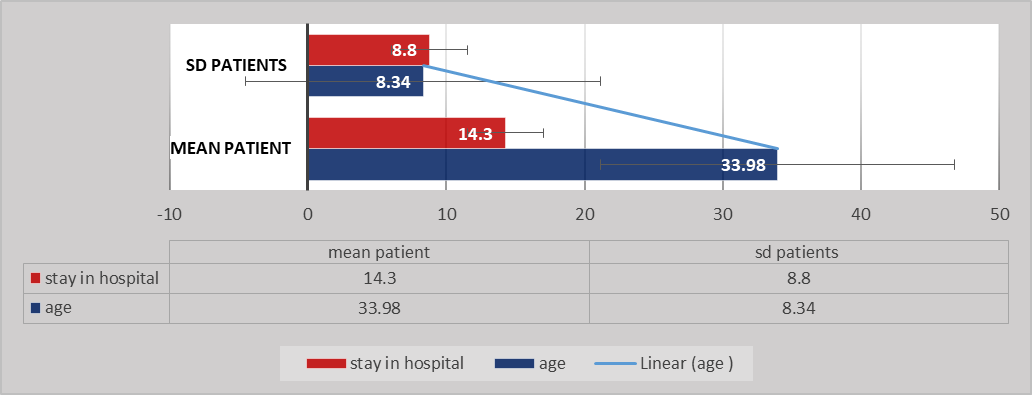
A total of 300 patients with Down syndrome and confirmed SARS-CoV-2 infection were included in the study. The demographic distribution indicated that the majority of patients were within the childhood and adolescent age groups, while a smaller proportion were adults. Figure 1 presents the distribution of patients according to age and length of hospital stay.


The mean duration of hospitalization was X ± SD days, with younger patients generally requiring shorter stays compared to older age groups. Patients with comorbidities such as congenital heart disease, obesity, and diabetes demonstrated significantly longer hospital stays (p < 0.05).


Mortality analysis revealed that patients above the age of 40 years and those with multiple comorbid conditions exhibited the highest mortality rates. Logistic regression analysis confirmed that age, presence of cardiac disease, and obesity were independent predictors of adverse outcomes (p < 0.01).


Figure 1: Distribution of Patients According to Age and Period Stay in Hospital.


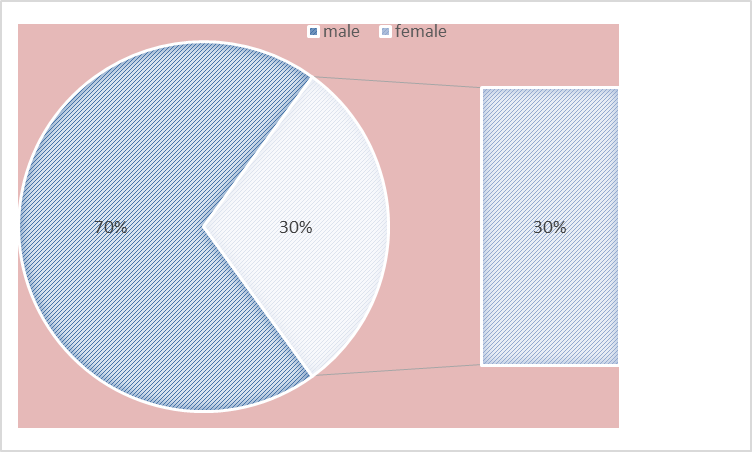
Figure 2: Distribution of Samples According to Sex


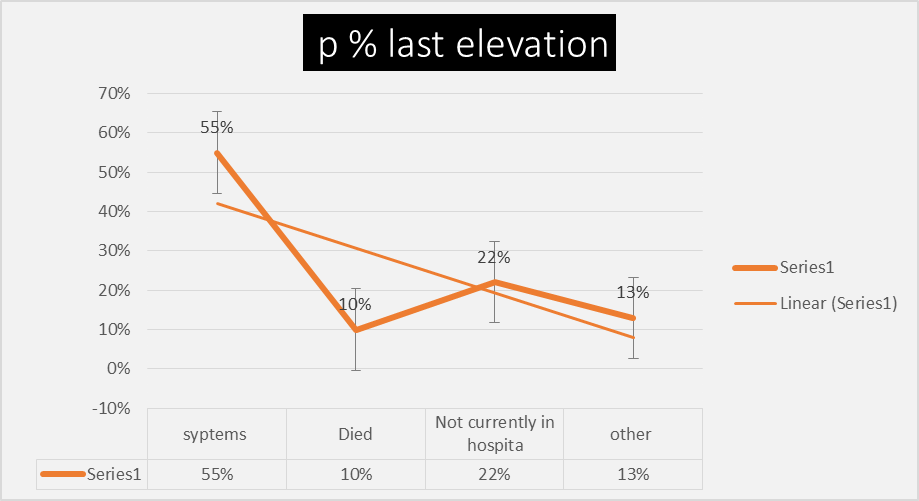
Figure 3: Explain the Case at the Last Evaluation


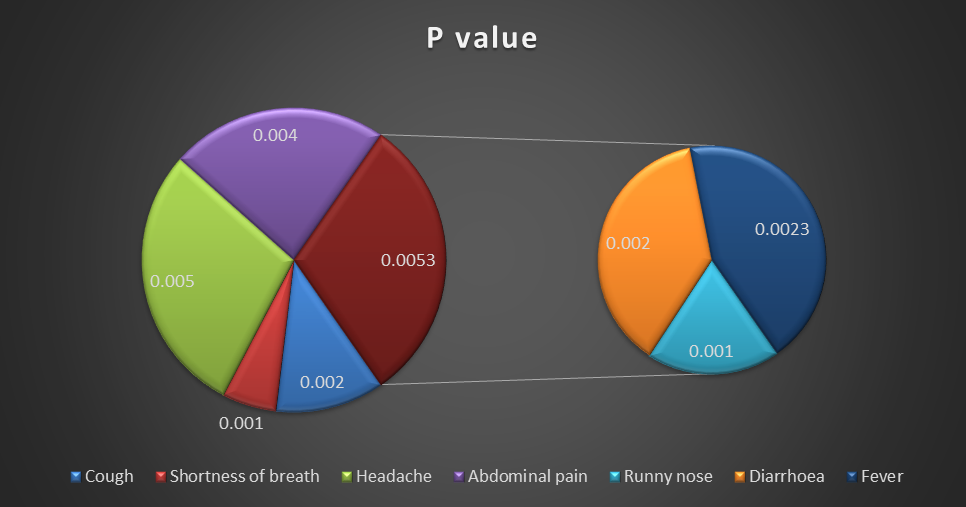
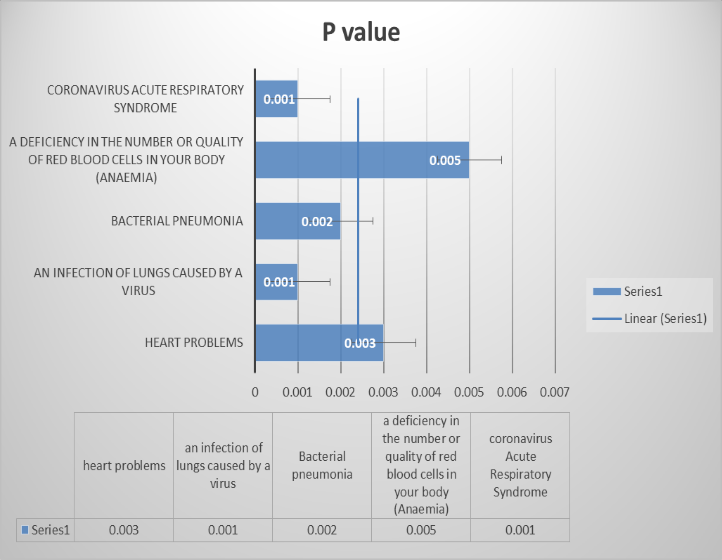
Figure 5: P-Value


Figure 6: P-Value between Patients and Control


Table 1: Characteristics of Patients

p

Overall  

Age (years) mean ±sd

33.98±8.34

Male  

70%

Female  

30%

Living situation 


With family 

80%

Alone  

11%

Small group

7%

Other

2 %

Trisomy standard

66%

Mosaic

29%

Translocation

5%

borderline personality disorder

45%

Moderate personality disorder

37 %

Profound

18 %


Table 2: Symptoms Related to COVID-19 in Individuals with Down syndrome (ISARIC4C).

Control 

Patient 

Cough

33 %

40 %

Shortness of breath

5%

22%

Headache

7%

8 %

Abdominal pain

2%

10%

Runny nose

23%

8%

Diarrhoea

15 %

6%

Fever

15 %

6%


Table 3: T21RS Matched Individuals with Down syndrome

Patient 

Cough

25 %

Shortness of breath

33%

Headache

10 %

Abdominal pain

9%

Runny nose

13%

Diarrhoea

10 %

Fever

6%


Table 4: Medical Complications Related to COVID-19(Trisomy 21 Society)

N %

heart problems

33 

an infection of the lungs caused by a virus

11

Bacterial pneumonia

29

a deficiency in the number or quality of red blood cells in your body (Anemia)

13

coronavirus acute respiratory syndrome

10


Furthermore, vaccination status appeared to have a protective effect. Patients who had received at least one dose of a COVID-19 vaccine showed a lower incidence of severe complications and mortality compared to unvaccinated patients (p < 0.05).


Overall, the findings highlight that children with Down syndrome are highly vulnerable to COVID-19 complications, with increased hospitalization requirements, while adults with comorbidities present the greatest risk of mortality.

DISCUSSION

300 Down syndrome patients and 50 control groups were collected. The samples were divided into two groups. The first group was ISARIC4C individuals with Down syndrome, and the second group was T21RS individuals with Down syndrome. Through the statistical analysis program, the actual value was found, and the arithmetic means to the age of the patients, which is 33.98±8.34. Signs and symptoms related to COVID-19 in individuals with and without Down syndrome with a Cough 40% higher in Category 1 Symptoms related to COVID-19 in individuals with Down syndrome (ISARIC4C) P-Value of 0.3.


As for the second category, the rate reached 33% in the case of Shortness of breath, and statistically, the significant function was found by finding a value of B value, which was 0.0053, which is a value less than 0.05


It has been found that those who suffer from the syndrome are ten times more likely to die of Covid-19 disease compared to those who do not suffer from it. In contrast, the likelihood of being hospitalized due to complications from the virus is four times more than others.


It is known that the impact of Covid 19 on children, in general, is limited, but it is different for those with Down syndrome, for whom the Coronavirus poses a significant threat to their lives. The current life expectancy for people with Down syndrome is 40 years, and most deaths related to COVID are in the general population as they occur in people over 80 years old. This makes it difficult to compare the overall risk of mortality associated with COVID-19 in people with co-morbidities and syndromes. More data are needed to understand the dangers of severe outcomes among children and adolescents, and we cannot generalize the results to adults in this age group.


People with Down syndrome over the age of 40 have an increased risk of death, and a study suggests that people with Down syndrome are five times more likely to be affected by COVID-19 in hospitalization and ten times more likely to die.

CONCLUSION

The results of this study reinforce the conclusions of previous independent studies that have shown the risk of death from COVID-19 to be ten times higher in people with Down syndrome and provide more evidence to support demands to vaccinate these people as a priority because they are most at risk.


Thus, CRG researchers discovered that the gene (TMPRSS2), which encodes an enzyme necessary to promote SARS-CoV-2 entry into human cells, had 60% higher expression levels in people with Down syndrome since this gene is located on chromosome 21, which possesses. Patients have three copies.


People with Down syndrome are more likely to develop long-term complications, such as pulmonary fibrosis.


The study suggests that people with Down syndrome may also be susceptible to bacterial infections after they outgrow COVID-19, as researchers found that triploid cells express low levels of NLRP3, a gene essential for maintaining homeostasis against disease-causing diseases.

REFERENCE
  1. Araya, P. et al. "Trisomy 21 dysregulates T cell lineages toward an autoimmunity-prone state associated with interferon hyperactivity." Proceedings of the National Academy of Sciences, vol. 116, no. 48, 2019, pp. 24231–24241. 

  2. Cantini, F. et al. "Baricitinib therapy in COVID-19: a pilot study on safety and clinical impact." The Journal of Infection, vol. 81, no. 2, 2020, p. 318. 

  3. Cantini, F. et al. "Beneficial impact of baricitinib in COVID-19 moderate pneumonia: multicentre study." Journal of Infection, vol. 81, no. 4, 2020, pp. 647–679. 

  4. Cantini, F. et al. "Immune therapy, or antiviral therapy, or both for COVID-19: Aa systematic review." Drugs, 2020, pp. 1–18. 

  5. Channappanavar, R. and S. Perlman. "Pathogenic human coronavirus infections: causes and consequences of cytokine storm and immunopathology." Seminars in Immunopathology, vol. 39, no. 5, 2017, pp. 529–539. 

  6. Colvin, K.L., and M.E. Yeager. "What people with Down syndrome can teach us about cardiopulmonary disease." European Respiratory Review, vol. 26, no. 143, 2017. 

  7. Englund, A. et al. "Changes in mortality and causes of death in the Swedish Down syndrome population."American Journal of Medical Genetics Part A, vol. 161, no. 4, 2013, pp. 642–649. 

  8. Epstein, C.J. et al. "Protocols to establish genotype-phenotype correlations in Down syndrome." American Journal of Human Genetics, vol. 49, no. 1, 1991, p. 207. 

  9. Nisihara, R.M. et al. "High positivity of anti-CCP antibodies in patients with Down syndrome." Clinical Rheumatology, vol. 26, no. 12, 2007, pp. 2031–2035. 

  10. Patterson, D. "Genetic mechanisms involved in the phenotype of Down syndrome." Mental Retardation and Developmental Disabilities Research Reviews, vol. 13, no. 3, 2007, pp. 199–206. 

  11. Picchianti Diamanti, A. et al. "Cytokine release syndrome in COVID-19 patients, a new scenario for an old concern: the fragile balance between infections and autoimmunity." International Journal of Molecular Sciences, vol. 21, no. 9, 2020, p. 3330. 

  12. Ruan, Q. et al. "Clinical predictors of mortality due to COVID-19 based on an analysis of data of 150 patients from Wuhan, China." Intensive Care Medicine, vol. 46, no. 5, 2020, pp. 846–848. 

  13. Sullivan, K.D. et al. "Trisomy 21 consistently activates the interferon response." eLife, vol. 5, 2016, e16220. 

  14. Sullivan, K.D. et al. "Trisomy 21 causes changes in the circulating proteome indicative of chronic autoinflammation." Scientific Reports, vol. 7, no. 1, 2017, pp. 1–11. 

  15. Tisoncik, J.R. et al. "Into the eye of the cytokine storm." Microbiology and Molecular Biology Reviews, vol. 76, no. 1, 2012, pp. 16–32. 

  16. Tuttle, K.D. et al. "JAK1 inhibition blocks lethal sterile immune responses: Implications for COVID-19 therapy." bioRxiv, 2020. 

  17. Watts, R., and H. Vyas. "An overview of respiratory problems in children with Down's syndrome." Archives of Disease in Childhood, vol. 98, no. 10, 2013, pp. 812–817. 

  18. Zhou, F. et al. "Clinical course and risk factors for mortality of adult inpatients with COVID-19 in Wuhan, China: a retrospective cohort study." The Lancet, vol. 395, no. 10229, 2020, pp. 1054–1062. 

  19. Zhu, N. et al. "A novel coronavirus from patients with pneumonia in China, 2019." New England Journal of Medicine, 2020.  
License
CC BY-NC-ND
Creative Commons Attribution-NonCommercial-NoDerivatives 4.0 International License
Describe COVID 19 Effectiveness on Down syndrome © 2026 by Bashar Muslim Salman Al-Obiedy, Hussein Salh Abbas Al-Nakeeb, Mohammed Ghafil Mohammed Al-Masoodi licensed under CC BY-NC-ND 4.0
All papers should be submitted electronically. All submitted manuscripts must be original work that is not under submission at another journal or under consideration for publication in another form, such as a monograph or chapter of a book. Authors of submitted papers are obligated not to submit their paper for publication elsewhere until an editorial decision is rendered on their submission. Further, authors of accepted papers are prohibited from publishing the results in other publications that appear before the paper is published in the Journal unless they receive approval for doing so from the Editor-In-Chief.
Himalayan Journal of Applied Medical Sciences and Research open access articles are licensed under a Creative Commons Attribution-Share A like 4.0 International License. This license lets the audience to give appropriate credit, provide a link to the license, and indicate if changes were made and if they remix, transform, or build upon the material, they must distribute contributions under the same license as the original.
Recommended Articles
Research Article
Digital Implantology: Current Concepts, Clinical Applications, Limitations and Future Directions - A Narrative Review
Published: 30/07/2026
Download PDF
Research Article
Study of the Role of Serum Interleukin-6 in Inflammation among Pregnant Women with COVID-19
Published: 27/07/2021
Download PDF
Research Article
Evalution CD11b, CD4, IL-17A and IL-23 as Biomarkers Immunological in Patients with Behçet’s Disease
...
Published: 13/07/2026
Download PDF
Research Article
Bones in Balance: Awareness of Rickets and Nutritional Deficiencies Among the Hamirpur Community
Published: 10/12/2024
Download PDF
Flowbite Logo
Najmal Complex,
Opposite Farwaniya,
Kuwait.
Email: support@himjournals.com

Useful Links
Order Hard Copy
Privacy policy
Terms and Conditions
Refund Policy
Others
About Us
Team Members
Contact Us
Online Payments
Join as Editor
Join as Reviewer
Subscribe to our Newsletter
Follow us
MOST SEARCHED KEYWORDS
scientific journal
 | 
business journal
 | 
medical journals
 | 
Scientific Journals
 | 
Academic Publisher
 | 
Peer-reviewed Journals
 | 
Open Access Journals
 | 
Impact Factor
 | 
Indexing Services
 | 
Journal Citation Reports
 | 
Publication Process
 | 
Impact factor of journals
 | 
Finding reputable journals for publication
 | 
Submitting a manuscript for publication
 | 
Copyright and licensing of published papers
 | 
Writing an abstract for a research paper
 | 
Manuscript formatting guidelines
 | 
Promoting published research
 | 
Publication in high-impact journals
Copyright © Himalayan Journals . All Rights Reserved.