Hand washing is the single most effective and inexpensive way to prevent diarrhoea and acute respiratory infections, as automatic behaviour performed in homes, schools, and communities worldwide. Thus this study was carried out to see the perception and practices of hand washing in a hilly city of Shimla. Objectives of the study- To assess the perception and practices of hand washing in Shimla city. Material and methods- it is a population based cross sectional study involving all 34 wards of Shimla city. Sampling unit was households in the Municipal corporation area of Shimla city. Sample size is estimated to be 640 expecting 50% of households having adequate knowledge of WASH and solid waste management with 95% level of confidence, design effect 1.5 and 5% confidence interval and non-response rate of 5%.Stratified random Sampling was done for the selection of Households. The data collectors obtained consent from the head of Family and Pretested Standardized Questionnaire administered in every selected household. Results- Perception of hand washing was regarded as very important by 76% of the respondents and 21% regarded it as important and only 3% regarded it as slightly important. Regarding practices of hand washing 97.8% respondents wash their hands 5 or more times in a day, 79.22% respondents used water and soap for hand washing, 75.6% used clean towel after handwashing,74.7% spent 15-20 second for hand wash, 70.9% own a sanitizer, 18.8% respondent sometimes running out of water for hand wash. Conclusion- we found that hand washing was practiced by all respondents with good practices in terms of duration followed by majority of the city’s residents.
Keywords
Perception. practices
Hand washing
Shimla city
INTRODUCTION
Hand washing is the single most effective and inexpensive way to prevent diarrhea and acute respiratory infections, as automatic behavior performed in homes, schools, and communities worldwide [1]. A simple and proper method of washing hands is found to eliminate over 90% of infections. On October 2, 2014 Indian public received a shocker “Launch of Swachh Bharat Abhiyaan” by none less than the prime minister of India, to fulfil Mahatma Gandhi’s vision of “Clean India” and invited many public figures to contribute to this national campaign. Amongst these included cleaning the environment, construction of pubic latrines and hand hygiene to name a few [2]. Many of these practices look very simply yet are of major importance and ultimate to improve the healthcare in India [3].
The Global Hand washing Day took place for the first time on October 15, 2008, the date appointed by UN General Assembly in accordance with year 2008 as the International Year of Sanitation. An ounce of prevention is worth a pound of cure. Thus, this study was carried out to see the perception and practices of handwashing in a hilly city of Shimla.
Objective of the study is to assess the perception and practices of handwashing in Shimla city.
MATERIALS AND METHODS
Study Population
Population residing in all 34 wards under Municipal corporation area of Shimla City.
Sample Size
Sampling unit was households in the Municipal corporation area of Shimla city. Sample size is estimated to be 640 expecting 50% of households having adequate knowledge of WASH and solid waste management with 95% level of confidence, design effect 1.5 and 5% confidence interval and non-response rate of 5%.
Sampling Design
Stratified random Sampling was done for the selection of Households for survey. We equally divided the household in all 34 wards of Shimla city. (18-19 households per municipal ward in Shimla city). First household of the ward was selected randomly and then every 10th household was selected to complete the sample size in the respective ward. An effort was made to have a balance of males and females, as well as to involve some younger persons as respondents, but this was dependent on cultural and other sensitivities when the household members are approached
Data Collection
The data collectors obtained consent from the head of Family and Pretested Standardized Questionnaire administered in every selected household, and the respondents (who willing to participate) were asked questions regarding handwashing perception and practices. Only one adult member per household was selected for data collection.
The data was collected to obtain information on following parameters;
Socio demographic profile
Perception and knowledge about hand washing
Practices about handwashing
Inclusion Criteria
Any adult person (only One per household) in selected household who was willing to participate in the study and had given consent.
Exclusion Criteria
Person who didn’t give consent and decline to answer the questions was excluded from the study
RESULTS
In the present study the A total of 640 households were selected for the survey.
8-25 households per ward according to the population and further consent given by the people in that ward.
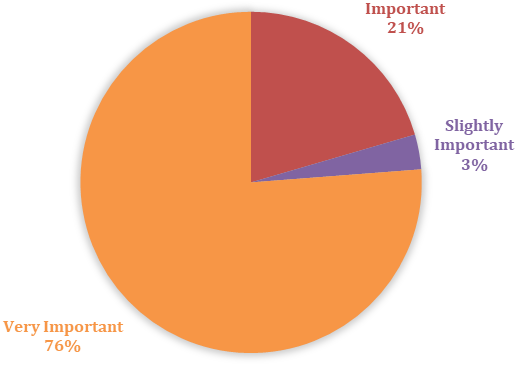
Figure 1: Perceptions regarding handwashing
In the study maximum 71.7% respondents were females, 97% were Hindus, 93.1% were literate and 37.7% were employed or working.
Perception of handwashing was regarded as very important by 76% of the respondents and 21% regarded it as important and only 3% regarded it as slightly important (Table and Figure 1).
Regarding practices of handwashing 97.8% respondents wash their hands 5 or more times in a day, 79.22 % respondents used water and soap for hand washing, 75.6% used clean towel after handwashing,74.7% spent 15-20 second for hand wash, 70.9% own a sanitizer, 18.8% respondent sometimes running out of water for handwash (Table 2).
Table 1: Perception about Hand-washing (n=640)
Perception
Percent
Important
20.5
Slightly Important
3.3
Very Important
76.3
Total
100.0
Table2: Hand washing practices in households (n=640)
Practices
Percent
Handwashing
Frequency
3-4 times a day
2.2
5times or more a day
97.8
What used for handwashing
Water and soap
79.22
Water and soap /Hand sanitizer
9.84
Water only
9.06
Water with ash
.5
Clean hands after washing
Air dry
3.1
clean towel or paper towel
75.6
Clean Cloth
7.7
Handkerchief
9.8
Other
3.8
Duration of hand wash
1 Minute
7.3
15-20 sec
74.7
5-10 sec
10.3
No specific length of time
7.7
Own a hand sanitizer
No
29.1
Yes
70.9
Frequency of Households running out of water for Hand washing
Never
64.7
Rarely
16.6
Sometimes
18.8
Total
100.0
DISCUSSION
In this study it was found that majority considered hand washing as very important mean to maintain hygiene and curb diseases.
Hand washing practices in our study were similar to the public hand hygiene practices of New Zealanders: a national survey in which Soap was used by 71.6%for hand washing and, in our study, it was 79 %.
As for hand washing practices are concerned most people (80%) in the study area use water and soap for hand washing 9 % wash hands with only water and only 0.5% use ash with water. Similar hand washing practices are being followed in other parts of the country as seen in study by Ray et al. [4]. on Hand washing practices in and around Kolkata west Bengal respondents interviewed practiced hand washing after defecation either with soap (59%) or with plain water, ash & mud. Another study named Hand Washing Practices in Two Communities of Two States of Eastern India also found similar hand washing practices which included washing hands with soap, mud and ash. The study also pointed out that majority washed hands for time period well below than the recommended 30 seconds. In our study nearly 74% of the respondents practiced hand washing for the recommended duration of 15-30 sec.
Regarding frequency of hand washing 97% of respondents washed their hands 5 to more than 5 times in a day. In a study conducted Beale et al. [5] all on hand hygiene practices and COVID-19 infection also found that moderate-frequency handwashing (6-10 times per day) predicted a lower personal risk of infection. It was also seen among the study participants that nearly 70% owned a hand sanitizer. Therefore, practices in the study area are good enough to lower risk of infection.
CONCLUSION
In this study we found that hand washing was practiced by all respondents with good practices in terms of duration followed by majority of the city’s residents. Such practices need to be inculcated in communities to prevent spread of diseases and in turn lead to a healthy community.
Garbutt, C. et al. "The public hand hygiene practices of new zealanders: A national survey." New Zealand Medical Journal, vol. 120, no. 1265, 2007, U2810. PMID: 18264189.
Ray, S.K. et al. "Hand washing practices in urban and rural communities in and around Kolkata, West Bengal." Indian Journal of Public Health, vol. 53, no. 3, 2009, pp. 192–195.
Ray, S. et al. "Hand washing practices in two communities of two states of Eastern India: An intervention study." Indian Journal of Public Health, vol. 54, no. 3, 2010, pp. 126.
Beale, S. et al. "Hand hygiene practices and the risk of human coronavirus infections in a UK community cohort." Wellcome Open Research, vol. 5, 2020, pp. 98.
License
Creative Commons Attribution-NonCommercial-NoDerivatives 4.0 International License
All papers should be submitted electronically. All submitted manuscripts must be original work that is not under submission at another journal or under consideration for publication in another form, such as a monograph or chapter of a book. Authors of submitted papers are obligated not to submit their paper for publication elsewhere until an editorial decision is rendered on their submission. Further, authors of accepted papers are prohibited from publishing the results in other publications that appear before the paper is published in the Journal unless they receive approval for doing so from the Editor-In-Chief.
Himalayan Journal of Community Medicine and Public Health open access articles are licensed under a Creative Commons Attribution-Share A like 4.0 International License. This license lets the audience to give appropriate credit, provide a link to the license, and indicate if changes were made and if they remix, transform, or build upon the material, they must distribute contributions under the same license as the original.
Recommended Articles
Research Article
Assessing the Role of Community Engagement in Promoting Malaria Prevention and Treatment Practices in Mashonaland Central Province, Zimbabwe: A Case of Centenary District
Dzamara Tafadzwa,
Mapuranga Danemore
Published: 13/08/2026
Download PDF
Cite
x
APA
Tafadzwa, D. & Danemore, M. (2026). Assessing the Role of Community Engagement in Promoting Malaria Prevention and Treatment Practices in Mashonaland Central Province, Zimbabwe: A Case of Centenary District. Himalayan Journal of Community Medicine and Public Health, 7(1), 1-6.
MLA
Tafadzwa, Dzamara and Mapuranga Danemore. "Assessing the Role of Community Engagement in Promoting Malaria Prevention and Treatment Practices in Mashonaland Central Province, Zimbabwe: A Case of Centenary District." Himalayan Journal of Community Medicine and Public Health 7.1 (2026): 1-6.
Chicago
Tafadzwa, Dzamara and Mapuranga Danemore. "Assessing the Role of Community Engagement in Promoting Malaria Prevention and Treatment Practices in Mashonaland Central Province, Zimbabwe: A Case of Centenary District." Himalayan Journal of Community Medicine and Public Health 7, no. 1 (2026): 1-6.
Harvard
Tafadzwa, D. and Danemore, M. (2026) 'Assessing the Role of Community Engagement in Promoting Malaria Prevention and Treatment Practices in Mashonaland Central Province, Zimbabwe: A Case of Centenary District' Himalayan Journal of Community Medicine and Public Health 7(1), pp. 1-6.
Vancouver
Tafadzwa D, Danemore M. Assessing the Role of Community Engagement in Promoting Malaria Prevention and Treatment Practices in Mashonaland Central Province, Zimbabwe: A Case of Centenary District. Himalayan Journal of Community Medicine and Public Health. 2026 Jan;7(1):1-6.
Download PDF
Research Article
Curves of Concern: Public Awareness of Scoliosis and Its Impact on Childhood Development in Hamirpur
Vishal Dhatwalia,
Swati Chandel
Published: 10/12/2024
Download PDF
Cite
x
APA
Dhatwalia, V. & Chandel, S. (2024). Curves of Concern: Public Awareness of Scoliosis and Its Impact on Childhood Development in Hamirpur. Himalayan Journal of Community Medicine and Public Health, 5(2), 1-6.
MLA
Dhatwalia, Vishal and Swati Chandel. "Curves of Concern: Public Awareness of Scoliosis and Its Impact on Childhood Development in Hamirpur." Himalayan Journal of Community Medicine and Public Health 5.2 (2024): 1-6.
Chicago
Dhatwalia, Vishal and Swati Chandel. "Curves of Concern: Public Awareness of Scoliosis and Its Impact on Childhood Development in Hamirpur." Himalayan Journal of Community Medicine and Public Health 5, no. 2 (2024): 1-6.
Harvard
Dhatwalia, V. and Chandel, S. (2024) 'Curves of Concern: Public Awareness of Scoliosis and Its Impact on Childhood Development in Hamirpur' Himalayan Journal of Community Medicine and Public Health 5(2), pp. 1-6.
Vancouver
Dhatwalia V, Chandel S. Curves of Concern: Public Awareness of Scoliosis and Its Impact on Childhood Development in Hamirpur. Himalayan Journal of Community Medicine and Public Health. 2024 Jul;5(2):1-6.
Download PDF
Research Article
Etiological Analysis of the Incident of Computer Vision Syndrome (Cvs) in Students of the Faculty of Medical Muhammadiyah University Semarang
Anang Kriswantoro,
...
Swasty
Published: 20/01/2026
Download PDF
Cite
x
APA
Kriswantoro, A., Martiningsih, W. R., Novitasari, A. & None, S. (2026). Etiological Analysis of the Incident of Computer Vision Syndrome (Cvs) in Students of the Faculty of Medical Muhammadiyah University Semarang. Himalayan Journal of Community Medicine and Public Health, 7(1), 1-5.
MLA
Kriswantoro, Anang, et al. "Etiological Analysis of the Incident of Computer Vision Syndrome (Cvs) in Students of the Faculty of Medical Muhammadiyah University Semarang." Himalayan Journal of Community Medicine and Public Health 7.1 (2026): 1-5.
Chicago
Kriswantoro, Anang, Wahju R. Martiningsih, Andra Novitasari and Swasty . "Etiological Analysis of the Incident of Computer Vision Syndrome (Cvs) in Students of the Faculty of Medical Muhammadiyah University Semarang." Himalayan Journal of Community Medicine and Public Health 7, no. 1 (2026): 1-5.
Harvard
Kriswantoro, A., Martiningsih, W. R., Novitasari, A. and None, S. (2026) 'Etiological Analysis of the Incident of Computer Vision Syndrome (Cvs) in Students of the Faculty of Medical Muhammadiyah University Semarang' Himalayan Journal of Community Medicine and Public Health 7(1), pp. 1-5.
Vancouver
Kriswantoro A, Martiningsih WR, Novitasari A, Swasty S. Etiological Analysis of the Incident of Computer Vision Syndrome (Cvs) in Students of the Faculty of Medical Muhammadiyah University Semarang. Himalayan Journal of Community Medicine and Public Health. 2026 Jan;7(1):1-5.
Download PDF
Research Article
Silent Threats Unveiled: Gauging Public Awareness and Understanding of Blood Clotting Disorders in Ambala, Haryana
Ashmita Joshi,
...
Sanjeev Kumar
Published: 30/07/2024
Download PDF
Cite
x
APA
Joshi, A., kaur, J. & Kumar, S. (2024). Silent Threats Unveiled: Gauging Public Awareness and Understanding of Blood Clotting Disorders in Ambala, Haryana. Himalayan Journal of Community Medicine and Public Health, 5(2), 1-6.
MLA
Joshi, Ashmita, Jasleen kaur and Sanjeev Kumar. "Silent Threats Unveiled: Gauging Public Awareness and Understanding of Blood Clotting Disorders in Ambala, Haryana." Himalayan Journal of Community Medicine and Public Health 5.2 (2024): 1-6.
Chicago
Joshi, Ashmita, Jasleen kaur and Sanjeev Kumar. "Silent Threats Unveiled: Gauging Public Awareness and Understanding of Blood Clotting Disorders in Ambala, Haryana." Himalayan Journal of Community Medicine and Public Health 5, no. 2 (2024): 1-6.
Harvard
Joshi, A., kaur, J. and Kumar, S. (2024) 'Silent Threats Unveiled: Gauging Public Awareness and Understanding of Blood Clotting Disorders in Ambala, Haryana' Himalayan Journal of Community Medicine and Public Health 5(2), pp. 1-6.
Vancouver
Joshi A, kaur J, Kumar S. Silent Threats Unveiled: Gauging Public Awareness and Understanding of Blood Clotting Disorders in Ambala, Haryana. Himalayan Journal of Community Medicine and Public Health. 2024 Jul;5(2):1-6.
Tanwar, P., None, V., Sachdeva, A. & Gupta, A. (2020). Perception and Practices about Hand washing in Shimla City. Himalayan Journal of Community Medicine and Public Health, 1(1), 1-3.
MLA
Tanwar, Parika, et al. "Perception and Practices about Hand washing in Shimla City." Himalayan Journal of Community Medicine and Public Health 1.1 (2020): 1-3.
Chicago
Tanwar, Parika, Vandana , Amit Sachdeva and Anmol Gupta. "Perception and Practices about Hand washing in Shimla City." Himalayan Journal of Community Medicine and Public Health 1, no. 1 (2020): 1-3.
Harvard
Tanwar, P., None, V., Sachdeva, A. and Gupta, A. (2020) 'Perception and Practices about Hand washing in Shimla City' Himalayan Journal of Community Medicine and Public Health 1(1), pp. 1-3.
Vancouver
Tanwar P, Vandana V, Sachdeva A, Gupta A. Perception and Practices about Hand washing in Shimla City. Himalayan Journal of Community Medicine and Public Health. 2020 Jul;1(1):1-3.


 Download PDF
 Download XML