Amidst the rapid and modern developments, and in pursuit of rapid progress, construction, and scientific advancement, it is essential to employ the most effective educational methods and strategies to achieve educational objectives in the most efficient manner. The current era is characterized by scientific and technological progress, particularly evident in the application of computer technology in the educational process, especially in teaching complex concepts and issues, particularly in the field of physics [1]. Therefore, it has become necessary to transform the roles of teachers and their teaching methods to encourage students to be proactive in learning, foster various forms of scientific thinking, minimize rote learning, and embrace modern educational technologies. This necessitates the availability of specialized educational software for each branch of educational knowledge to keep up with these scientific and technological advancements [2].
Learning through computers and information technology is distinguished and progressive compared to traditional learning methods. Proper utilization of information technology and computers, under the supervision of trained and qualified teachers, leads to the development of cognitive abilities and fosters creative thinking among students [3].
The integration of computers in the educational process plays a pivotal role in academic administration and the development of both teachers' and students' roles. Additionally, it facilitates active student engagement [4]. Teaching science, in general, and physics, in particular, relies on employing advanced teaching strategies that emphasize cooperative and applied learning. In such an environment, students are actively involved during the learning process, and diverse educational activities are utilized, both inside and outside the classroom. The modern teaching methods recommended by the Ministry of Education encourage students to engage in activities, experiments, and applications in their environment, which promotes a shift from teaching to learning. Consequently, students develop a more comprehensive perspective and can connect their learning to the surrounding environment [5].
Computer simulation is an effective method for learning science in general and physics specifically. The presence of a computer in this context provides unparalleled opportunities for students to follow their learning step by step. Through simulation, students can conduct experiments and activities that might otherwise be expensive, dangerous, obscure, or too abstract. Simulation provides experiences closer to reality that cannot be replicated through theoretical lectures and reading references.
becomes a suitable environment for simulating, simplifying, or representing various life situations, providing favorable conditions for tackling complex scenarios that students may not encounter naturally [6].
Continued advancements in educational technology, including the integration of computer-based programs and simulations, hold great potential to revolutionize physics education and pave the way for an enhanced and interactive learning experience for students. The current research aims to contribute to this progress by designing a computer-based program for physics experiments, with an emphasis on modeling and simulation techniques, in the sixth grade of scientific education. By embracing modern technological tools, the program seeks to foster critical thinking, scientific inquiry, and active learning among students, ultimately preparing them to tackle the challenges of the ever-evolving educational landscape.
Steps in Designing the Computer Program
The construction of an electronic computer program requires a series of steps and stages that can be measured and evaluated using appropriate assessment methods. The following is a detailed description of each stage:
Identifying the Subject Matter: The activities (experiments) from the physics textbook for the sixth grade of scientific education for the academic year (2022-2023), chapter 11, were selected for the program. These activities include: Faraday's experiment, how to charge a capacitor, how to discharge a capacitor, the effect of changing current frequency on inductive reactance, the effect of changing self-inductance coefficient on inductive reactance, the effect of changing the voltage source frequency on capacitive reactance, and the effect of changing the capacitance of a capacitor on capacitive reactance.
Defining Program Objectives in Measurable Behavioral Terms: One of the most critical steps in the instructional design process is defining the general educational objectives. These objectives help the instructional designer choose, organize, and arrange the educational content in a way that aligns with the readiness, motivation [7] and capabilities of the learners. A total of 118 behavioral objectives were prepared in the cognitive domain, categorized according to Bloom's taxonomy (knowledge, application, evaluation), with 35 objectives in the psychomotor domain and 12 objectives in the affective domain, tailored to the targeted age group and the nature of the subject matter. The initial behavioral objectives were presented to a group of experts in educational sciences, psychology, and teaching methods for feedback and refinement.
Identifying the Learners' Starting Point: To determine the starting point for designing the electronic program and to assess the level of previous knowledge among sixth-grade science students, a pretest of prior knowledge (previous experiences) was prepared. The pretest comprised questions from the fifth and fourth grades of scientific education, as well as the third grade of middle school physics. The pretest aimed to identify students' prior knowledge and previous experiences in physics. The test was reviewed by experts in the field of physics and teaching methods, and based on their feedback, some modifications were made. The pretest was then considered ready for implementation. Additionally, an intelligence test (Loutis-Linion) was administered to the research sample, as it is a non-verbal test suitable for the Iraqi environment, comprising 50 items with one point awarded for each correct answer, resulting in a total score of 50.
Task Analysis: Educational task analysis involves breaking down general objectives into main and sub-components [8].
The instructional material developer performs task analysis to identify the components and elements that make up the educational tasks. This helps determine the learner's existing knowledge and forms the basis for organizing and sequencing these components to achieve the desired learning outcomes. The research team identified the main activities and sub-activities within the physics content of the sixth-grade textbook. [9].
Writing the frameworks of the program: After completing the planning processes for the production of educational materials and resources, in this step the actual production of educational content and the design of algorithms began. An algorithm is defined as a sequential set of defined instructions aimed at accomplishing a specific task, through which all required inputs and outputs can be specified. The algorithm usually begins with an initial state or value, and ends with a state or value at which all instructions stop. The process involved developing flowcharts to represent the algorithms of the program activities. The flowcharts were designed using flowchart symbols [10]. The algorithms were then reviewed by experts in computer science, and based on their feedback, some adjustments were made. The finalized algorithms were ready for programming, as shown in Figures (1-8).
Using the JavaScript programming language, which is commonly used in designing and building virtual learning environments, the algorithms were programmed. In this stage, the instructional content was taken into consideration. The program interface was developed using JavaScript, and the virtual experiments were designed with clear shapes and colors to capture the learners' attention, as shown in Figure (9).
The program included an interactive testing interface with a variety of question types, such as multiple-choice questions, and questions that required simple "yes" or "no" answers. The diversity in presenting the frames is of utmost importance to avoid learners' boredom with the program. The frames were meticulously crafted and logically and psychologically organized.
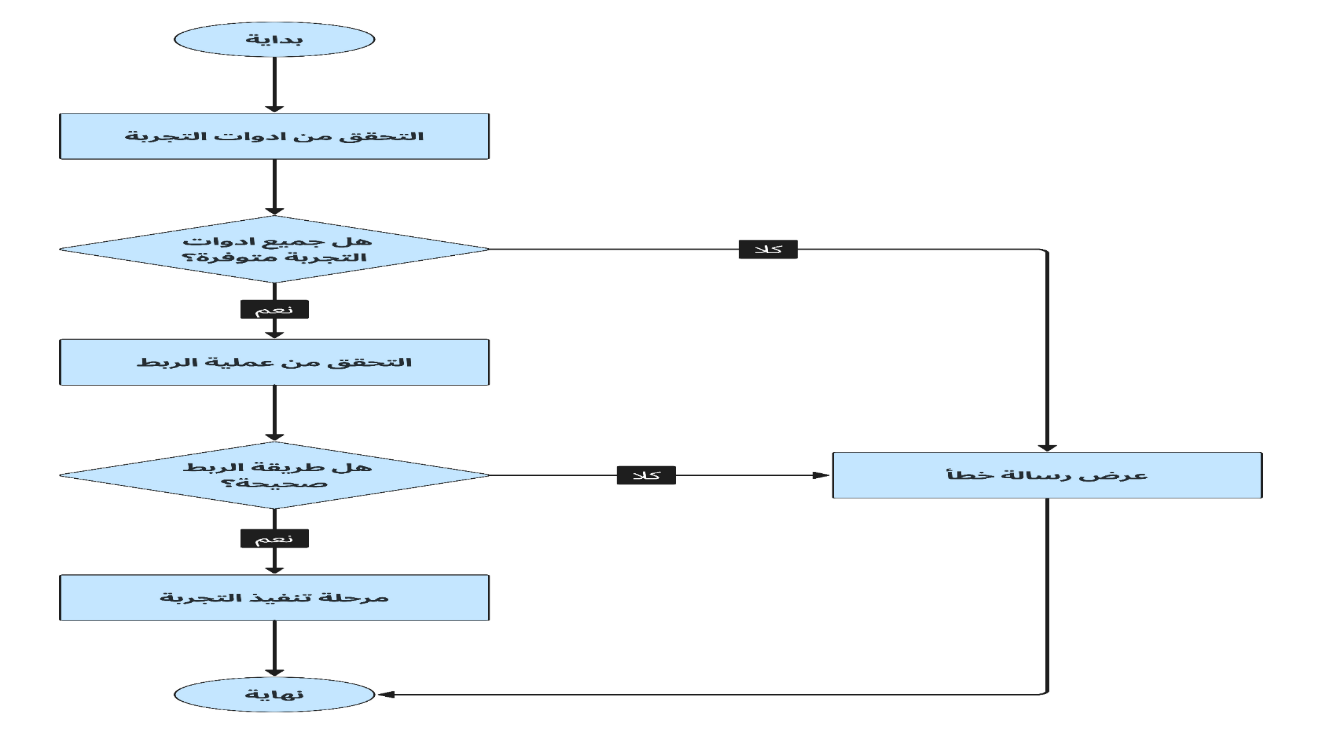
Figure 1: Linkage validation flowchart
By incorporating three engaging elements (stimulus, response, and feedback), the program successfully captured learners' attention and fostered an interactive learning experience. The program's design took into account the specific content of the physics experiments to ensure that the learners would receive a comprehensive learning experience.
Through these carefully designed frames and interactive elements, the learners were encouraged to actively participate in the virtual experiments and engage with the subject matter. The program was tailored to cater to learners' psychological needs and to create a stimulating and effective learning environment.
Availability of Feedback
Feedback plays a crucial role in stimulating learners' motivation by assisting them in discovering the correct responses, reinforcing them, and eliminating incorrect responses. It strengthens the learning process by providing learners with constructive insights into their performance. Moreover, feedback helps in correcting learners' errors and weakening the incorrect associations that might have formed in their memory, replacing them with accurate connections.
In the program, feedback was provided to learners after completing the test questions. When learners submitted their answers, the program displayed messages such as "Your answer is correct" for the accurate responses and "Your answer is incorrect" for the wrong responses, along with indicating the correct answer. This feedback mechanism aimed to guide learners and consolidate their understanding of the subject matter.
Additionally, learners' inquiries, questions, and active participation in practical activities were considered as
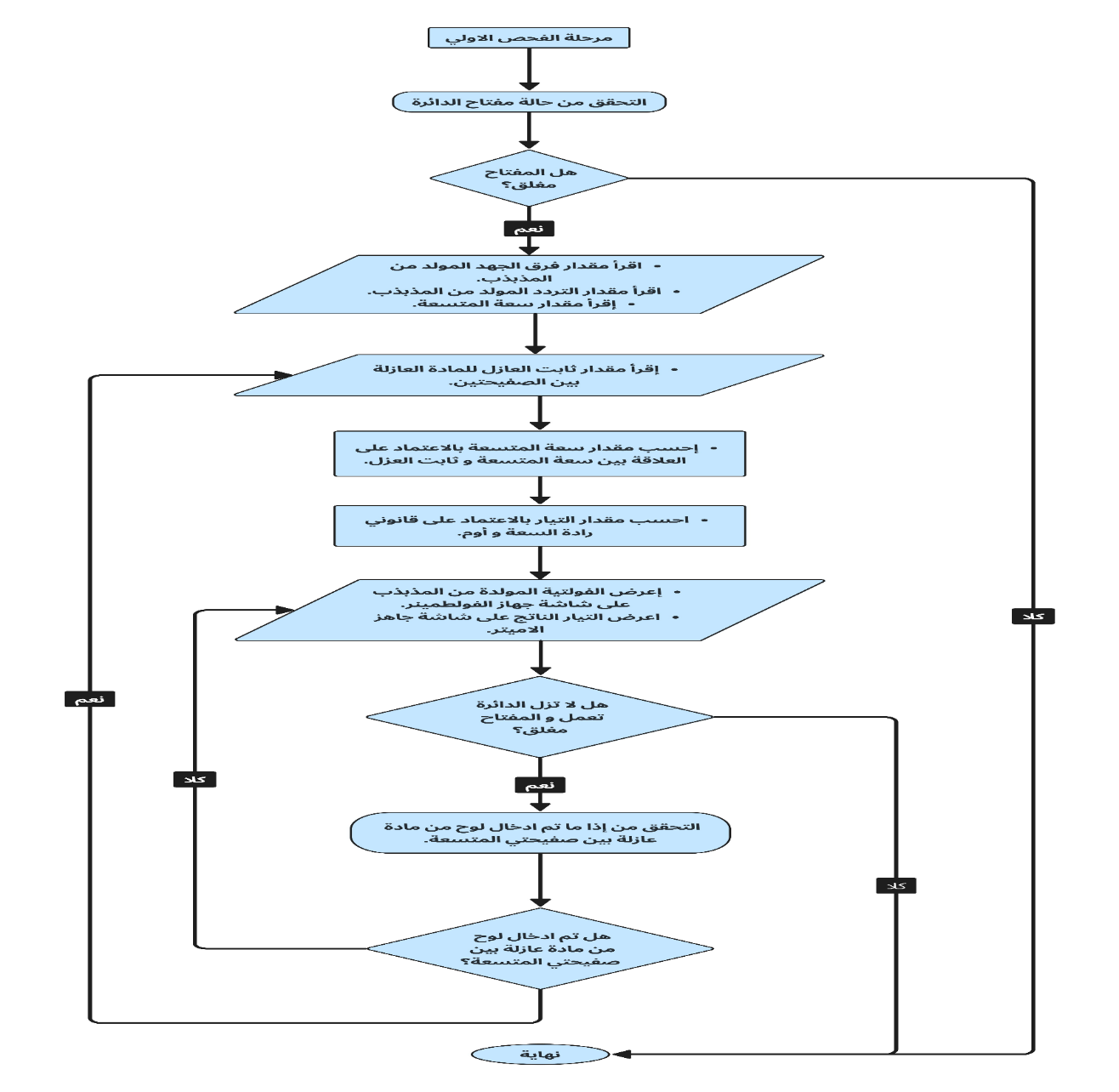
Figure 2: Flowchart for experimenting with the relationship between capacitance and capacitance
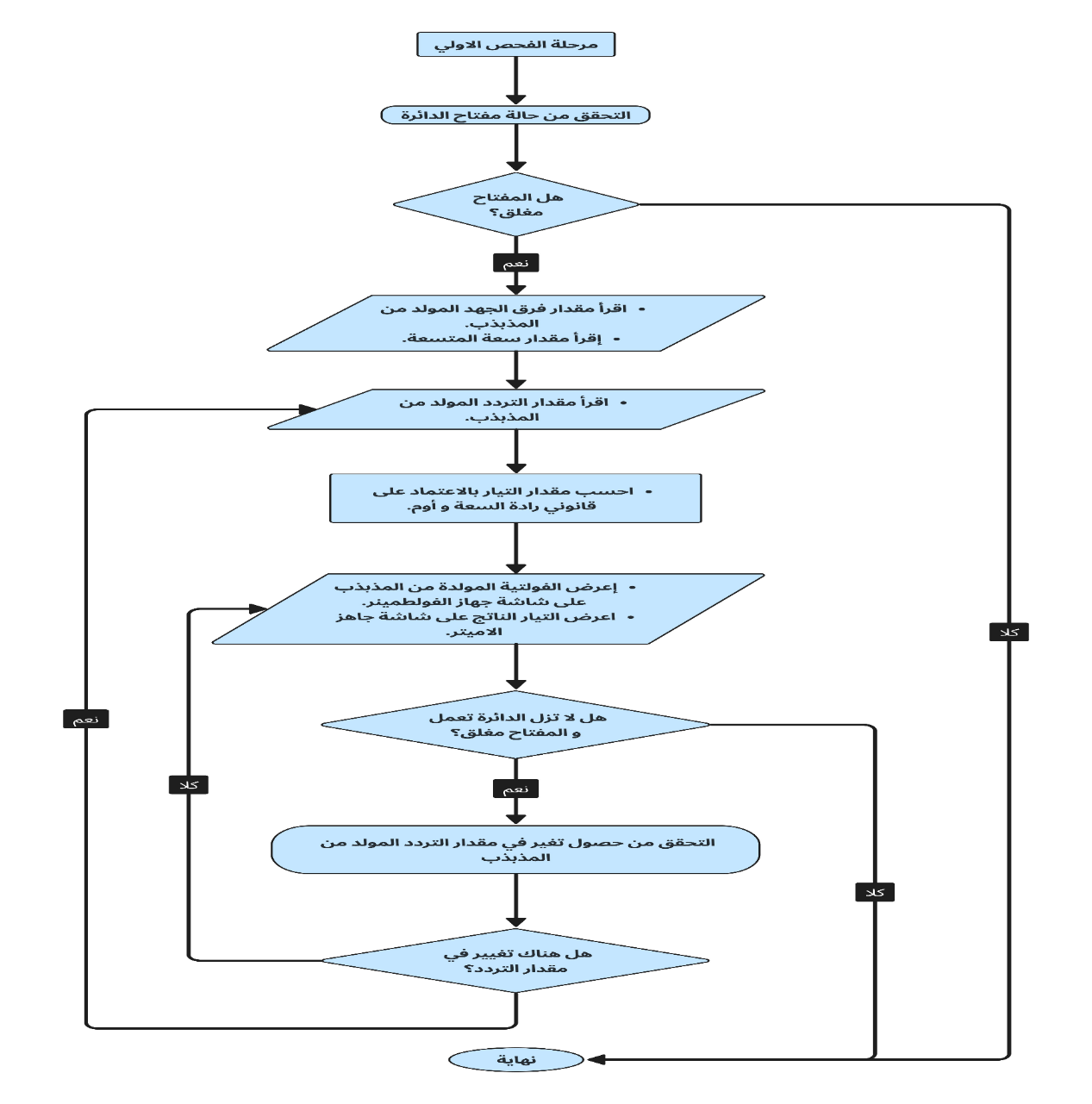
Figure 3: Flowchart for Experimenting With the Relationship between Voltage and Capacitance
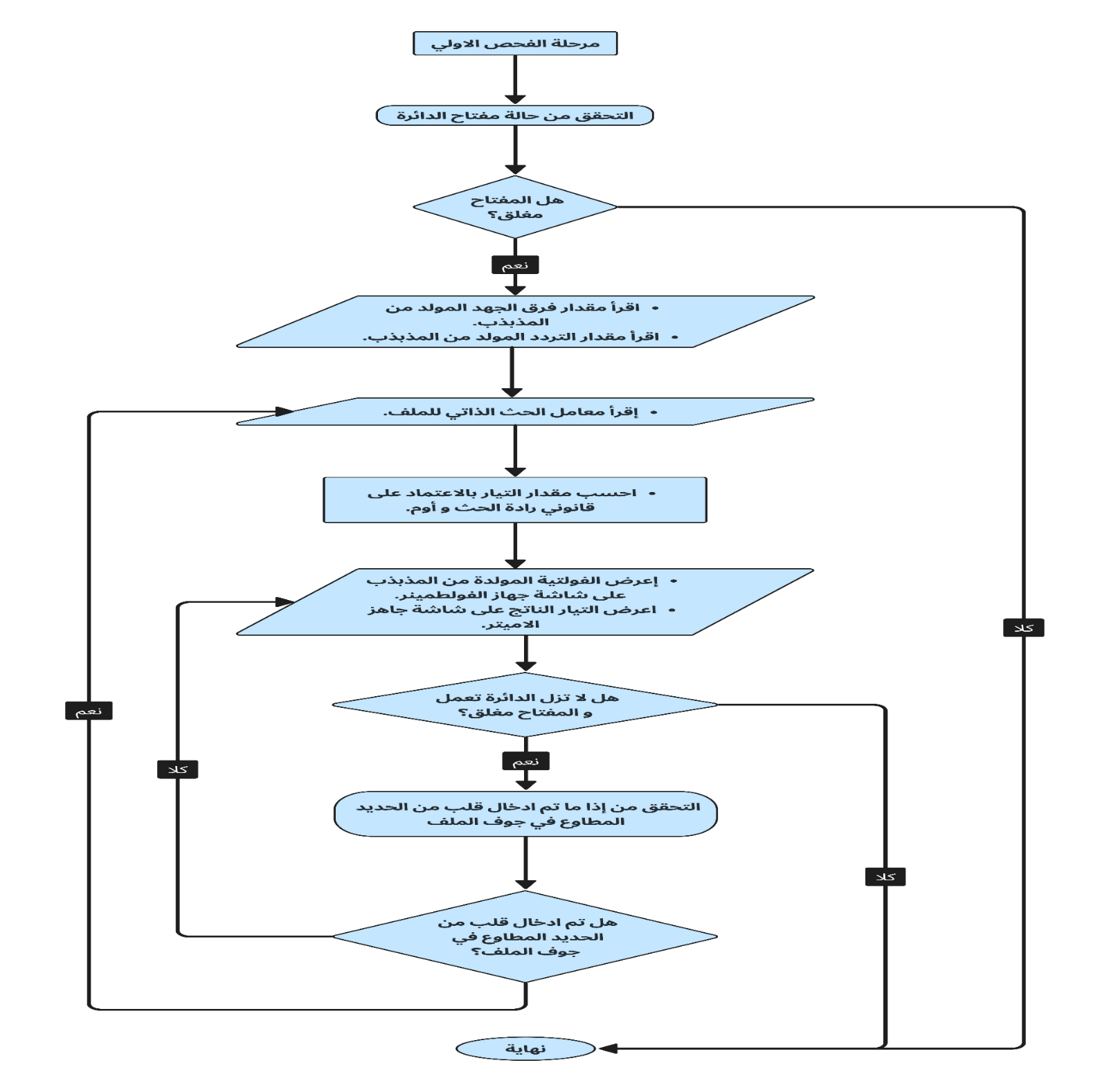
Figure 4: Flowchart for the Experiment of the Relationship between the Coefficient of Inductance and the Will of Inductance
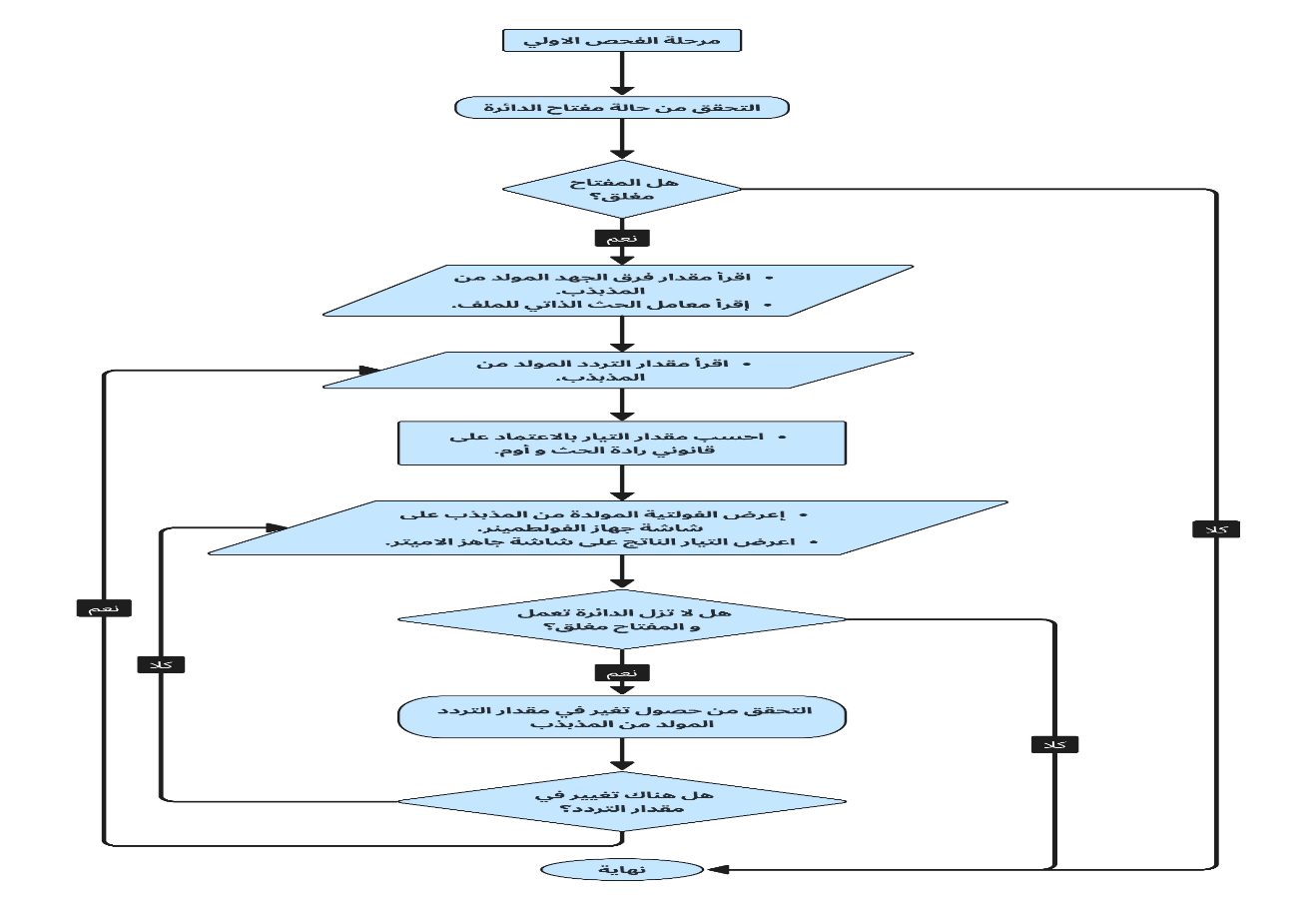
Figure 5: Flowchart for Experimenting With the Relationship between Current Frequency and Inductance
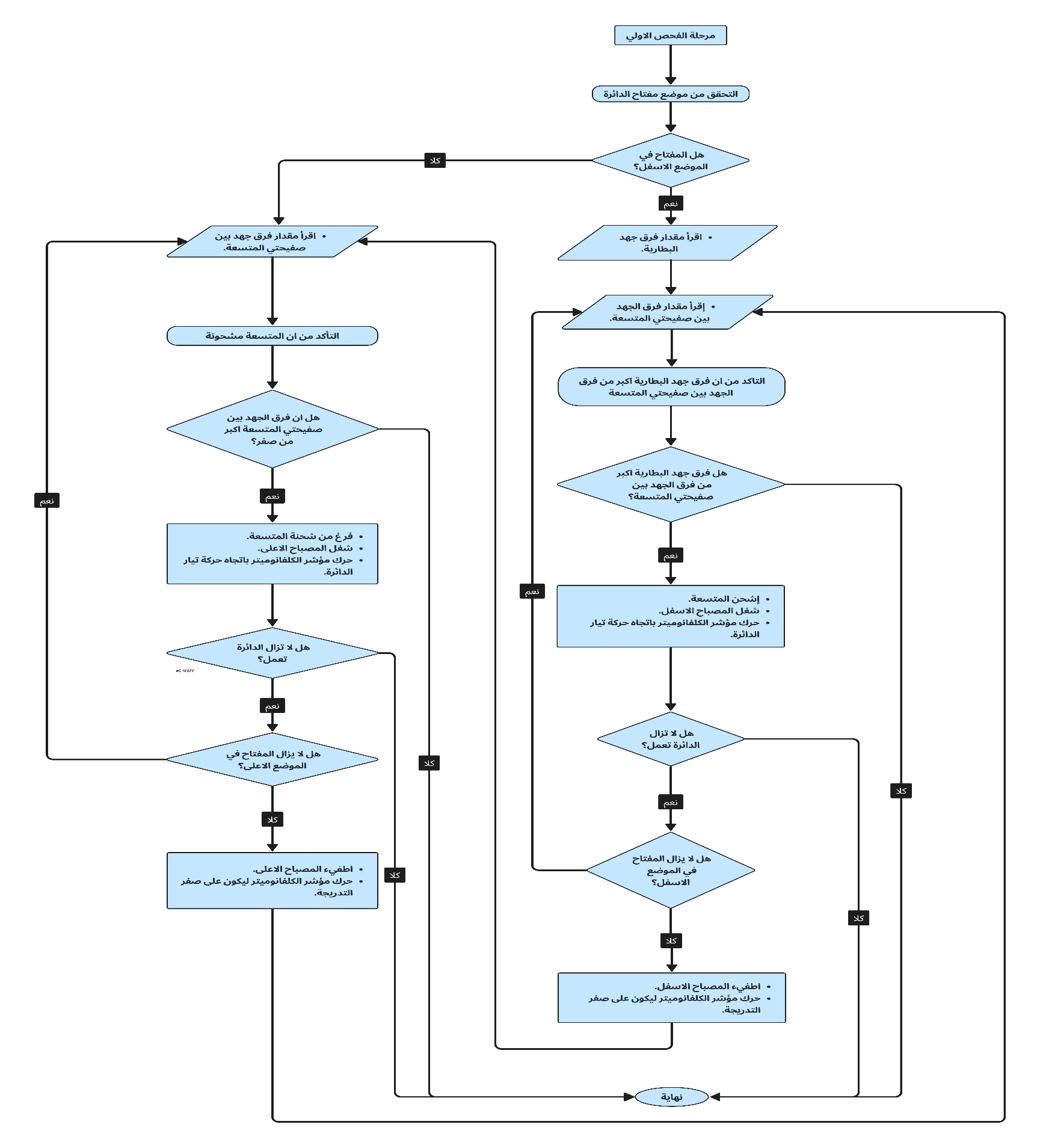
Figure 6: Flowchart of the Capacitor Charging and Discharging Experiment
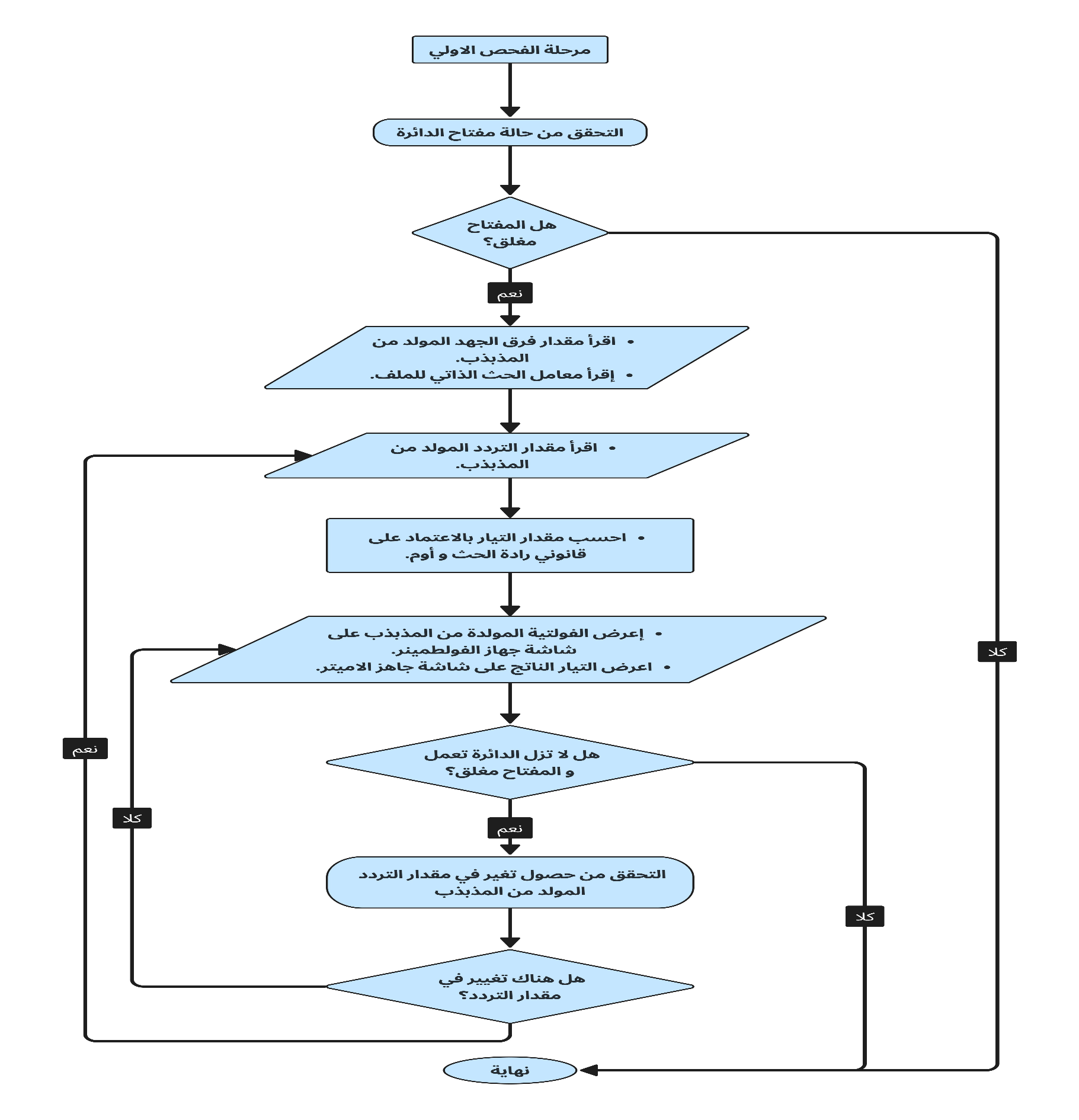
Figure (7) Faraday's experiment measuring capacitive charge stage (first stage)
forms of feedback. These interactions allowed for identifying areas of weakness and addressing them while reinforcing areas of strength in the program's design.
By providing timely and relevant feedback, the program aimed to create a supportive learning environment that fosters self-assessment and continuous improvement in learners' performance.
Program Testing and Modification
The program was tested by closely monitoring the learners'
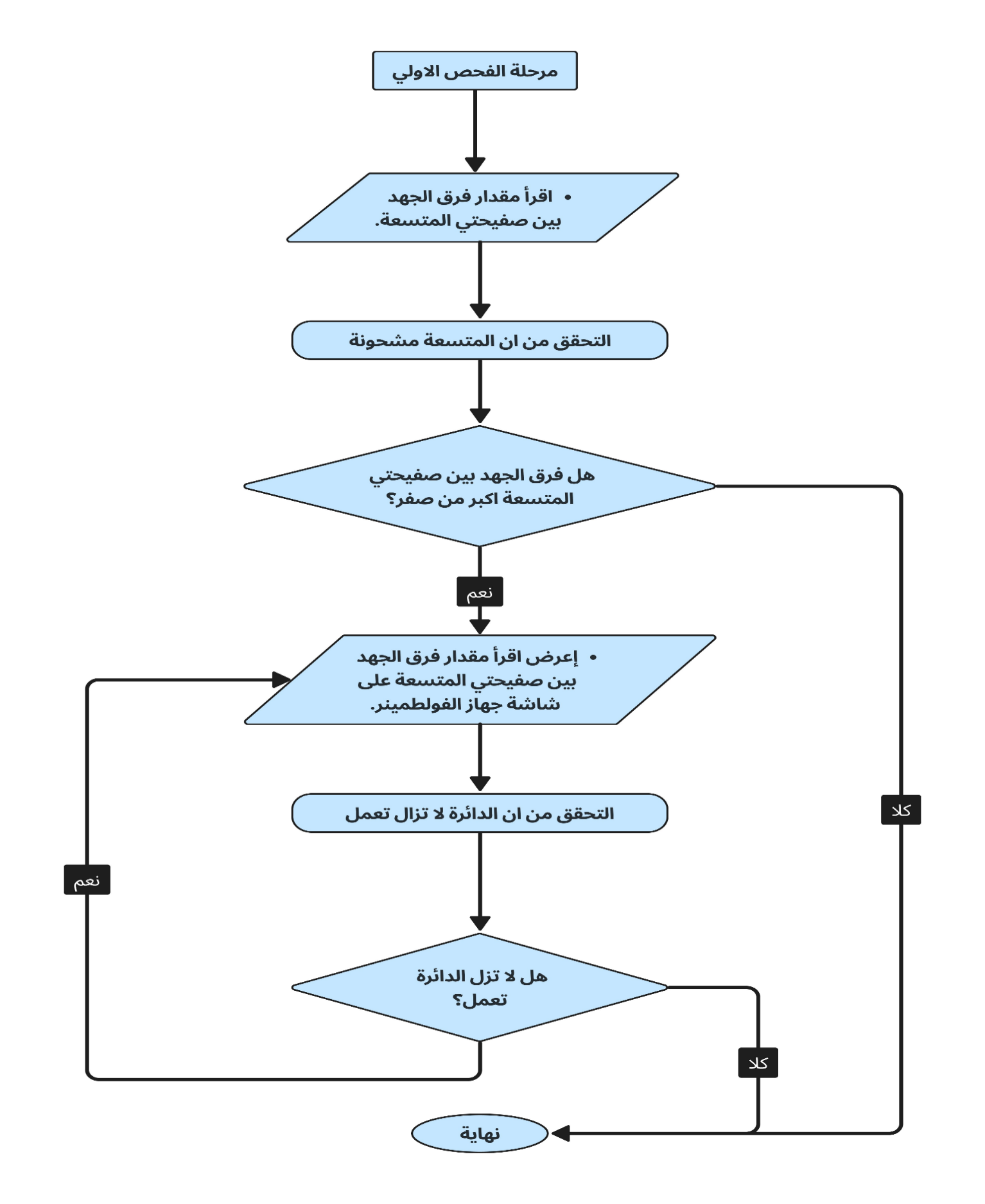
Figure No. 8: Faraday's Experiment, the Stage of Measuring the Effect of the Insulator (The Second Stage)
progress as they advanced through the learning activities one by one. During this process, notes were taken regarding any difficulties learners encountered in reading, understanding, and sequencing the frames in a straightforward manner. These observations were valuable in making the program clear and comprehensible to the learners.
After the learners completed the experiments using the electronic program, the test results and recorded
Observations were analyzed. Based on this evaluation, necessary modifications were made to the program to address any identified issues and enhance the learning experience.
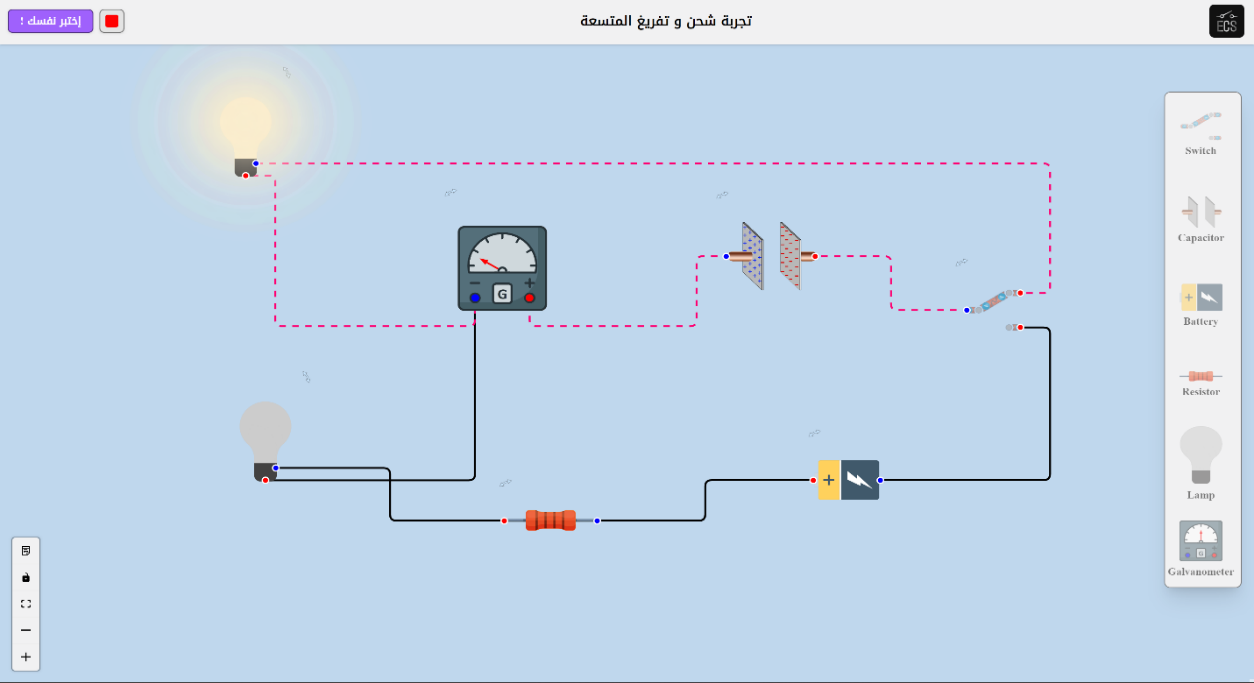
Figure 9: A Simulated Process for a Widening Discharge Experiment
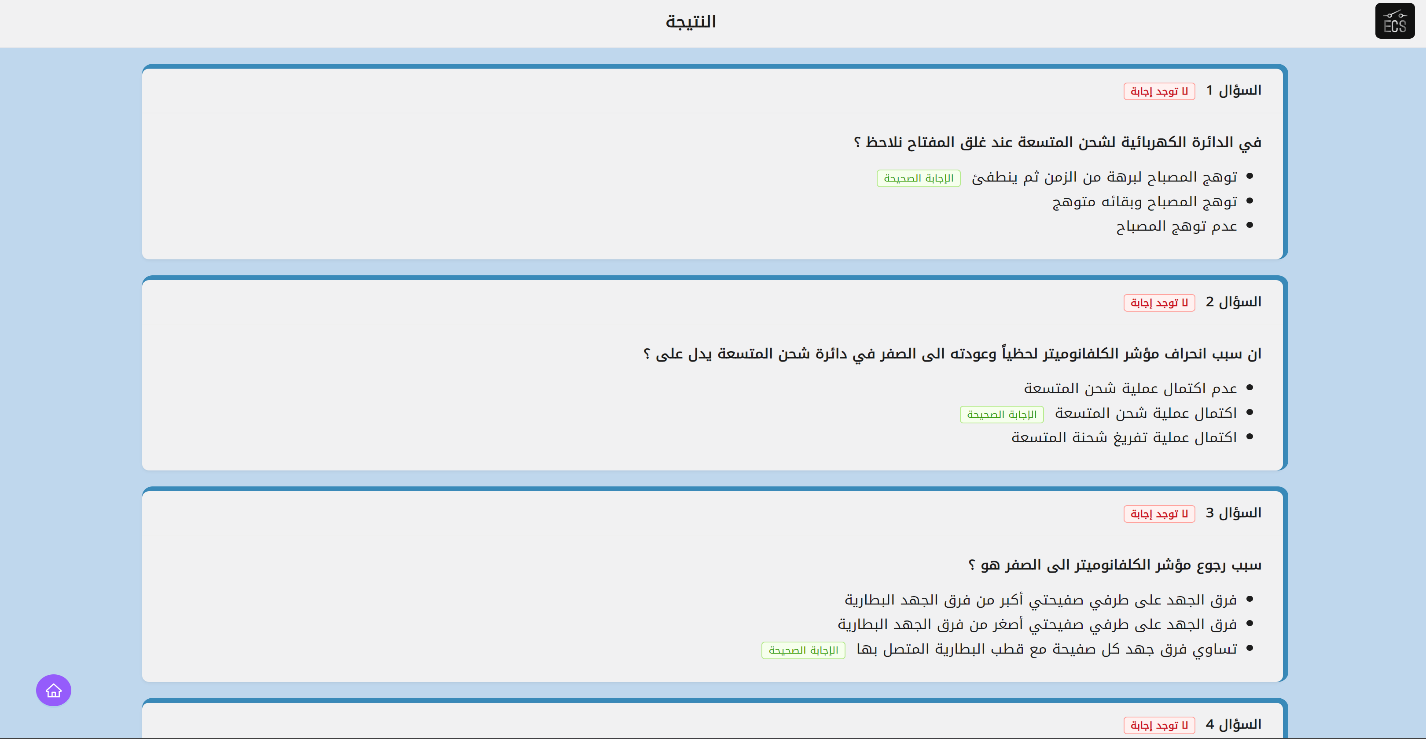
Figure 10: Test Page and Show the Answer
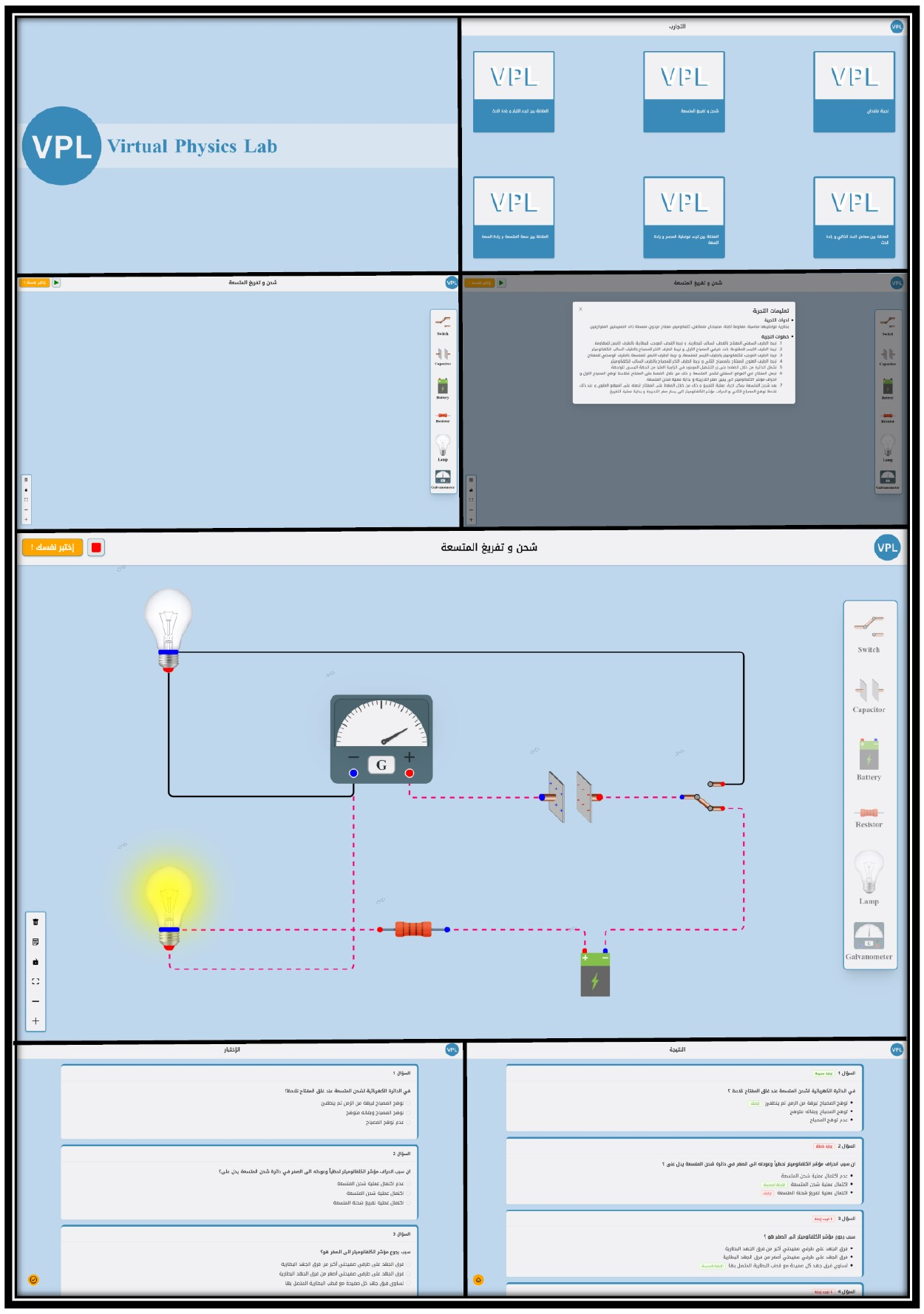
Figure (11) Interface for different interfaces of the electronic program
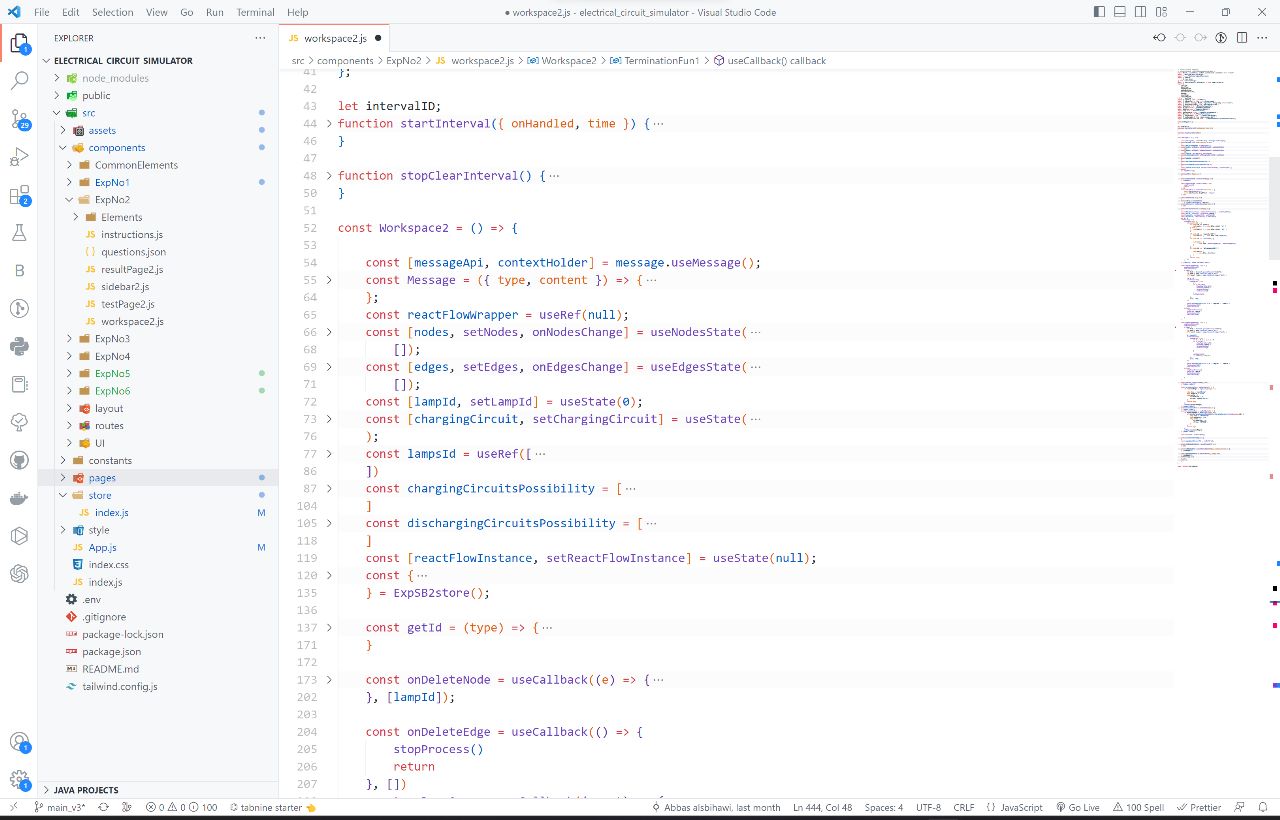
Figure 12: An Example of Javascript Code
The revised electronic program was then presented to expert reviewers, specialized in computer science, who provided their feedback and observations. Necessary adjustments were implemented based on the feedback from both the researcher and the reviewers.
Once the electronic program underwent thorough revisions and modifications, and the evaluation process was completed, the final version of the program was prepared. It was now ready for use and could be presented in its final form, as shown in Figure (11), showcasing different interfaces of the computerized program. With the completion of all design stages and testing processes, the program was now available for practical application in the learning environment, serving as a valuable tool to facilitate effective learning experiences in the field of physics for sixth-grade students.
Preparation of Accompanying Tests for the Program
Once the program was ready for final use, two types of pre-designed tests were applied, which were prepared before starting the program design:
Pre-test: This test is given to the students before starting the program to assess their level of knowledge and understanding of the subject matter
Post-test: This test is administered after the students have completed the program to evaluate their learning outcomes and the effectiveness of the program in achieving its educational objectives
Program Implementation:
The experiments were programmed, and the electronic program was developed using JavaScript, a high-level programming language widely used in web application and virtual laboratory development.
The virtual physics lab system was built using the ReactJS library to create dynamic user interfaces. The Tailwind library was utilized to customize and format the system's style, making it attractive and user-friendly. Additionally, the React Flow library was employed to build the workspace where the experiments are executed.
To enhance the appeal of the experiments, animation effects were added using the animate.css library, providing an enjoyable visual experience for users. The construction of the experiments relied on a set of mathematical relationships specific to each experiment, as shown in Figure (12) as an example of the code implementation.
This system allows users to experience physics experiments in a way that closely resembles reality, thanks to the clear and interactive visual interface developed using ReactJS and React Flow libraries. With this system, users can easily and accurately conduct experiments, exploring physics relationships and concepts interactively, in an enjoyable and safe manner. The system combines scientific accuracy, ease of use, and visual experimentation, effectively enhancing the understanding of physics concepts.



 Download PDF
 Download XML