Contents
Download PDF
pdf Download XML
1134 Views
105 Downloads
Share this article
Research Article | Volume 2 Issue 2 (July-Dec, 2021) | Pages 1 - 5
Assessment of Complications and Effects Resulting from Cholecystectomy
 ,
 ,
1
M.B.Ch.B, ABHS (General Surgery), Iraqi Ministry of Health and Environment, Department of Health Al-Anbar, AL-Ramadi Teaching Hospital, Al-Anbar, Iraq
2
M.B.Ch.B, Master (General Surgery), Iraqi Ministry of Health and Environment, Diyala Health Directorate, Baquba Teaching Hospital, Diyala, Iraq
3
M.B.Ch.B, F.I.C.M.S, (Community Medicine), Iraqi Ministry of Health and Environment, Baghdad Medical Office Al-Karkh, Al- Yarmouk Teaching Hospital, Baghdad, Iraq
Under a Creative Commons license
Open Access
Received
Aug. 11, 2021
Revised
Sept. 16, 2021
Accepted
Oct. 27, 2021
Published
Nov. 20, 2021
Abstract

The research focused on assessing complications and effects resulting from cholecystectomy, where 120 patients were collected from AL-Ramadi Teaching Hospital, Al-Anbar, Baquba Teaching Hospital Diyala and Al-Yarmouk Teaching Hospital, Baghdad, Iraq. It relied on surgical intervention through a laparoscopy for cholecystectomy. The results showed that the mortality rate due to elective cholecystectomy is low and ranges from 0 to 0.5%. The most common cause of death is pre-existing cardiovascular disease and therefore the importance of careful screening for cardiovascular disease symptoms before the operation cannot be underestimated; Any cardiac disease must be corrected before the cholecystectomy procedure and on the other hand, the post-operative infectious complications have been greatly reduced since prophylactic antibiotics are used during and after the operation as observed after laparoscopic cholecystectomy procedures, the average stay is two days; Some patients can be treated for two days, In addition, the rates of incisional hernias and wound sepsis are very low and the need for opioid analgesia is also very low.

Keywords
INTRODUCTION

Currently, Cholelithiasis (GSD) is one of the most common structural diseases of the male and female population aged 35-54 years, 4.7 and 8.3%, in the female population aged 25-64 years 10.5%. According to several authors, the prevalence of gallstone disease in different countries is 3-20%, in Iraq, 10-15% of the total population [1,2,3]. In this regard, over the past decade, there has been an increase in the number of surgical interventions and cholecystectomy and through studies, Scientific shows complications and mortality with LCE are much lower than with open surgery and for serious complications that appear directly during the intervention, most of the authors include extrahepatic bile duct injury, abdominal cavity organ damage, severe bleeding in the operation area and among the most common postoperative complications are Biliary peritonitis, bleeding and abdominal abscesses ]4,5].


The steady growth in recent years in the number of bile duct surgeries, which began to be performed in many surgical hospitals on a planned and emergency basis, is a result of the increased incidence of cholelithiasis. In addition to surgical activity, the incidence of errors and complications has increased [6,17,19].


Many errors and complications that appear in bile duct surgery can be prevented, insufficient surgical access, the inexperience of the surgeon in performing operations on the bile duct, ignorance of the main options and possible abnormalities of important anatomical structures and all this can cause the development of serious and sometimes fatal complications ]7,8,9].


Cholecystectomy is a rescue operation for a patient that can be very dangerous. Many unsatisfactory outcomes after acute cholecystitis operations are associated with intraoperative technical errors due to pronounced inflammatory changes in the hepatoduodenal ligament or variation in the bile duct structure. In this regard, it is never possible to predict whether the operation will be simple or too difficult.


That such complications cost the patient his life. According to several authors, the outflow of blood and bile into the free abdominal cavity is observed in 0.2-14% of patients undergoing cholecystectomy. In 3.4% of cases, it leads to death. According to other data, this complication is the cause of early laparotomy in 0.7-3.9% of patients [10,11,12].


The most common: Rupture or damage to the cystic artery, intraoperative damage to the cystic duct, the opening of the duodenum or colon, leakage of bile and blood into the abdominal cavity, leaving stones in the bile ducts and a long trunk of the cystic duct, incomplete cholecystectomy, etc. The bile ducts cause the development of acute cholangitis and obstructive jaundice after surgery [13,14,15].


Infection of blood and bile flowing into the free abdominal cavity also leads to frequent interventions, occurring in 8% of patients who underwent cholecystectomy [18].

MATERIALS AND METHODS

AL-Ramadi Teaching Hospital, Al-Anbar, Baquba Teaching Hospital Diyala and Al-Yarmouk Teaching Hospital, Baghdad, Iraq. have been relied upon to conduct all necessary analyses and required tests.


The research aims to Assessment of complications and effects resulting from cholecystectomy.


One hundred twenty patients were collected and the study was conducted between 20 March 2020 to February 2021, where the principle of surgery was based on the cataract. Information was collected through Clinical records.


Variables are registered Demographic, surgical and bleeding time during the process, conversion to the open approach and morbidity and mortality after surgery.


In addition, the patient is given appropriate antibiotics before the surgery to reduce local inflammation and thus reduce the possibility of infection after the operation. Bilirubin in the blood and to perform some imaging tests, such as a picture of the abdomen to exclude the presence of perforation in the gallbladder, examination of the biliary tract using ultrasound, examination of the bile duct using radioisotopes and computerized tomography and Laparoscopic cholecystectomy surgery is characterized by being less invasive and less painful, which allows the patient to move in a short time after surgery. The incisions are negligible compared to routine surgery, limiting complications and reducing their chance of occurrence.

RESULTS

It was also mentioned previously that the number of patients who underwent a cholecystectomy was 120 from AL-Ramadi Teaching Hospital, Al-Anbar, Baquba Teaching Hospital Diyala and Al-Yarmouk Teaching Hospital, Baghdad, Iraq.


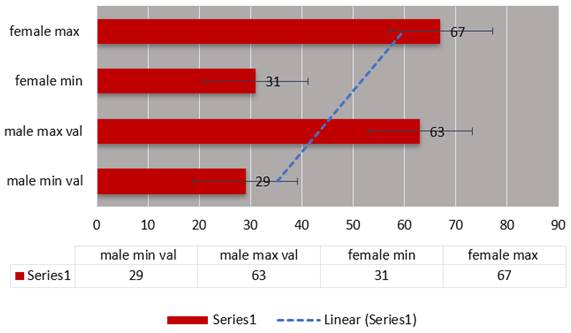
All demographic information about patients was limited in terms of age and gender (Figure 1). The ages were between 25 to 67, as for weights, where the accuracy of a healthy weight was known, equal to 27% of total patients.


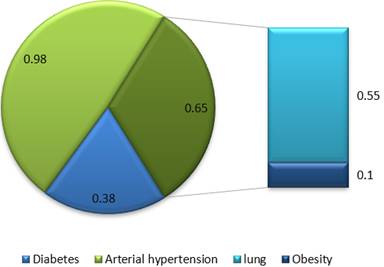
The presence of comorbidities was found in most patients. The largest percentage was Arterial hypertension, which was 50 patients out of 120 and the lowest percentage was represented by chronic lung disease, which was in 20 patients (Table 1). No statistical significance was found among them, where the percentage was greater than 0. 05 (Figure 2).


Table 1: Examination of comorbidities.

fr

Diabetes

45

Arterial hypertension

50

lung

20

Obesity

44


Figure 1: Mean and SD Age of the Patient

Figure 2: p-value of Comorbidities


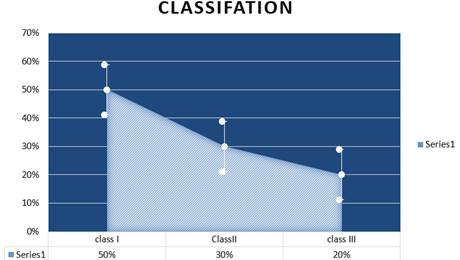
Figure 3: Surgical Risks


Table 2: Process Specification Results

P

Type

Morbidity

10

4.5%

restore

2

---

Time of operation 

22

45-140 m


Table 3: Stay in Hospital

days

N

1

70

2

30

3

17

4

3


Table 3: Results in Complications of Cholecystectomy

T

Number of patients 

Bleeding after surgery

2

Atelectasis

2

A sterile set of subcutaneous fluids (seroma)

3

Infections at the surgical site

3

Biliary fistula

1

Coledocolitiasis residual

2

Post incisional hernia

1

Diarrhea after surgery

1

Total 

15 P


Table 4: Correlation by SPSS25 Explains the Effect of the Laparoscopic Operation with Complications

Correlations
 LaparoscopicComplications
laparoscopicSpearman's rho Correlation10.184
Sig. (2-tailed) 0.436
N12015


Complications

Spearman's rho Correlation0.1841
Sig. (2-tailed)0.436 
N15120


Serious complications from laparoscopic cholecystectomy are uncommon. All types of surgeries are associated with a certain degree of risk and these risks must be fully explained to the patient to make an informed decision. The risks are both associated with the anesthesia and the surgery itself (Figure 3 and Tables 2-5):


  • There is a small risk of bile duct injury

  • Injury to internal organs

  • Major vascular injury

  • There is a small risk of bleeding, infection and hernia formation

  • If there are stones in the bile duct, there is a slight chance that further procedures will be needed


The chances of this happening are higher in complicated cases and patients who have had surgery on the lower abdomen.

DISCUSSION

As previously mentioned, that 120 patients were collected from AL-Ramadi Teaching Hospital, Al-Anbar, Baquba Teaching Hospital Diyala and Al-Yarmouk Teaching Hospital, Baghdad, Iraq.


The average age by recording the demographic information of the patients ranged between 29-67 years, where a full examination was conducted to the patients and comorbidities were also identified, which recorded an increase in Arterial hypertension by 50 patients. When the value of p-value, it was observed that the function is non-statistic with a value of 0.98


This means that the presence of gallstones alone can expose a person to heart disease without the presence of these factors. These results support previous studies that reached the same truth and the study did not reach a specific reason behind this link. Still, some mechanisms may stand behind this, including the effect of the formation of stones in the secretion of bile acid, which previous studies have found is linked to exposure to cardiovascular diseases.


The following complications were also observed after the operation. It is evident with bleeding - it can occur during any operation. With elective cholecystectomy, the risk is small, which was recorded by 2 patients and for diarrhea after surgery, 1 patient was recorded.


Opinions differ on the reasons for their appearance; most experts assign the leading role to the absence of reservoir function in the gallbladder with insufficient reabsorption of the constantly flowing bile. It enters the large intestine in a larger amount than usual, which causes diarrhea. I must say that with gallstone disease, the function of the bladder is already impaired and some patients complain of diarrhea even before the operation.


Very different data on the frequency of these symptoms, from 1 to 15%. Most studies say in my practice, it is much less. Still, the reliability of personal observations, as you know, is low, bile acid barriers (cholestyramine) will help to cope with diarrhea and sometimes you have to prescribe loperamide. In the vast majority of cases, diarrhea goes away quickly.


Our complication rate of 8.5% is not comparable, due to the lack of standardization between them Various studies The truth is the importance of surgical wound infection as the main wound complication, it is worth highlighting the absence of infection and bile ducts are considered one of the disasters in this procedure, which is observed in almost all important studies in the world.


But we can say that our mortality rate is very low; if one takes into when comparing open surgery, there were figures as high as 1.5%, as demonstrated by Morgenstern, who published a series of 1200 open cholecystectomy operations with a mortality rate of 1.8%


In addition, we believe that with this effort, we were able to achieve our results with a very frequent procedure in a surgical surgeon's practice, which is where we are now in various standards at the international group levels, that we have excellent behavior in terms of biliary lesions.


CONCLUSION

The operation time is rather short and the technology that has brought the greatest innovation in surgery, specifically in the treatment of cholelithiasis, has become the preferred technique. Among the benefits of the laparoscopic technique and the aesthetic aspect, there is a noticeable reduction in the time healing, resulting in the hospital stay and the patient's inability to work. Some studies showed a significant increase in weight after 6 months of cholecystectomy for men and women and the increase for men was 4.6% of their total weight and for women, 3.3% of their weight.

REFERENCES
  1. Schirmer, B.D. et al. "Cholelithiasis and cholecystitis." Journal of Long-Term Effects of Medical Implants, vol. 15, no. 3, 2005.

  2. Cuschieri, A. "Approach to the treatment of acute cholecystitis: open surgical, laparoscopic or endoscopic?" Endoscopy, vol. 25, no. 6, 1993, pp. 397–98.

  3. Terho, P.M. et al. "Laparoscopic cholecystectomy for acute calculous cholecystitis: a retrospective study assessing risk factors for conversion and complications." World Journal of Emergency Surgery, vol. 11, no. 1, 2016, pp. 1–9.

  4. Hirota, M. et al. "Diagnostic criteria and severity assessment of acute cholecystitis: Tokyo Guidelines." Journal of Hepato-Biliary-Pancreatic Surgery, vol. 14, no. 1, 2007, pp. 78–82.

  5. Tsuyuguchi, T. et al. "Techniques of biliary drainage for acute cholecystitis: Tokyo Guidelines." Journal of Hepato-Biliary-Pancreatic Surgery, vol. 14, no. 1, 2007, p. 46.

  6. Yamashita, Y. et al. "A survey of the timing and approach to the surgical management of patients with acute cholecystitis in Japanese hospitals." Journal of Hepato-Biliary-Pancreatic Surgery, vol. 13, no. 5, 2006, pp. 409–15.

  7. Ito, K. et al. "Percutaneous cholecystostomy versus gallbladder aspiration for acute cholecystitis: A prospective randomized controlled trial." American Journal of Roentgenology, vol. 183, no. 1, 2004, pp. 193–96.

  8. Wang, Y.C. et al. "Urgent laparoscopic cholecystectomy in the management of acute cholecystitis: timing does not influence conversion rate." Surgical Endoscopy and Other Interventional Techniques, vol. 20, no. 5, 2006, pp. 806–08.

  9. Lau, H. et al. "Early versus delayed-interval laparoscopic cholecystectomy for acute cholecystitis." Surgical Endoscopy and Other Interventional Techniques, vol. 20, no. 1, 2006, pp. 82–87.

  10. Johannsen, E.C. et al. "Epstein-Barr virus (infectious mononucleosis)." Principles and Practice of Infectious Diseases, edited by G.L. Mandell, J.E. Bennett and R. Dolin, 2005.

  11. Gurusamy, K. et al. "Meta-analysis of randomized controlled trials on early versus delayed laparoscopic cholecystectomy safety and effectiveness for acute cholecystitis." Journal of British Surgery, vol. 97, no. 2, 2010, pp. 141–50.

  12. Schmidt, S.C. et al. "Long-term results and risk factors influencing the outcome of major bile duct injuries following cholecystectomy." Journal of British Surgery, vol. 92, no. 1, 2005, pp. 76–82.

  13. Moore, D.E. et al. "The long-term detrimental effect of bile duct injury on health-related quality of life." Archives of Surgery, vol. 139, no. 5, 2004, pp. 476–82.

  14. Papi, C. et al. "Timing of cholecystectomy for acute calculous cholecystitis: A meta-analysis." Official Journal of the American College of Gastroenterology (ACG), vol. 99, no. 1, 2004, pp. 147–55.

  15. Bhattacharya, D. and B.J. Ammori. "Contemporary minimally invasive approaches to the management of acute cholecystitis: a review and appraisal." Surgical Laparoscopy Endoscopy & Percutaneous Techniques, vol. 15, no. 1, 2005, pp. 1–8.

  16. Condilis, N. et al. "Acute cholecystitis: when is the best time for laparoscopic cholecystectomy?" Annali Italiani di Chirurgia, vol. 79, no. 1, 2008, p. 23.

  17. Ohta, M. et al. "Operative timing of laparoscopic cholecystectomy for acute cholecystitis in a Japanese institute." JSLS: Journal of the Society of Laparoendoscopic Surgeons, vol. 16, no. 1, 2012, p. 65.

  18. Pessaux, P. et al. "Laparoscopic cholecystectomy in acute cholecystitis." Surgical Endoscopy, vol. 14, no. 4, 2000, pp. 358–61.

  19. Al-Mulhim, A.A. "Timing of early laparoscopic cholecystectomy for acute cholecystitis." JSLS: Journal of the Society of Laparoendoscopic Surgeons, vol. 12, no. 3, 2008, p. 282.
License
CC BY-NC-ND
Creative Commons Attribution-NonCommercial-NoDerivatives 4.0 International License
Assessment of Complications and Effects Resulting from Cholecystectomy © 2026 by Mohammed Hammad Shihab, Ahmed Rfa'at Ali, Baydaa Sahib Mohammed licensed under CC BY-NC-ND 4.0
All papers should be submitted electronically. All submitted manuscripts must be original work that is not under submission at another journal or under consideration for publication in another form, such as a monograph or chapter of a book. Authors of submitted papers are obligated not to submit their paper for publication elsewhere until an editorial decision is rendered on their submission. Further, authors of accepted papers are prohibited from publishing the results in other publications that appear before the paper is published in the Journal unless they receive approval for doing so from the Editor-In-Chief.
Himalayan Journal of Medicine and Surgery open access articles are licensed under a Creative Commons Attribution-Share A like 4.0 International License. This license lets the audience to give appropriate credit, provide a link to the license, and indicate if changes were made and if they remix, transform, or build upon the material, they must distribute contributions under the same license as the original.
Recommended Articles
Research Article
Phenotypic Characterization and Antimicrobial Resistance Patterns of Clinical Klebsiella pneumoniae Isolates from Al-Najaf Teaching Hospital
Published: 30/06/2026
Download PDF
Research Article
Impact of Gut-Liver Axis: Hepatic Biochemical and Metabolic Changes Associated with Chronic Gastritis in Iraqi Patients with Helicobacter Pylori
Published: 20/02/2026
Download PDF
Research Article
Effect of Land Degradation on Livelihood
Published: 04/01/2024
Download PDF
Research Article
Awareness and Practices among Professional Healthcare Workers towards COVID-19 in Iraq
...
Published: 30/03/2024
Download PDF
Flowbite Logo
Najmal Complex,
Opposite Farwaniya,
Kuwait.
Email: support@himjournals.com

Useful Links
Order Hard Copy
Privacy policy
Terms and Conditions
Refund Policy
Others
About Us
Team Members
Contact Us
Online Payments
Join as Editor
Join as Reviewer
Subscribe to our Newsletter
Follow us
MOST SEARCHED KEYWORDS
scientific journal
 | 
business journal
 | 
medical journals
 | 
Scientific Journals
 | 
Academic Publisher
 | 
Peer-reviewed Journals
 | 
Open Access Journals
 | 
Impact Factor
 | 
Indexing Services
 | 
Journal Citation Reports
 | 
Publication Process
 | 
Impact factor of journals
 | 
Finding reputable journals for publication
 | 
Submitting a manuscript for publication
 | 
Copyright and licensing of published papers
 | 
Writing an abstract for a research paper
 | 
Manuscript formatting guidelines
 | 
Promoting published research
 | 
Publication in high-impact journals
Copyright © Himalayan Journals . All Rights Reserved.