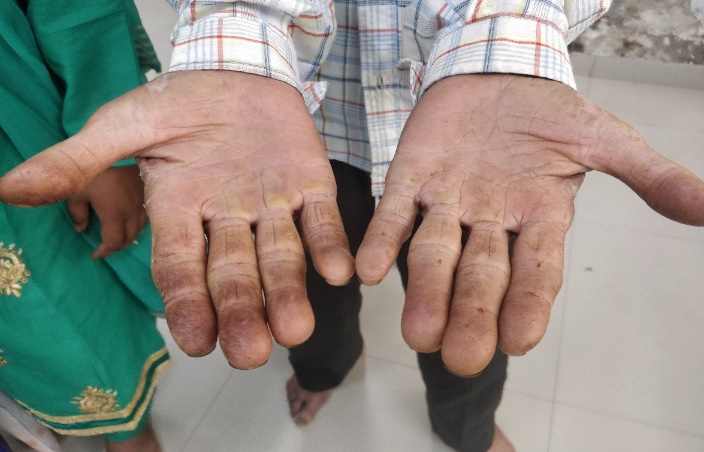
Dermatologic toxicity is a well-known adverse effect of different cytotoxic chemotherapy drugs [1]. Palmar–plantar erythrodysesthesia, also known as Hand–Foot Syndrome (HFS), is a dermatologic condition which often presents as painful erythemas involving the palms and soles of the feet [2]. Conventional chemotherapeutic agents most frequently associated with HFS include capecitabine, cytarabine, fluorouracil, liposomal doxorubicin and taxanes. Common theory linked to histological findings is a direct cytotoxic effect exerted on the basal keratinocytes by the chemotherapeutic agent [2]. We observed a series of patients experiencing dermatologic reactions after administration of docetaxel in combination with cyclophosphamide, Adriamycin, cisplatin, 5FU for the treatment of breast cancer and head and neck cancers.
Case 1
A 35-year-old female with T2N0MO, Triple Negative Breast Cancer (TIBC) was started on TAC (docetaxel, Adriamycin, cyclophosphamide) based chemotherapy. After receiving 3 cycles she developed itchy rash on her hands, feet neck and face. It was painful with erythema, hyperpigmentation and desquamation of the dorsal aspects of the hands and feet. Docetaxel was thought to be the most likely offending agent; a 20% dose reduction of docetaxel was done for the remaining cycles. The rash continued to persist, but decreased in severity after dose reduction. Following the completion her therapy, the rash did not recur and she is currently on follow up without any dermatologic issues (Figure 1).
Case 2
A 65-year-old female T3NIMO ER+ PR+ HER2NEU- ca breast received 4 cycles of epirubicin and cyclophosphamide followed by 2 cycles od docetaxel-based chemotherapy. After receiving 2 cycles, she presented with erythematous rashes on the dorsal and palmer aspect of both hands with small red papules and some desquamation. Her chemotherapy was continued without any delay or dose adjustments. The rash appeared after each subsequent cycle and resolved spontaneously after 1 week with the use of emollient creams. Following the completion of chemotherapy, the rash did not recur and she is currently undergoing local radiotherapy without any dermatologic issues (Figure 2).
Case 3
A 53-year-old male patient with T1N0MO ER+ PR+ HER2NEU-ca breast received 4 cycles of epirubicin and cyclophosphamide-based chemotherapy followed by 1 cycle of docetaxel-based chemotherapy.
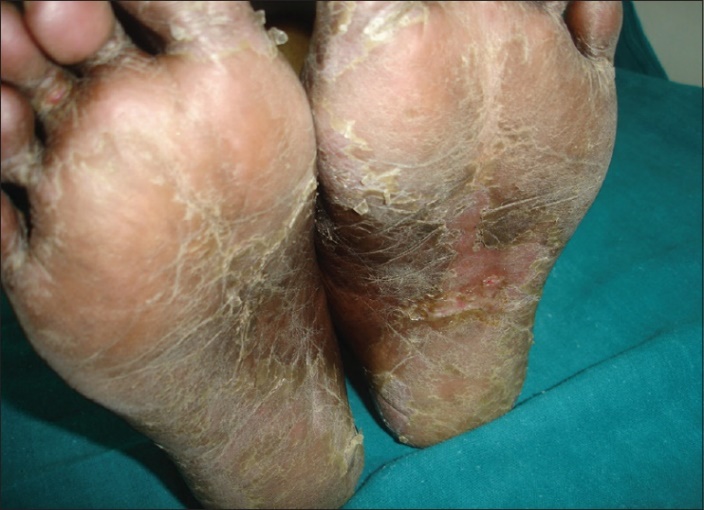
Figure 1:
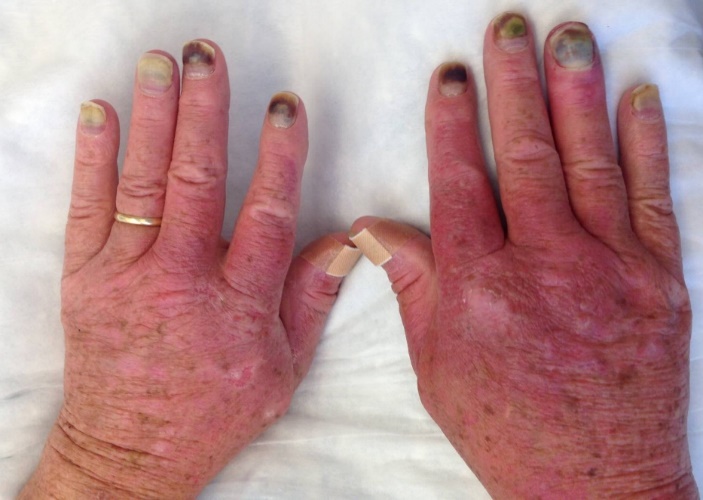
Figure 2:
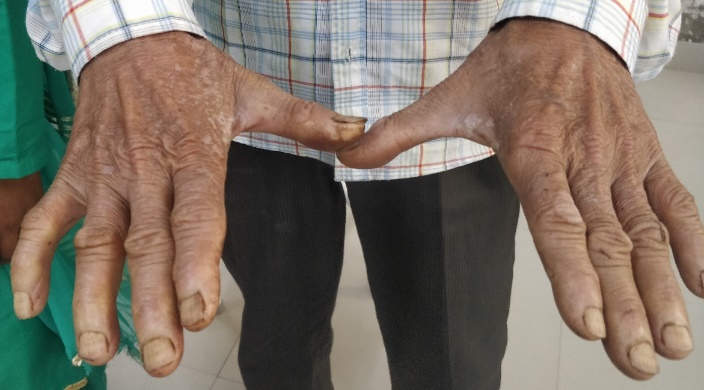
Figure 3:
He developed erythematous rashes with desquamation on the dorsal and palmer surface of his hands. He also complained of a painful burning sensation on the affected area. Docetaxel was continued at full dose till cycle 4. He is currently on follow up with no dermatologic issues (Figure 3,4).


 Download PDF
 Download XML